
 E-Paper



HT reviewer Samrat Choudhury picks his favourite reads of 2022
About 10 years ago, out looking for a good cup of South Indian filter coffee in the Mumbai neighbourhood of Matunga, I stopped by to browse through some old books heaped up in front of a pavement bookseller

 Prefer HTon Google


About 10 years ago, out looking for a good cup of South Indian filter coffee in the Mumbai neighbourhood of Matunga, I stopped by to browse through some old books heaped up in front of a pavement bookseller. What else I bought that day, I have no recollection of, but one book I picked up that day has been a constant companion since. Although I read many excellent books this year, it remains my pick for the best book I read – or rather, re-read – in 2022, for its piercing insights, its wit, and its abundant wisdom.
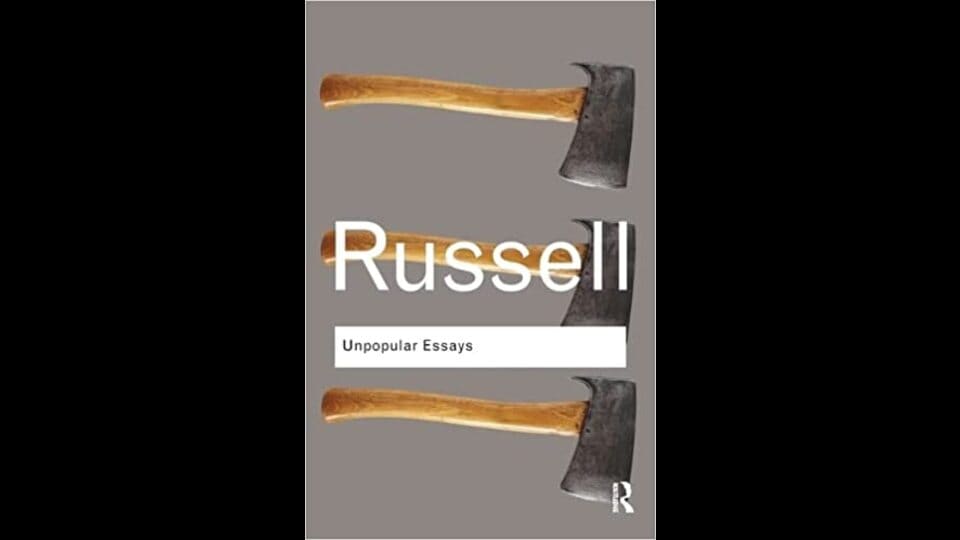
In his preface to the slim volume, the author, the philosopher and mathematician Bertrand Russell, wrote, “Most of the following essays, which were written at various times during the last 15 years, are concerned to combat, in one way or another, the growth of dogmatism, whether of the Right or of the Left, which has hitherto characterized our tragic century.” The book, Unpopular Essays, was published in 1950, the year Russell won his Nobel Prize for literature in recognition of his writings championing humanitarian ideals and freedom of thought.
Like all the best writing, it has withstood the test of time. Many of the statements that Russell made then seem shockingly timely now, a minimum of 72 years later. “Dogmatism”, wrote Russell, “is an enemy to peace, and an insuperable barrier to democracy. In the present age, at least as much as in former times, it is the greatest of the mental obstacles to human happiness”. The philosopher and logician concluded, very logically, that so long as people “are not trained to withhold judgment in the absence of evidence, they will be led astray by cocksure prophets, and it is likely that their leaders will be either ignorant fanatics or dishonest charlatans.”
“The power of governments over belief in the present day is vastly greater than at any earlier time,” Russell had noted then, shortly after World War II. “A belief, however untrue, is important when it dominates the actions of large masses of men”. He was concerned then that governments would use the power to produce populations of “fanatical lunatics”. The power could also be used to produce a population of sane and reasonable people, Russell wrote, “but many governments do not wish to do so since such people would fail to admire the politicians who are at the head of these governments”.
Thanks to television, internet and social media, the power of organisations to mould people’s beliefs has grown exponentially since then. Small wonder, then, that politicians greatly admired by fanatical lunatics have lately been leading so many governments around the world.
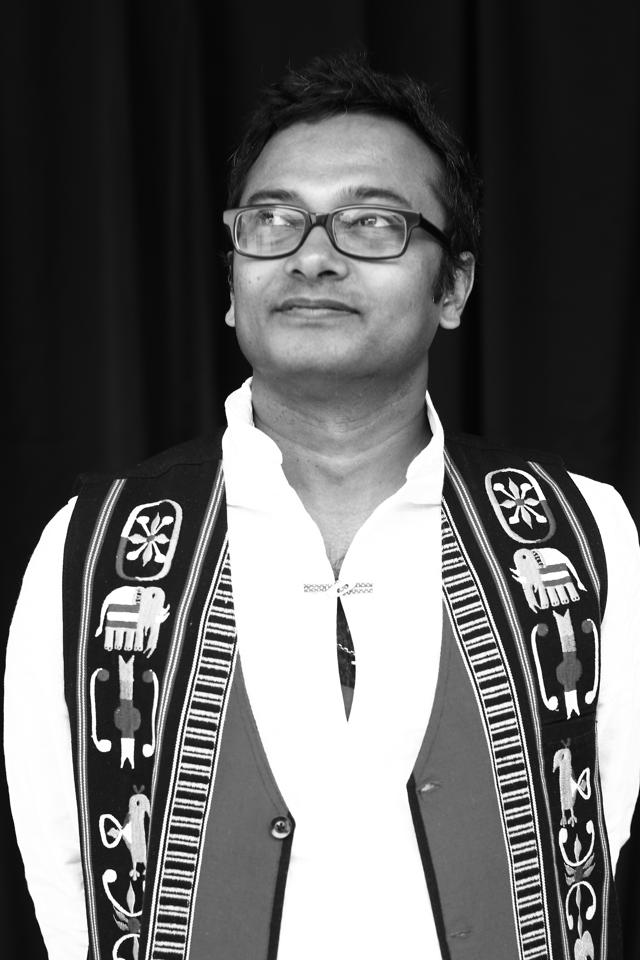
Samrat Choudhury is an author and journalist. His most recent book is The Braided River: A Journey Along the Brahmaputra


