
 E-Paper



Interview: Vijay Maurya, screenwriter: ‘Cinema needs talent and temperament’
The writer of Gully Boy, Tumhari Sulu and Chillar Party, among others, talks about the intricacies of dialogue writing, and why writers should subdue their egos

 Prefer HTon Google


What’s the first thing you ever wrote in life?

Well, that was a really long time ago! I grew up around the Hindi language. Even at home, we used to speak a lot of Hindi. In my early days, I used to think that anything that rhymes is poetry. And I used to write something that combined poetry and prose. It was mostly stuff full of what I thought was wrong with the world. I used to write pollution-population-save-nature kind of stuff. Then college started. By mistake, I am a science graduate. In our college magazine, I wrote a piece called Nasoor (Cancer). It was the first time I saw my name in print and it felt amazing. I read that piece over and over again. However, I didn’t keep writing regularly after that. I lurked around backstage during college plays, sometime wrote lines about sun-moon, flowers and stuff but nothing serious.
How did you then foray into writing as a career?
After college, I did some odd jobs at Citi Bank, then at a teak wood plantation company. I was just going with whatever was happening to me. I wasn’t really myself in a marketing company, wearing a tie, selling Diner’s Cards, Master Cards, etc. This spoilt my mood. Somehow, one day, a loose contact I made at my job, who had played character roles in some films, recommended that I go to Prithvi Theatre after I told him about my interest in acting and theatre. At that time, I didn’t even know what Prithvi Theatre was! Then, one day in 1993, all alone, I went to Juhu beach, threw my tie and the sales brochures I used to carry into the sea and then just showed up at Prithvi, which is a walk away from the beach. As soon as I entered the premises, I saw a slightly dejected guy, who had just had an earful from a director, sitting there. When he saw me, he said, “Hi, I am Anurag Singh Kashyap.” I said, “Hi, I am Vijay Maurya.” He asked me what I do. I said, “Currently, nothing.” Then we got talking. He told me that workshops were conducted at Prithvi every Monday and that anyone could join for free.
The following Monday, I dressed up, wore some perfume and reached there. It felt like a market. I saw many people my age, some talking to each other, some rehearsing some dialogue in various languages: Hindi, Marathi, Gujarati. Whatever they were saying sounded great to me. Some were reading poetry, some prose. I loved the atmosphere.
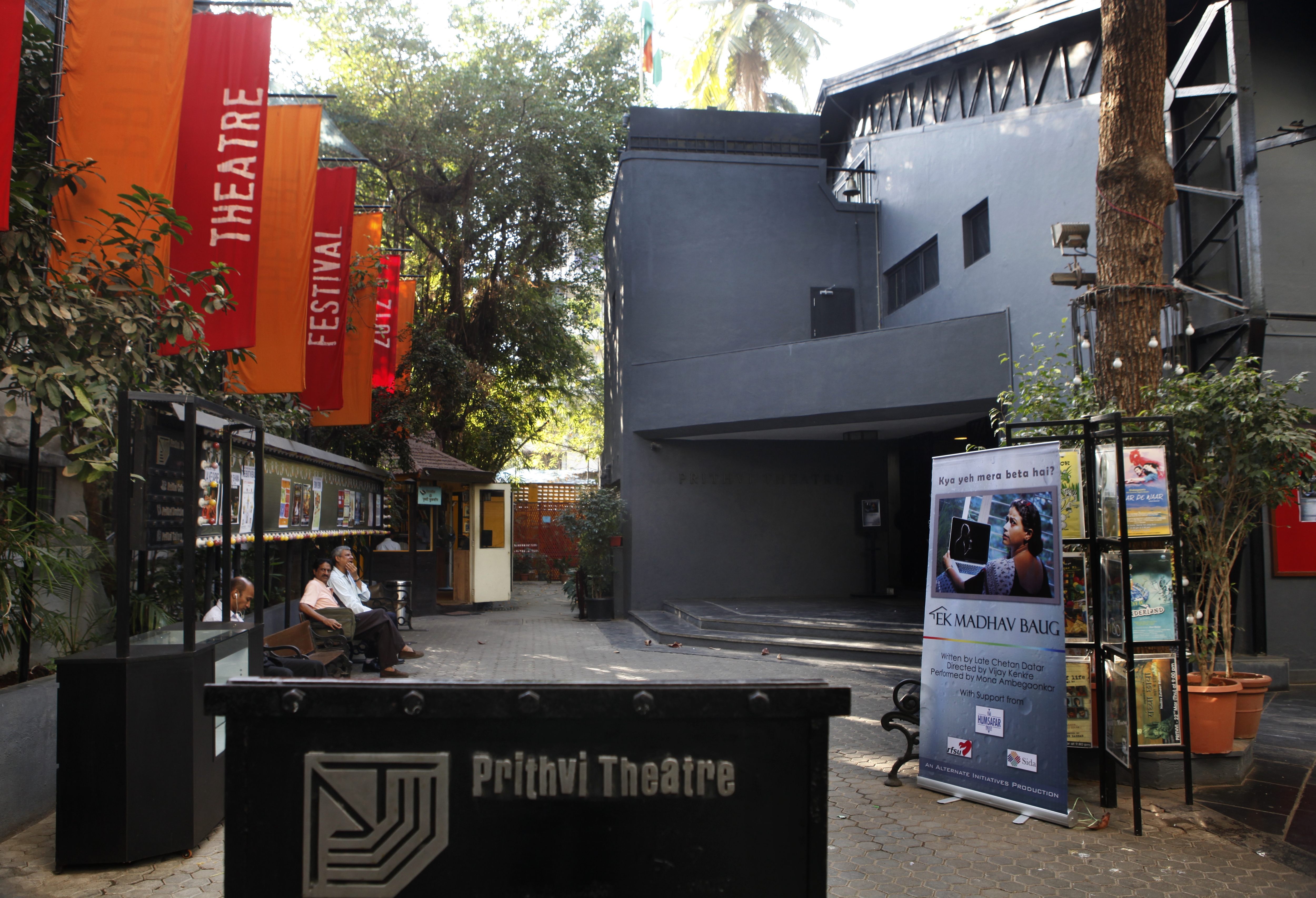
Hidayat Sami and Inayat Sami, two students of the late Pandit Satyadev Dubey were conducting the workshops. Dubeyji was a concept for me. Everyone was talking about him with great respect. Having gone there from another world, at the time, I did not know who he was. But then I became a regular and started having a lot of fun there. Then I met Makrand Deshpande and many others. People there were awakening the artist within themselves. That was when I developed a taste for words.
I read Aadhe Adhure by Mohan Rakesh, the writings of Tendulkar sahab (Vijay Tendulkar) and even Kalidas. I began writing seriously. Some people used to ask me to write a one-minute-long monologue or dialogue or anything that they needed. Once I wrote something called One Minute. It was about what could happen in a minute. I wrote something like “If your mother has slept with another man, who your father is could be decided in one minute.” I was trying to be an actor. But the director said, “I don’t know about your acting but we should talk if you have really written this!”
My family was completely okay with my doing this because there was always an artistic environment in my house. My father was into music, he used to sing qawwali and even played the dafli.
Then, in the next couple of years, I met Vipul Amritlal Shah, who made the film Aankhen. He asked me if I would write a TV show for him. That’s when I started writing Ek Mahal Ho Sapno Ka. I used to get 750 rupees per episode.
What are the qualities or experiences that make you the writer you are?
Primarily, observation. I always used to observe a lot. I still do. I grew up in a chawl in Goregaon, where you see a lot of different characters together. We celebrated all the festivals - Diwali, Rakshabandhan, Ganpati, even Nagpanchami. We flew kites, played with marbles. The fights over tap water, carrying rent receipts to people, I have seen it all. Among so many different people were so many different dialects. So I understood characters from an early age, the way different people talk, in different languages like Hindi, Marathi, Gujarati.
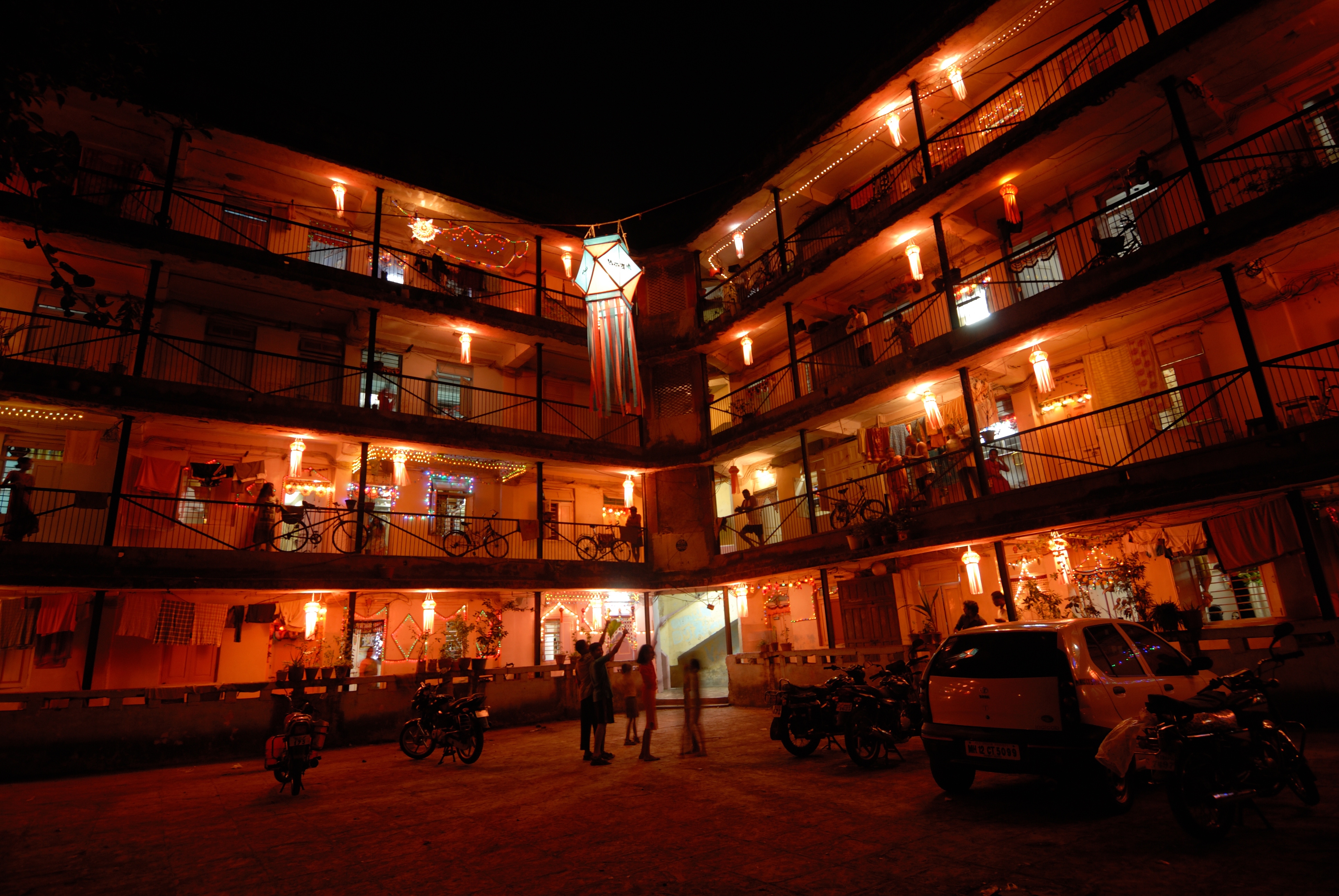
Besides, I was always in the habit of speaking to people on the streets, rickshawala, paanwalas. All this helped me a lot with character sketches and dialogue when I started writing professionally. In Hindi films, back in the day, a lot of the dialogue used to be presented and not how it is naturally spoken. Because of my life experience, I had a sense of natural dialogue.
How did film writing begin?
I wrote a lot of television after Ek Mahal Ho Sapno Ka. Then I wrote so many shows, some song-based shows like Superhit Muqabla, Lux Kya Scene Hai, also Starbestsellers. Television involves a lot of writing and I could write very fast. I used to follow one thread of thought or one character and write countless scenes in very little time. That was when I was also looking for acting assignments. I acted in Anurag’s (Kashyap) Paanch but it was never released; same with Black Friday. Then I played a role in Imtiaz’s (Ali) Socha Na Tha. I had a good role in Sudhir Mishra’s Tera Kya Hoga Johnny but that didn’t release either. A lot of acting work was happening but nothing was getting released. Those were extremely frustrating days. For about seven years, I had no work. Many of my actor friends quit the industry. Someone lost his mind; someone set up a shop; someone joined production; someone got married and picked up a job. But I didn’t want to leave. That’s not why I was here. That’s when I went back to writing. I used to pick up any writing work for survival.
I started writing advertising projects too. The good part of advertising is that you get paid well and usually on time. Unlike in Hindi films, it won’t happen that today a place is a studio and the next day you go there, you find a salon. Advertising was reliable work that helped me stay afloat. I worked closely with the director Rajesh Krishnan, who once gave me an Apple laptop instead of paying me for a job and introduced me to the world of the internet and email. This must be around the early 2000s.
Slowly, a lot of people started knowing that I wrote. The first film I ever wrote was Striker. Chandan Arora was a reputed editor at that time. I had met him in my Prithvi days where he used to come to meet Makrand Deshpande. He was going to direct a film and he asked me if I’d write it for him. Chandan and I went to Goa to the write the film and we came back with a draft. Then Sagar (Kapoor) got involved in the writing and then Pankaj (Saraswat) came with him. The process took time. It took around two years from writing the first draft to the time the film got made.
Then I assisted Shoojit Sen, who had written Saranash, Prahar, Hum Hai Rahi Pyaar Ke. I learnt a lot about the craft of film writing from him. Then, Ashutosh Gowarikar called me to write Khele Hum Jee Jaan Sey. Sometime later, I wrote Harshvardhan Kulkarni’s Hunter. And slowly from dialogue, I started writing screenplays as well. After that, people started calling me a bit more regularly for writing work.
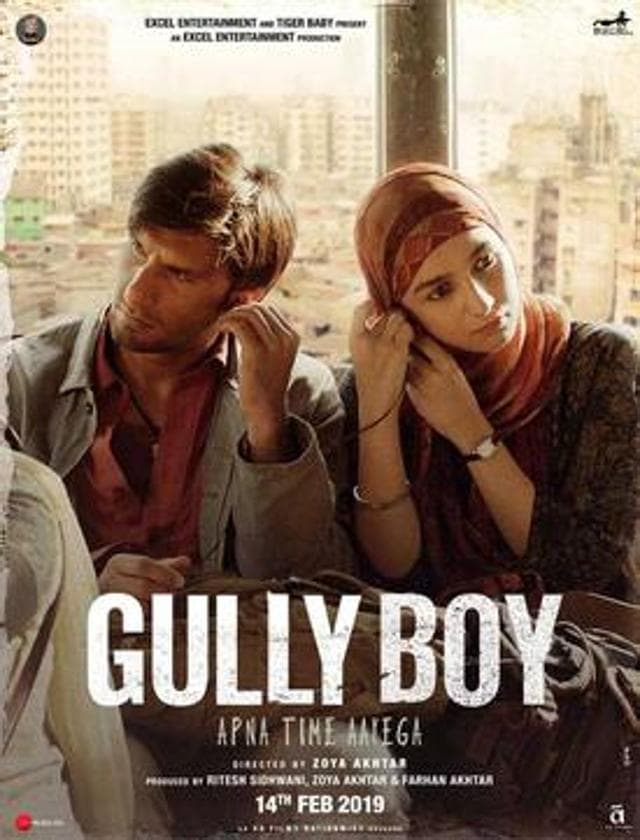
Gully Boy won you a Filmfare Award for Best Dialogue. Tell me about the craft of dialogue writing.
There are two-three aspects to dialogue writing. If you are writing for a director who has already envisioned the world of the film, then they give you a basic brief. For instance, a director might tell you not to use swear words, not to be crude. Another might want exactly the opposite. Of course, since I am writing it, I will bring in my own flavour. But in this scenario, the world is the director’s.
Dialogue writing is unique. If you consider the case of Gully Boy, Zoya (Akhtar) and Reema (Kagti) are themselves phenomenal writers. But the Gully Boy lingo is not theirs. That’s why I got into the scene. They needed a local boy who would get that specific dialect. Their brief to me was to be authentic with the slum dialect but to not use swear words because that might have restricted the reach of the film. It was a very clean brief. Then I underwent a sample writing test. After three scenes, I was through and they loved it so much that they gave me a free hand from then on.
I think there are some people whose work has taught me dialogue writing. Anurag (Kashyap) is a great dialogue writer. The way he weaves in the philosophical with the local is superb. Then, Imtiaz Ali, who I was fortunate to work with earlier, Sudhir Mishra, Shriram Raghavan, these guys never did dialoguebaazi on paper; they wrote real dialogue, the way people speak. You could say that these were, in a way, my mentors in dialogue writing. Being around people like them and their work influenced me a lot in my early days.
How often have you faced rejections? How did you take them?
Rejections happen every day. One happened even today. I try to understand why it happened, though. I try to understand if I am on the same page with the person I am working with. What can I do to get on the same page? You must learn from there. Luckily, these days, people listen to me more than before. So I’d say my rejection rate has decreased. That feels nice. But at the same time, the challenge is bigger when people trust you. Today, I am very careful that what I am sending out really works; earlier, I used to send whatever I wrote because I knew the other person was going to come up with feedback and changes anyway.
You have been in the industry since the 1990s. At what point did you realise that you had succeeded?
I think Tumhari Sulu was the first time when I felt that my struggle was over. I started getting some calls. And I also started getting the feeling that I can actually enjoy myself here in this industry, that writing is indeed rewarding. When Gully Boy happened, I felt something else. Gully Boy was that one film in my life which changed a lot of things for me. Earlier, friends and people in the circle used to call me to write something. After Gully Boy, professional studios started contacting me. People’s approach towards me changed. I could tell that the person who was talking to me about writing was really serious about the project. Soon after Gully Boy, when the lockdown happened, I worked on around seven to eight projects. Interestingly, I think I was busier during the lockdown than I ever was before. For some writers, lockdown was a time when they could be very productive.
You have also co-written with others. How do you go about that? Is it more enjoyable than writing alone?
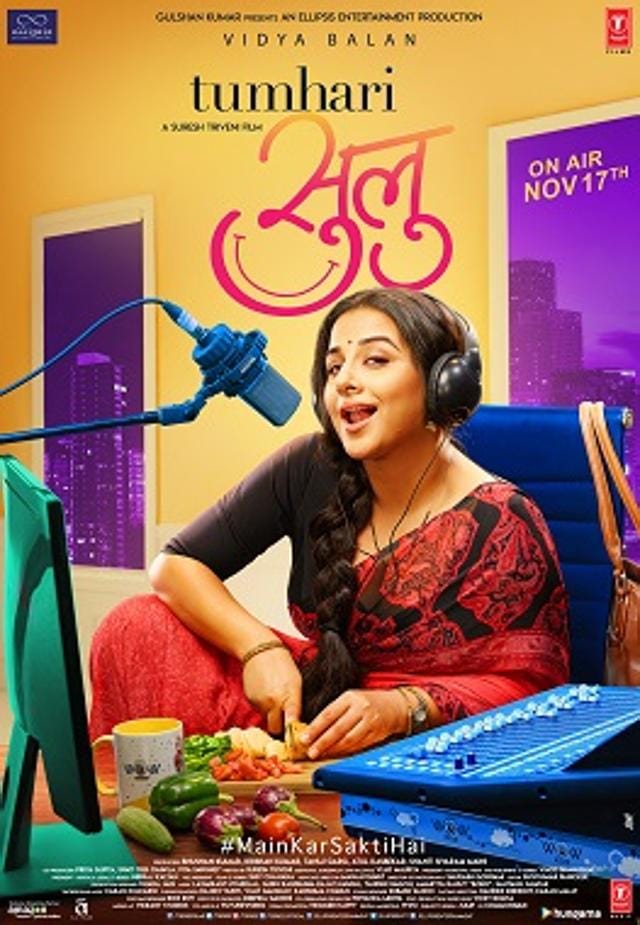
When Tumhari Sulu was being made, Suresh Triveni, who’s the director of the film called me and said that he has a film approved and he has written a draft of the script but there was something he could see lacking in the film. He said that he wanted a collaborator. My credit is that of Additional Screenplay & Dialogues. But when you win an award, everyone gets a trophy each and the trophy that I got wasn’t smaller than his in size. Whenever you write anything in a film, even if you write one line or one scene, you are part of the writing team and the award will be for everyone to keep.
Though, let’s say, I am writing something from scratch tomorrow with another writer, if we are starting from zero, it’s a different kind of co-writing. Then we discuss the ideas together, write different scenes and jam on them. I did that recently with Suresh (Triveni) for an upcoming project and we had a lot of fun.
What’s your take on OTT as a platform for both established and emerging screenwriters?
OTT has definitely created more opportunities. Not just for writers but also for technicians, light and sound crew and everyone. People have a lot of work, the money is good as well, which is great. People are happy because OTT is generally good stories unlike TV. OTT is close to cinema in that way. But you know, it’s not quite cinema. I am afraid that the emphasis on cinema might get lost in all this. Nothing can replace the impact of a film on people. People still connect with and remember cinema better. Having said that, I hope OTT sustains for all the good things it has brought in. And cinema sustains too, holding its own.
For young writers, the opportunities are definitely more in number than they were in the nineties. For many OTT shows, Writers’ Rooms are created. There could be four, five, six writers in them depending on the scale of the show. But not all are of equal experience. A young writer could fit in with a bunch of senior writers or vice versa. This has created tremendous opportunities for talented people. I emphasize the word “talented”. If you are talented, you will find work, especially as a writer today. If you don’t find work for a sustained amount of time, maybe you are not talented. The industry is like a magnet and talent is like iron. If there’s talent, it will be pulled in.
Along with talent is temperament. I have seen lots of writers who bring their egos into a project, who clash with everyone. Personal issues should be kept back at home because at the end of the day, cinema is a business. And business needs both talent and temperament.How is writing for a show different from writing a film?
I had written this Eros series called Smoke. And in the transition from cinema writing to show writing, the first thing that struck me was that there’s too much to write! You have to go on and on, page after page; it is relentless and time consuming to write a show. But the good part is that there’s much more scope with characters now. You can now have nuances, subplots that a film cannot accommodate. Like, if there’s a character who, in a film you, would have shown only in office, now you could also explore what he does when he goes home or to a party or maybe even to a secret underground meeting of the cult that he’s a part of. This is a great opportunity for a writer to explore.
Who are your favourite filmmakers and what are your favourite films?
That has to be a long list. I’d say I start with Amores Perros by Alejandro Inarritu, the Mexican director. In fact, his entire body of work is mad, brilliant. Then I’d say Zoya (Akhtar). Not because I worked with her recently on Gully Boy but because she has a fantastic eye and a great set of filmmaking skills. Farhan (Akhtar), for that matter, as well. Dil Chahta Hai was a film like no other and it personally gave me the confidence that dialogue can be written this way as well as opposed to staged and performed writing. Then, there’s Bimal Roy, Hrishikesh Mukherjee. Hrishikesh Mukherjee is unique. I haven’t seen another filmmaker like him. Then, there’s Francis Ford Coppola too, whom I love. And many, many others.
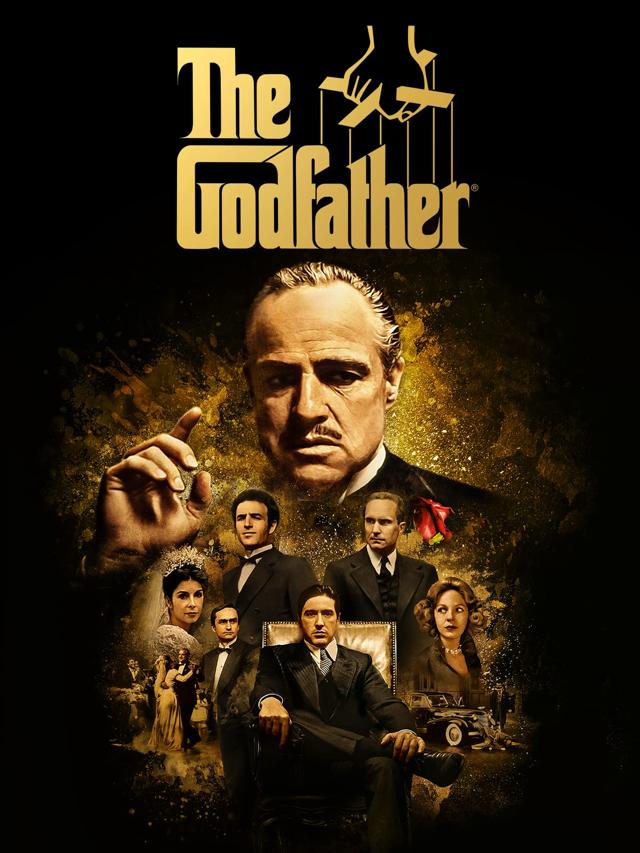
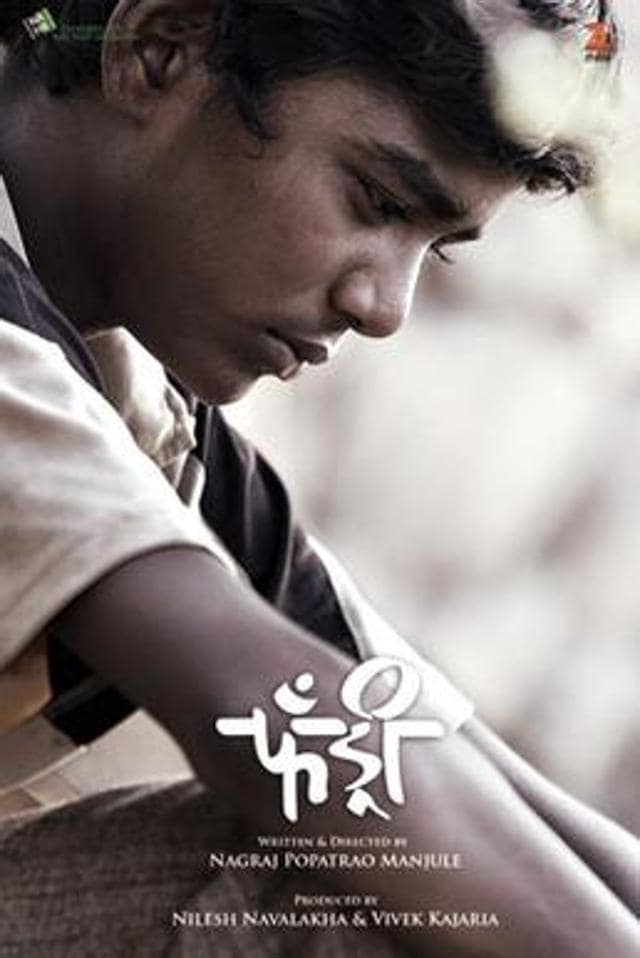
To tell you about the films and filmmakers that influenced me at an early age, I’d say, Cinema Paradiso by Giuseppe Tornatore, Life is Beautiful by Roberto Benigni, Mother India, Dharti Kahe Pukar Ke, Ganga Jamuna. Obviously, The Godfather. When I started watching Iranian cinema, I kept wondering how films could be written and made that way! Abbas Kiarostami, Majid Majidi, Mohsen Makhmalbaf helped me look at cinema in a different light. Then Satyajit Ray, the master, Guru Dutt sahab, they have all influenced me. Sometimes, you happen to watch a film suddenly out of nowhere and it inspires you. There was a film called Perfume, then another called Beautiful, even Sarfarosh, for that matter. When it came out, it was quite fresh for a Hindi film. I like a lot of modern Malayalam cinema as well. I love how they sometimes set a film in a single house and tell a story so beautifully. Even some of the Marathi cinema. Like for instance, Fandry. I was stunned when I watched that film.
What’s your favourite film of all those you have written?
I think Gully Boy. That’s my most satisfying work so for. But I’d say Tumhari Sulu, Yeh Ballet, Chillar Party are not far behind either. To be honest, I don’t look at any of the projects I have worked on as a mistake. I am lucky that way. But I’d say Gully Boy gave me something rather special, both creatively and career-wise.
Is there any filmmaker that you wish you could write for someday?
Alejandro Inarritu. I think the way he understands characters is otherworldly.
Mihir Chitre is the author of two books of poetry, ‘School of Age’ and ‘Hyphenated’. He is the brain behind the advertising campaigns ‘#LaughAtDeath’ and ‘#HarBhashaEqual’ and has made the short film ‘Hello Brick Road’.


