
 E-Paper



Neel Soni: 'Family does not always have to mean people'
Filmmaker, wildlife photographer and author Neel Soni on Babli by Night, his documentary about a transgender forest guard in Uttarakhand

 Prefer HTon Google


In Indian films, trans people are usually shown begging for alms, showering blessings on married couples and babies, or soliciting clients for sex work. Your film is about a trans person who is a forest guard in Uttarakhand. Why was it important for you to tell this story?
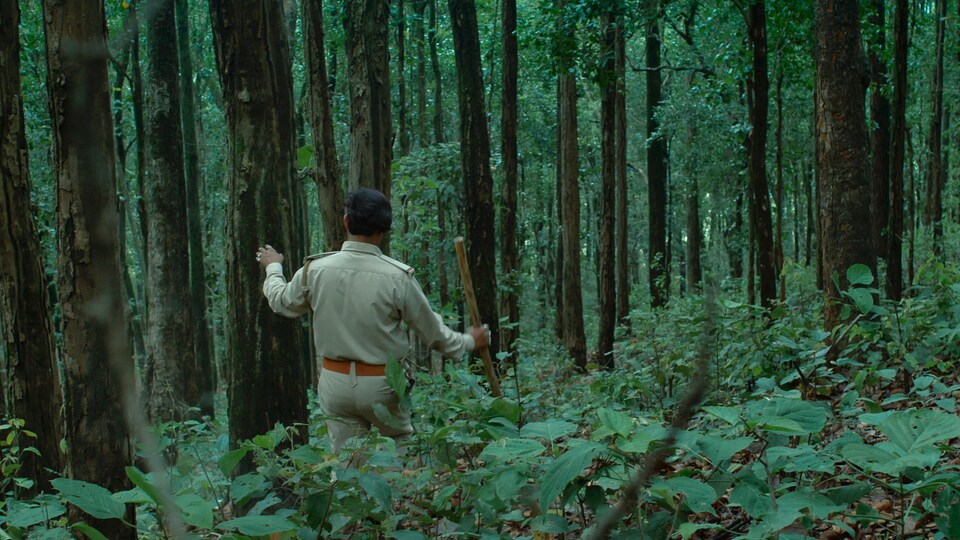
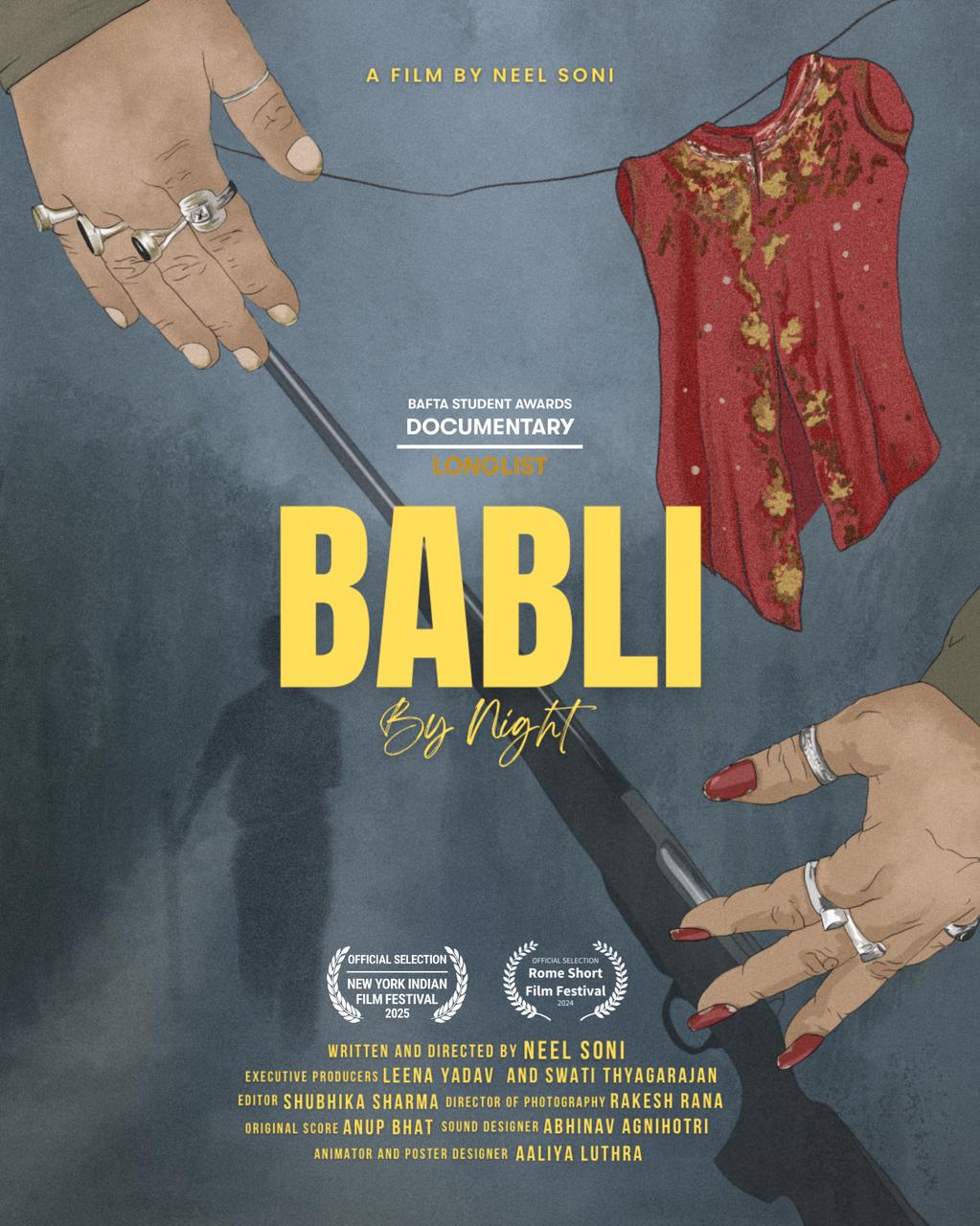
For me, the heart of this film was about breaking away from the clichés and stereotypes that surround trans people in Indian cinema. When I first met Babban, I saw someone whose life was so deeply connected with the forest, with animals, and with solitude. None of that aligned with the narrow images we are so used to seeing. Their story deserved to be told with honesty and without embellishment. That’s why the documentary format felt right. It gave me the freedom to be intimate and truthful, to simply let their world unfold as it was, without imposing on it.
How did your understanding of Babban’s struggles and joys as a trans person evolve during the course of making this film?
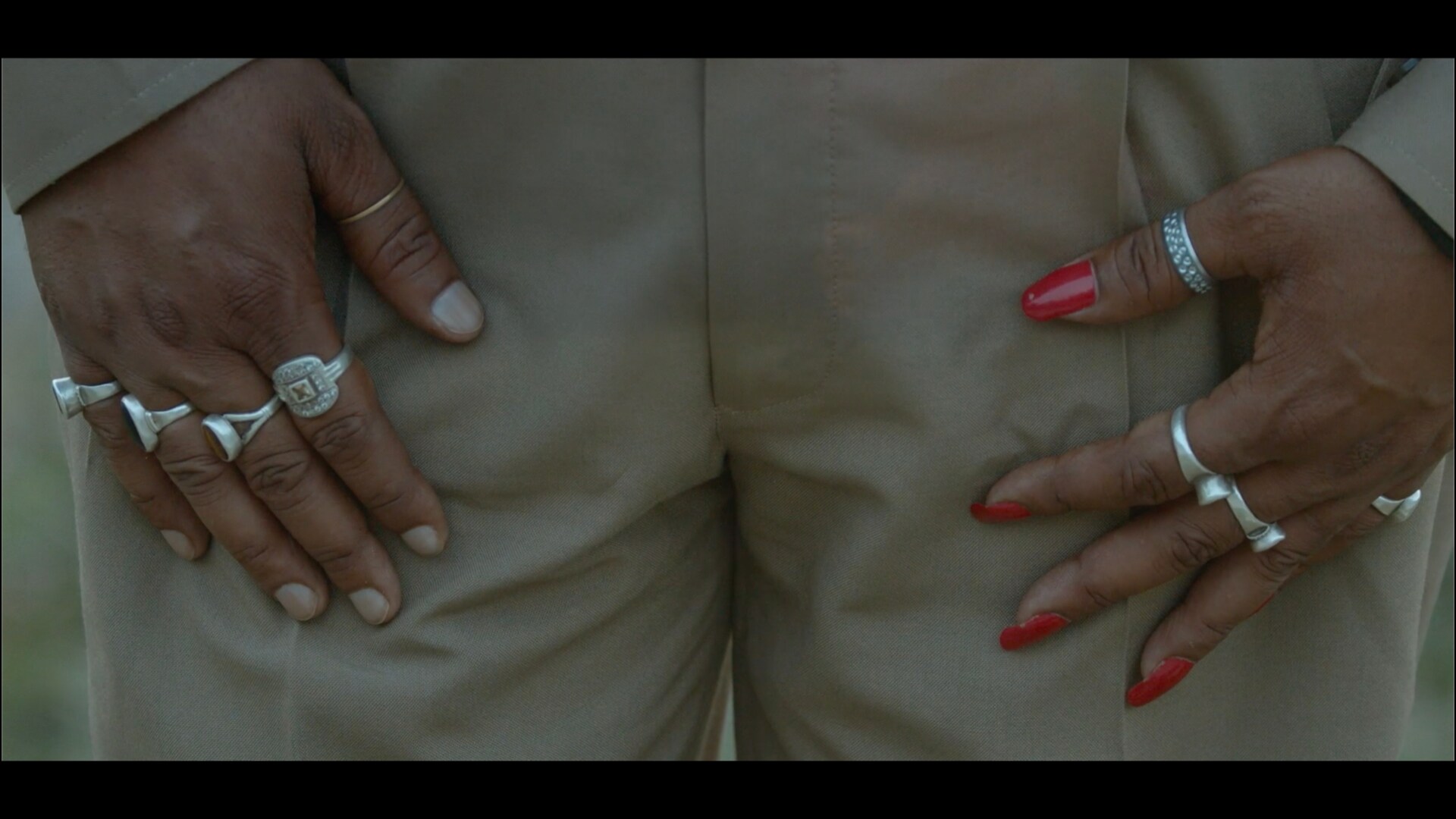
When I started, I thought I had a fair understanding of the struggles faced by transgender people in India, but I quickly realised how surface-level that understanding was. What I had to unlearn was the idea that struggle defines identity. With Babban, I began to see how joy, connection with nature, humour, and even the smallest moments of peace were as central to their life as the difficulties they faced. That balance of struggle and joy really shifted my perspective.
Usually, when people from the LGBTQIA+ community talk about their chosen family, they refer to human beings. Your protagonist talks about elephants in the forest as their chosen family, and describes how peaceful they feel in the company of those elephants. What was going on in your mind when you heard that; how did it make you feel?
When Babban said that, it stopped me in my tracks. There was something profoundly beautiful about how they felt accepted and seen by creatures who asked nothing of them, who made no judgments. It made me reflect on the limits of human acceptance, and on how nature offers a kind of unconditional embrace that we often deny each other. For me, it was a reminder that family does not always have to mean people; it can mean any presence that allows you to feel whole.
Salem Skelton and Damien W Riggs from the College of Education, Psychology and Social Work at Flinders University in Australia wrote a research paper titled Exploring the more-than-human in trans people’s lives: Connections, sociality, being and animal companionship for the International Journal of Transgender Health in 2024. Their interviews with 27 binary trans and non-binary people revealed that love received from animals was unconditional and non-judgemental. Animals provided a safe space. Did you ever get a chance to see Babban in close contact with elephants? What was that like?
Yes, and it was remarkable to witness. Babban’s connection to elephants comes from their childhood. Their late father was a mahout, and their family has been caring for elephants for generations. Growing up around them, Babban found both comfort and continuity in their presence. For them, elephants are more than animals. They are a living link to their father and a source of unconditional acceptance that they often did not receive from people. Watching Babban with the elephants, it felt as if Babban belonged more in their world than in ours. That bond gave Babban both strength and peace.
You have been a wildlife photographer since your teenage years, and have also written the book A Walk on the Wild Side about your experiences at Jim Corbett National Park. To what extent did your shared love of the forest help you and Babban trust each other? What was their response like when you approached them with the idea of making this film?
From the very beginning, Babban wanted their story to be heard, and there was no hesitation when I spoke about making the film. The forest became our connection. For them, it was a place of refuge, and for me it has always been a source of healing. That shared love for nature built trust naturally, and the film grew out of that mutual need to tell their story.
What aspects of your training at the Pratt Institute in New York were most helpful while working on it? What did your education as a film student not prepare you for?
Pratt gave me the technical grounding in things like how to think about light, how to use the camera to build intimacy, and how to shape a story in the edit. But what no film school can prepare you for is the moral responsibility that comes with telling someone else’s story. There were so many moments where I had to make tough choices about what to include and what to leave out, always with Babban’s safety and dignity in mind. That kind of ethical balancing act was something that I had to learn on my own.
What similarities and differences do you see between audience reactions in India and the United States, especially from trans people whose rights are under threat?
In both countries, what has resonated most is the humanity of Babban’s story. People connect to Babban’s solitude, their search for belonging, and their bond with nature. The difference lies in the lens through which it is received. In India, audiences often see it as a revelation because we so rarely encounter trans narratives that move beyond stereotypes. In the United States, the responses have been more reflective, often comparing Babban’s journey with broader conversations about trans rights and visibility. Both reactions have been deeply valuable to me.
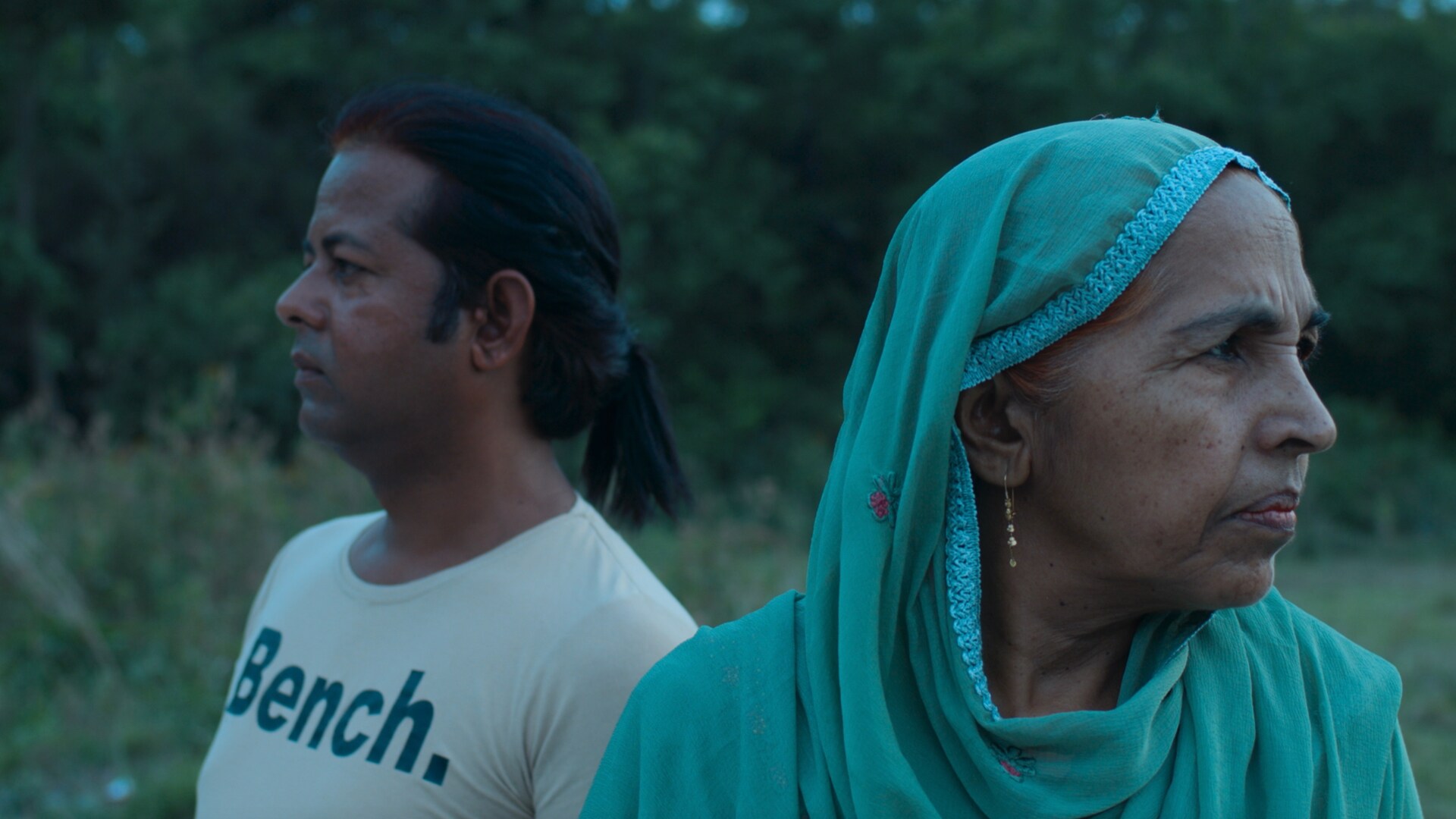
In the film, Babban talks about their strained relationship with their faith as a Muslim, and with their mother who is unsupportive of their decision to transition. What was it like for you to witness and process these moments of intense vulnerability? What did you do to make them feel comfortable?
Those were some of the most difficult yet most important moments to film. For me, it was about creating a space where I was silent, where another person could truly be heard. I tried to step back and let Babban lead because this was not about my interpretation; it was about Babban’s truth. The only way I could approach it was with as much sensitivity as possible — listening, being present, and never pushing. Sometimes the camera was there, sometimes it wasn’t. What mattered was making them feel safe enough to open up in their own way, on their own terms. My role was to hold that space quietly, without judgement or interruption, so their vulnerability could exist with dignity.
They also open up about their experience of living with HIV, which still carries social stigma. According to you, how can films help in reducing stigma and creating a more inclusive society?
I think that films can shift perception by humanizing experiences that are otherwise silenced or hidden. With Babban’s story, it wasn’t really about presenting them as a symbol of HIV but about showing them as a full person whose life, joys, and sorrows go far beyond their diagnosis. When audiences see that, it chips away at the stigma that they carry because stigma thrives on distance and ignorance. Storytelling, at its best, closes that distance.
How does it feel to be longlisted for the BAFTA Student Awards? What are you currently working on?
Being longlisted for the BAFTA Student Awards has been incredibly humbling. It feels like a recognition not just of my work but of Babban’s courage and willingness to share their life with such openness. It’s validation that stories like theirs matter and can resonate across cultures and audiences.
At the same time, I am looking ahead. I am currently in pre-production for my next film, which goes on the floors in a few weeks in Los Angeles. It is a dramatic comedy — a medium that I have long wanted to explore. I am really looking forward to stepping into something tonally very different, while carrying forward the same commitment to honesty and storytelling.
Chintan Girish Modi is a journalist, educator and literary critic. He can be reached @chintanwriting on Instagram and X.


