
 E-Paper



Essay: Habib Tanvir at 100; Looking back at Naya Theatre
Habib Tanvir, a towering figure in Indian theatre, incorporated folk forms into modern drama to create a new theatrical language, bringing authentic theatre to urban audiences. He drew on his childhood memories of songs sung in the fields, temples, and rituals for his productions. Tanvir's frequently staged plays had mammoth casts and included an orchestra of 72 people. His most famous work, Charandas Chor, is about a folk hero who, like Robin Hood, robs the rich but evades the law until he comes up against his own commitment to the truth. His death in 2009 marked the end of an era of pioneering actor-director-innovators.

 Prefer HTon Google


A towering figure in twentieth-century Indian theatre, Habib Tanvir (1 September 1923–8 June 2009), incorporated folk forms within modern Indian drama to create a new theatrical language. When he began his career, folk had not yet become the creative wellspring of the Indian theatre scene. A pioneer in breaking the rules of conventional proscenium theatre, Tanvir, who founded Naya Theatre in 1959, brought in folk forms as he believed the theatre of the people truly belonged in the villages. With a blend of folk performers from Chhattisgarh and actors from the cities, he succeeded in bringing authentic theatre to the urban audience.
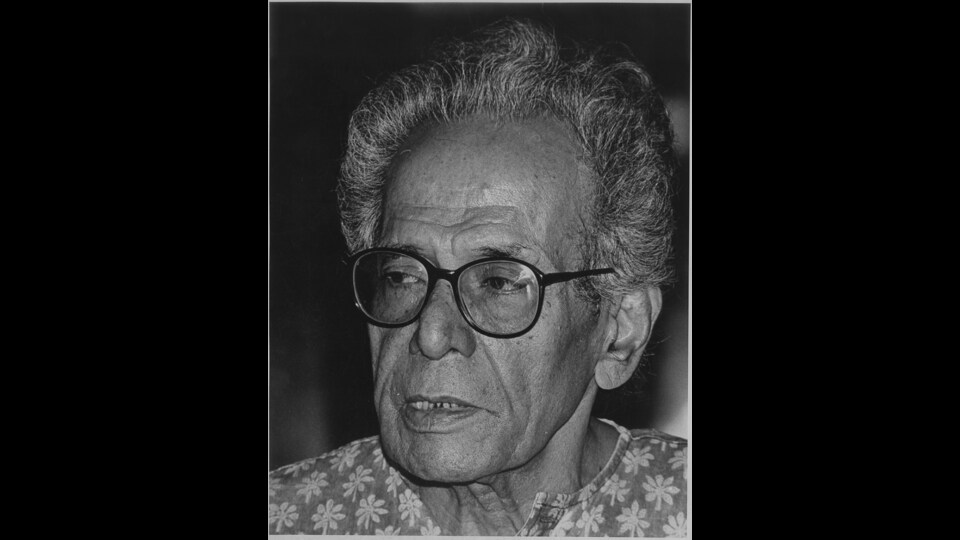
He once stated that unless we “bring a world of consciousness to bear upon the knowledge of our own tradition, we cannot evolve the new kind of vehicle of expression which is necessary for a technical age, where the new demands are made.” And that’s exactly what he set out to do.
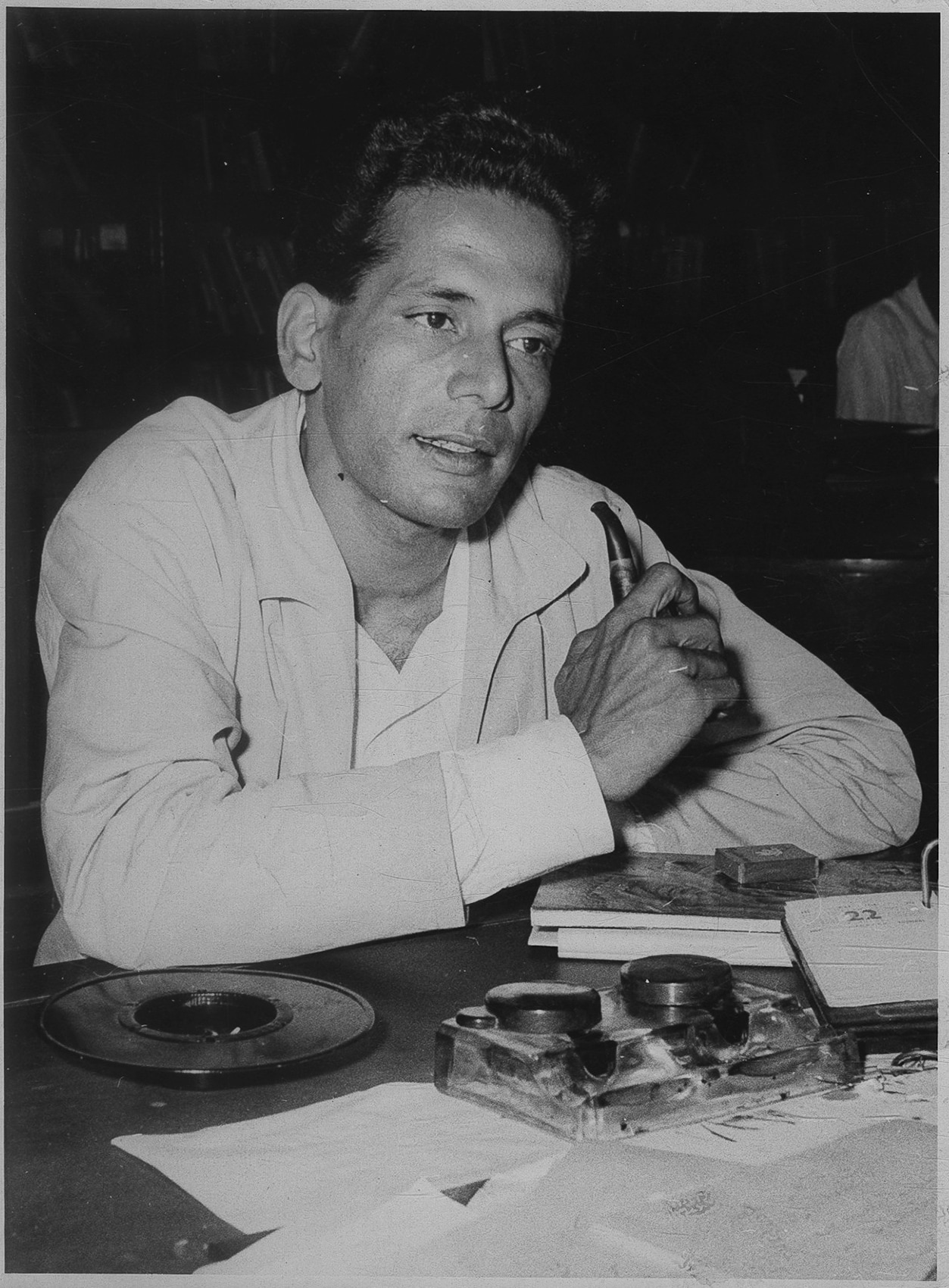
For Agra Bazar(1954), based on the life and times of Urdu poet Nazir Akbarabadi, an older contemporary of Mirza Ghalib, his actors were students of Jamia Millia Islamia, local residents, and folk artists from Okhla village in New Delhi. Staged in a bazar, the play, set in the 18th century, features Akbarabadi’s wonderfully human voice that takes up important cultural and socio-economic issues of the period such as the declining influence of Urdu and the growing power of English.
Tanvir’s cultural consciousness evolved within the left wing IPTA (Indian People’s Theatre Association) and PWA (Progressive Writers’ Association). While he drew on folk, he also included elements of revivalist and archaic traditional theatre. While the original attempt was to use Hindi dialogue in the folk plays, he later used original Chhattisgarhi dialects that added authenticity even if they were tougher for audiences to follow. This, however, did not have an impact on the enduring popularity of the plays. With the realization that modernity was overriding folk traditions, he took it upon himself to save those elements by teaching his troupe folk songs and incorporating the music into his productions. He also blended traditional songs and tunes with new verses. The songs he used, besides being catchy, were also of great anthropological interest. Chhattisgarh was always his focus and he drew from his childhood memory of songs sung in the fields at harvest time, in temples during rituals, and from death and marriage songs that were a part of regular life. The songs in Agra Bazaar are used within the narrative form and also to make philosophical comments on the action. Always an essential part of the dramatic unfolding of the play, song and music were never merely fillers or interludes.
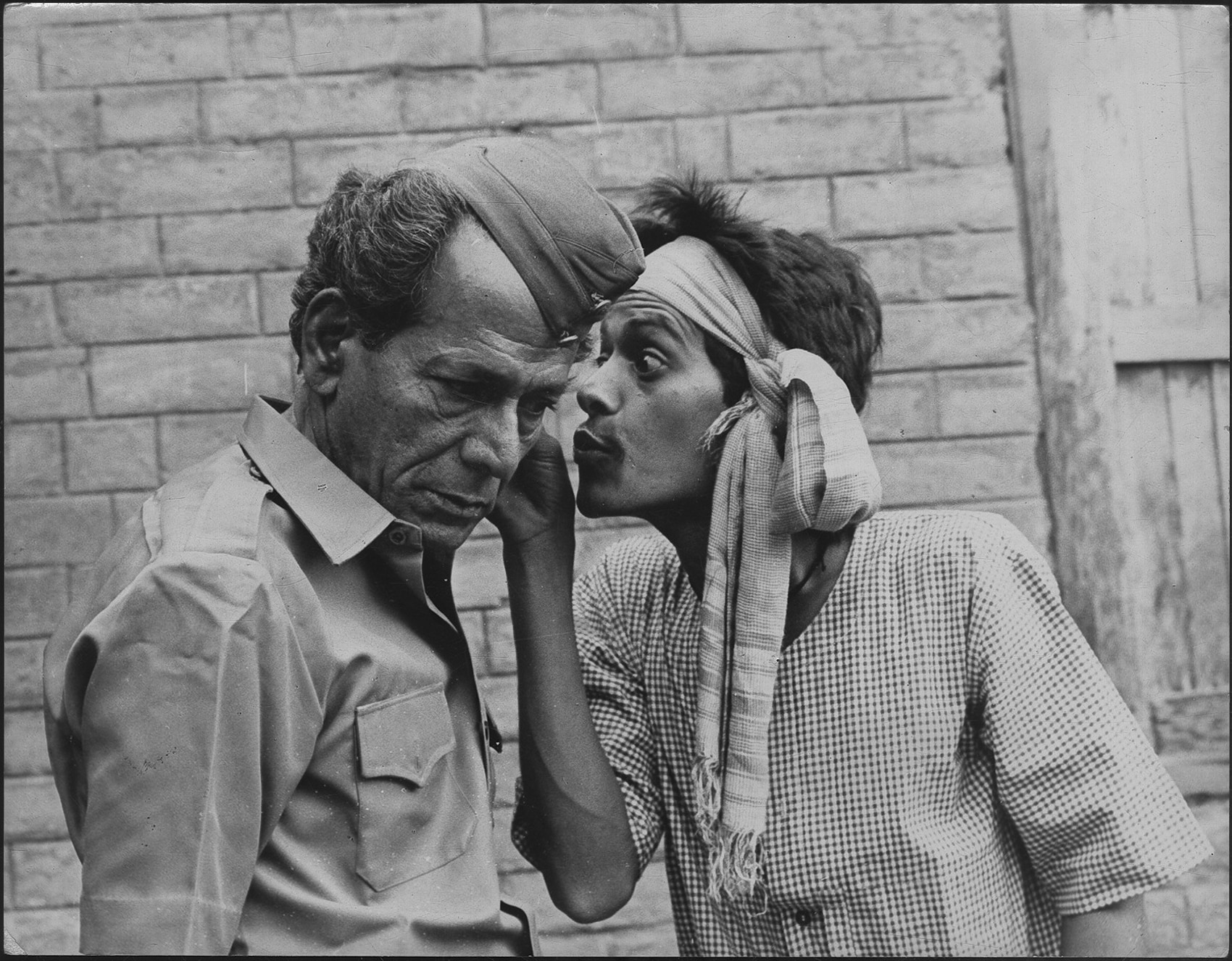
Tanvir’s frequently staged plays with a mammoth cast. Charandas Chor (1975), for instance, included an orchestra of 72 people on stage while Agra Bazaar had 52. Charandas Chor, his most famous work, which was based on a story by Vijaydan Detha, is about a folk hero who, like Robin Hood, robs the rich. He evades the law until he comes up against one wall he cannot scale — his own commitment to the truth. Charandas the thief is shown as more “honest” and truthful than more “respectable” people who are greedy, exploitative and corrupt. This includes his own guru who made him take five vows that he never breaks.
Habib Tanvir’s theatre did not hold fast to any one form but incorporated the skills and energies of folk performance to make them relevant to the contemporary secular context. This made his work challenging, thought-provoking and entertaining. His other memorable productions during a five decade long theatre career included Mitti ki Gari (1958), Gaon ka Naam Sasural Mor Naam Damaad (1973), Jis Lahore Ni Dekhya (1990), and Rajrakt (2006). Many of these are now acknowledged as classics of modern Indian theatre.
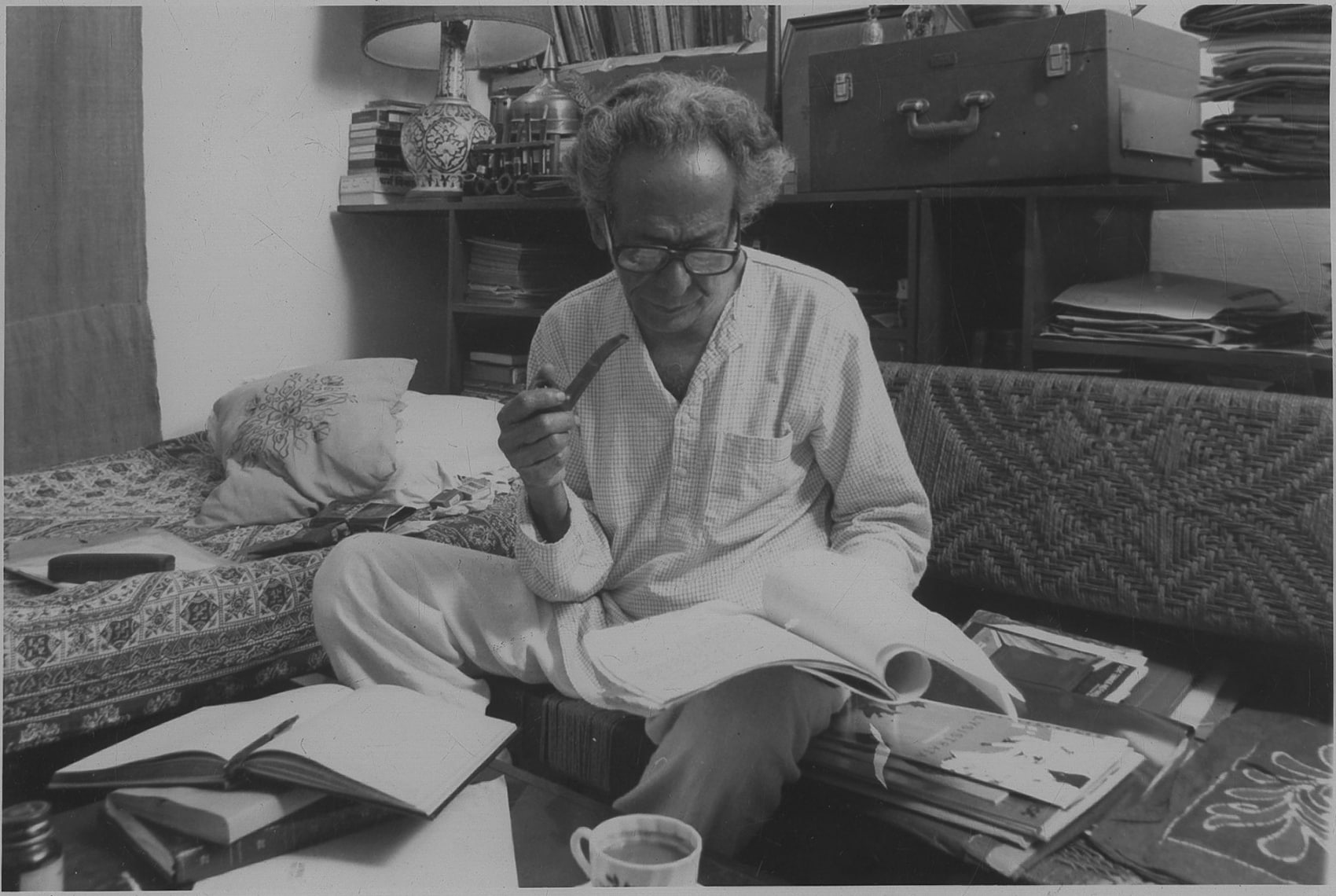
Habib Tanvir also did cameos and character roles in Hindi films including one memorable appearance in Sudhir Mishra’s politico-historical Yeh Wo Manzil To Nahin. Others included Nana Patekar’s Prahaar, Charandas Chor directed by Shyam Benegal and Richard Attenborough’s Gandhi.
His death on 8 June 2009 in Bhopal, his home town, marked the end of an era of pioneering actor-director-innovators like Sisir Bhaduri, Utpal Dutt and Prithviraj Kapoor.
Shoma A Chatterji is an independent journalist. She lives in Kolkata.


