
 E-Paper



Review: A Man Called Ove
Ove’s story, originally published in 2014, is that of rediscovery, and of allowing others to fill up the empty spaces


A man called Ove and he has no reason to live.
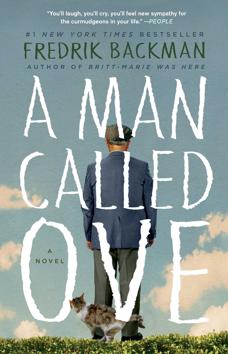
Ove, apart from the obvious bomber that he wants to kill himself, is a grumpy old man. He breathes to work in a calibrated system of strict routine and functions. There can be no deviation from his morning walk to check if any cars have been stolen from his residential lane. Even his impending death is organized in a file – the newspaper subscription cancelled, all bills paid, his will kept ready on the table top, the future of his beloved car ‘Saab’ elaborately explained and the walls covered with sheets so they don’t get dirty.
But of course, disruption crashes in the form of Parvaneh – a very pregnant Iranian refugee -- and her family who move next door. Her arrival enlivens Ove’s lonely existence like as water poured into a parched and shriveled sod would. Parvaneh brings with her not just food but a cascading entry of vibrant characters of all kinds and species. She, Ernest the cat and others give Ove the reason he needed after his wife Sonja died.
A man called Ove and his love story
At the heart of the novel remains a love story that reminds of Up, which was perhaps one of Disney’s most loved films that replaces fairytales and princess gowns for an old couple’s life.
Amid regular bouts of humour as a disgruntled Ove mutters curses under his breath, Fredrik Backman – the author – builds him up piece by piece. Every chapter pushes you closer to the grouch as the story traverses into Ove’s childhood and explains why he is the kind of man who does more and talks little. And the vivacious Sonja is the only one in her lifetime who truly understood and cherished Ove’s quirks. His insistence on no vehicles in the residential area, his undiluted hatred for people who drove BMW and Audi, and his arguments with salesmen who were always out to rip him off – Sonja loves all of him.

So it only makes sense that a foreigner who escaped war in her part of the world arrived to change Ove’s.
A man called Ove and Ernest, the cat
Ove’s imagined conversations with the cat are like dance sequences; graceful and comical but rhythmically delightful; arguably the best portions of the novel. Both of them are reluctant but inescapable companions who eventually save each other. And Ove and Ernest are more similar than they would concede. While Ove always denies that the cat is his, he does time and again rescue Ernest from being devoured by a ‘mutt’. Other times, they shy away from doses of affection. Yet, like peas in a pod, they grudgingly accept it too.
A man called Ove and the story of modern life
In many ways, Ove’s obsession for orderliness is a call to an unsullied life before modernity, when everyone had a role to play and there was little regard for appearances. Like Jane Austen’s Victorian era primness, Ove yearns for the knowledge of fixing machines and cars while Sonja brings “colour” to his black and white life. Ironically, without her, the old man inadvertently falls into the same existential crisis that he mocked 30s-some people of talking about.
A man called Ove and the path to rediscovery
Read more: Shelf life: Here are five books to look forward to this April
But despite being a lot of things, Ove’s story is that of rediscovery, of heaving with grief and silently allowing others to fill up the empty spaces.
May be we all need to be like Ove. And you know what the problem with Ove was – that he had a very large heart, quite literally.


