
 E-Paper



Review: Birnam Wood by Eleanor Catton
At the intersection of climate, crime and literary fiction, Eleanor Catton’s third novel wonders if gardening is the route to redemption in our world.

 Prefer HTon Google


The category of climate fiction, or cli-fi, arose in this millennium, but several older works of fiction have tackled the subject of climate change and its effects. Prescient examples include JG Ballard’s The Drowned World (1962) and Ursula K Le Guin’s The New Atlantis (1975).
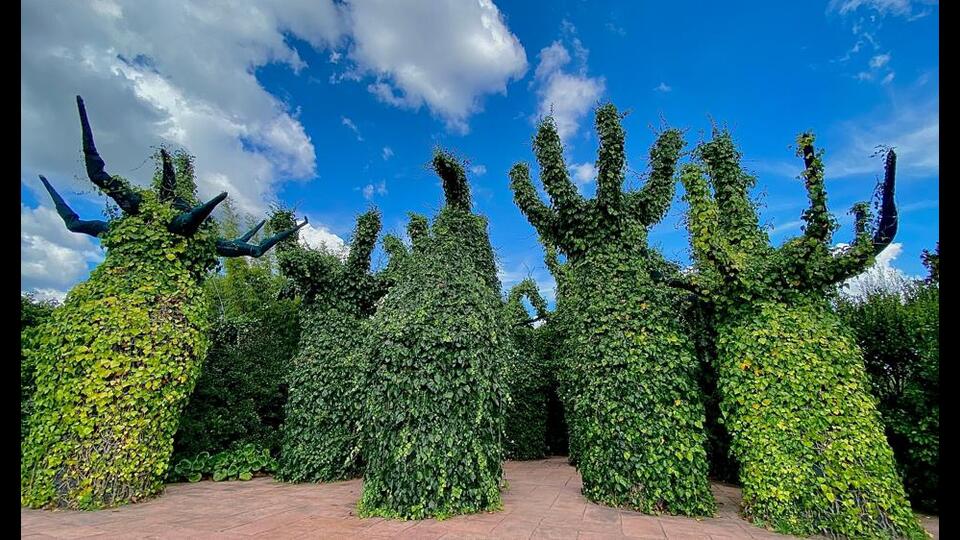
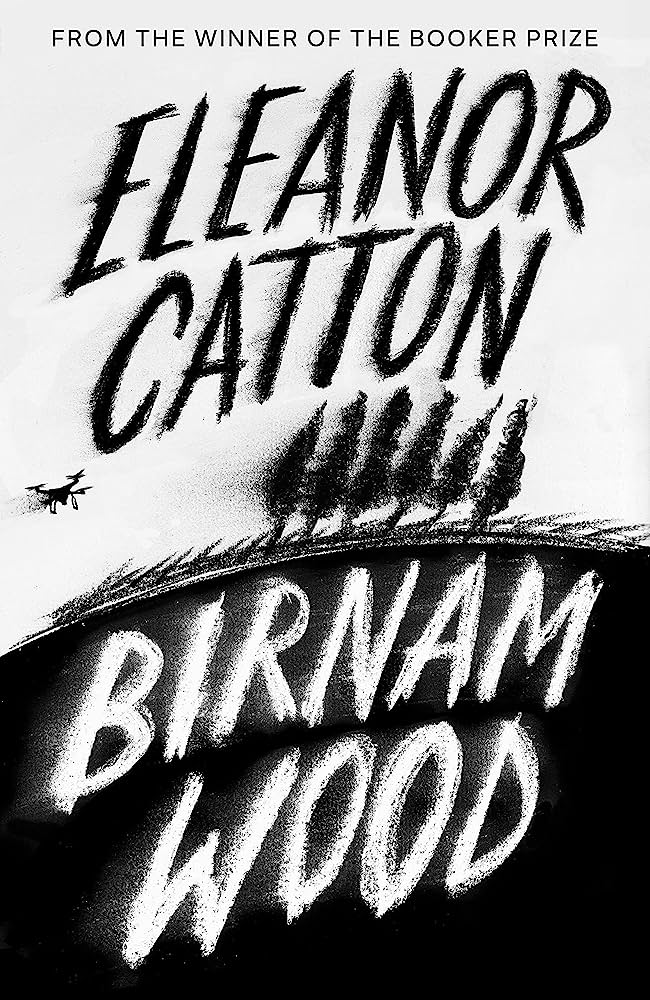
In their time, these works might have sounded far-fetched or futuristic, but contemporary cli-fi often feels frighteningly familiar and immediate. A potent example is Eleanor Catton’s Birnam Wood, which actually goes well beyond one genre and falls at the intersection of climate, crime and literary fiction.
This is Catton’s third novel. Her debut, The Rehearsal, was published in 2008. Five years later, her second novel, The Luminaries, won her the Booker Prize, making her the award’s youngest recipient at 28. Another decade passed before Birnam Wood hit the world. It has been worth the wait.
Set in New Zealand in 2017, its intricate plot has a crime story at its core but draws in several other strands. It examines the shrinking space for those who wish to resist the ravages of late capitalism, such as the concentration of global power in the hands of a few unaccountable technology billionaires, and the simultaneous rise of the surveillance-industrial complex and intensifying assault on the natural world.
Birnam Wood looks closely at the dynamics of a movement that attempts to fight this socio-economic system and the pressures that come to bear on the group. Psychologically rich, the book examines the balance of power in human relationships, and probes what motivates people, how early childhoods shape their personalities and the limits of their self-awareness.
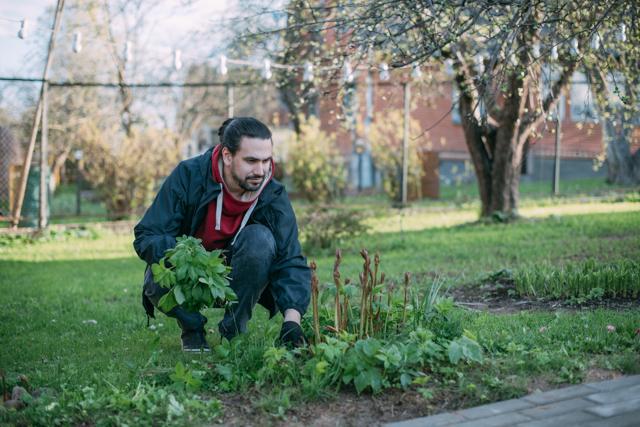
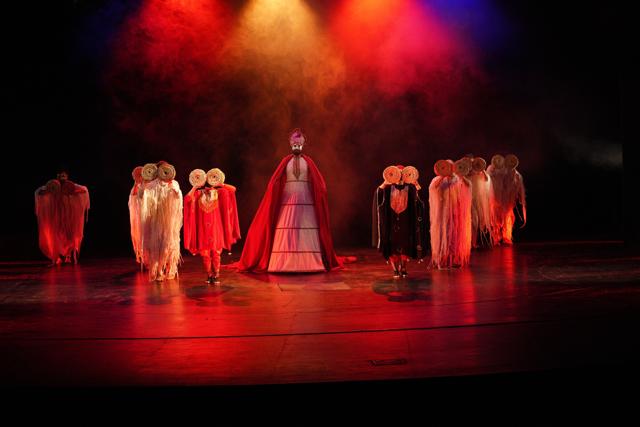
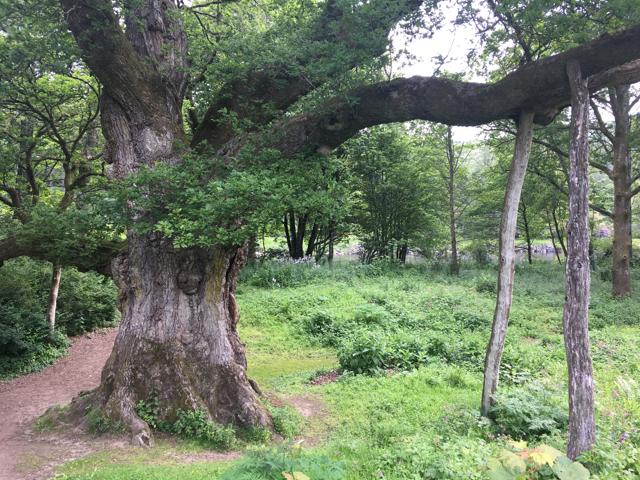
The movement in this book consists of a motley group of young anarchist gardeners. They call themselves Birnam Wood, which, in Shakespeare’s Macbeth, leads to the downfall of the play’s eponymous main character. The group’s members see themselves as the ecological equivalent of the army of soldiers in the play, who, carrying branches from Birnam Wood as camouflage, storm Macbeth’s castle.
The group farms unused land, sometimes with the owners’ permission, but often clandestinely, by trespassing. These guerilla gardeners believe that they are both regenerating the earth and countering the unjust distribution and wasteful use of land.
Always strapped for resources, they press ahead on the back of political conviction and a genuine love of gardening. Throughout, Catton gives us a taste of both the art and solace of gardening. Is it the route to redemption in a world in which people are alienated from each other and nature?
Early in the book, the group’s founder, the highly intelligent but strong-willed and self-righteous Mira Bunting, drives from her home to a huge farm adjacent to a national park and a lake. The whole region has been recently rendered inaccessible because of a landslide triggered by several shallow earthquakes, which she believes makes parts of the farm ideal for the group to work on without being found out.
The story picks up pace after Mira encounters the American billionaire Robert Lemoine on the farm. Lemoine has made his money selling drones. He claims that he is buying the farm to build an underground hideout that he can use after the climate apocalypse, which he and people like him have helped bring about. For his own reasons, he offers to fund Mira’s group and to allow them to garden on a portion of the farm, as long as they keep out of his way.
Should a political movement struggling to survive compromise on some of its principles to achieve a larger goal? Obsessed with achieving scale, Mira becomes the voice of questionable pragmatism, convincing the group to accept Lemoine’s offer, while leaving out some inconvenient details. Only a returning former member, Tony, vehemently opposes what he feels is a pact with the devil, becoming the symbol of puffed-up purity. The group anyway moves to the farm, while Tony, a wannabe journalist, decides independently to snoop around the area.
An action-packed narrative follows, with cat-and-mouse games, gun-toting security guards, car chases and murder. Catton offers readers a glimpse into the world of surveillance, what with Lemoine’s drones patrolling the region and his hacking software intercepting the devices of anyone he wishes. He is up to much more sinister activities than he lets on.

Catton vividly evokes New Zealand’s arresting landscape. But despite the country’s putatively progressive politics, it has not escaped rapacious capitalism as people like Lemoine eye its natural resources.
Through Mira’s domineering relationship with Shelley, her associate and the group’s long-suffering workhorse, Catton again reveals the contradictions between people’s public stances and private behaviour: one can be a votary of egalitarianism even while knowingly or unwittingly exploiting people in personal relationships.

Catton mildly satirises most of the main characters, even while making them believable and retaining her empathy for them. But she excoriates the billionaire, systematically dissecting his psychopathy. In that, too, she is credible.
Her prose is often exhilarating: her many long sentences carry the reader on a raft down a coursing river, although a few are too dizzying. Towards the end, her narrative acquires an edge-of-the seat quality as it hurtles towards a denouement that befits the book’s Shakespearean title.
Sumana Ramanan is an independent journalist based in Mumbai.


