
 E-Paper



Review: The Story of Deportation by Barindra Kumar Ghosh
A prison memoir from the colonial period that details life in the dreaded cellular jail in the Andamans where freedom fighters were tortured

 Prefer HTon Google


Prison literature includes written work by inmates of jails, prison and concentration camps and those under house arrest. In this context, jail does not mean just the experience of being confined behind iron bars and high walls but also includes restrictions on mental freedom and a dislocation from social, cultural, and political life. A huge body of work by imprisoned writers exists across different cultures.
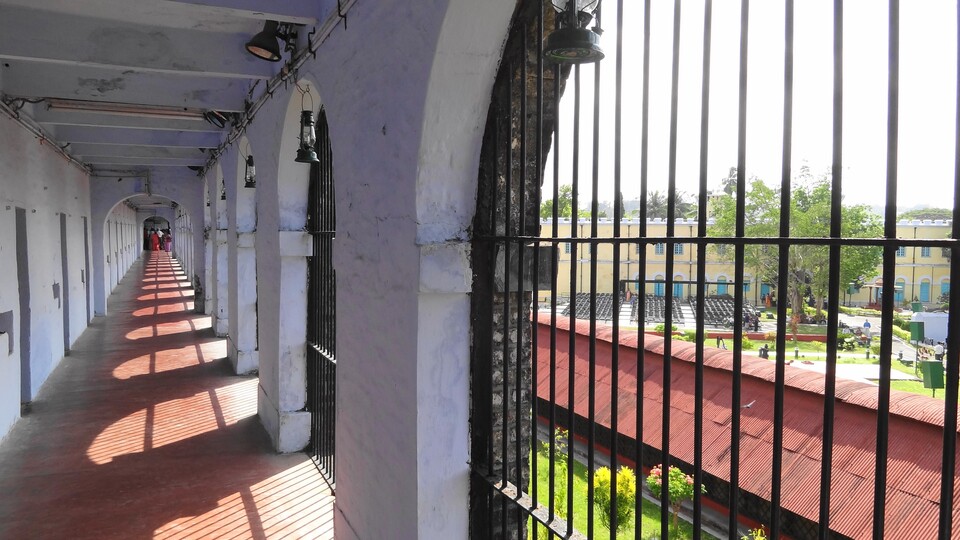
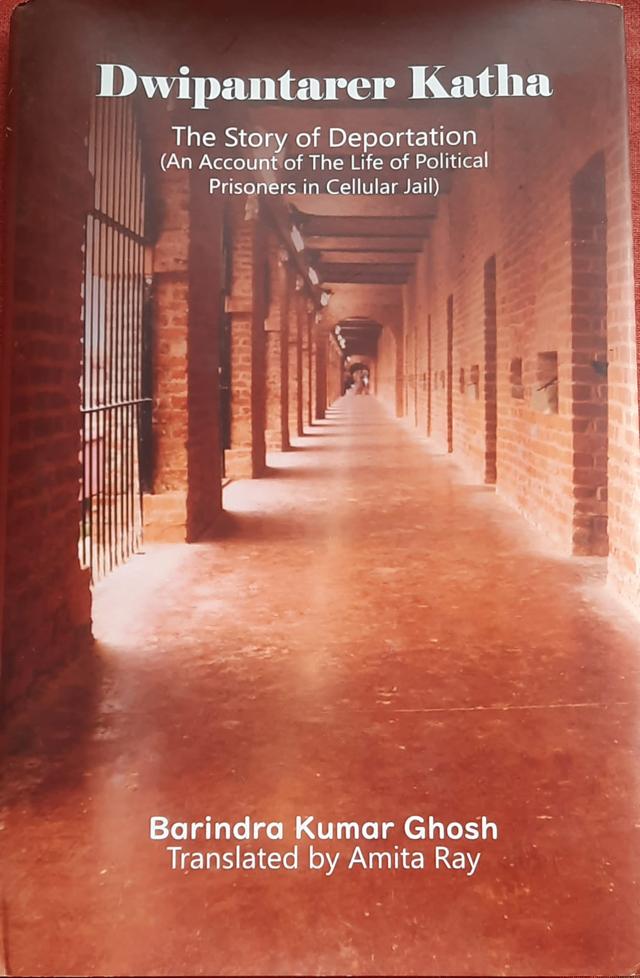
This is Amita Ray’s English translation of political activist Barindra Kumar Ghosh’s memoir, Dwipantarer Katha, originally written in Bengali and published in the author’s life time. With this work, Ray, who taught English literature at Calcutta University, has rescued an important slice of Indian colonial history and has reacquainted the contemporary reader with the story of life in the dreaded cellular jail in the Andamans, where freedom fighters were clubbed with criminals and everyone was subjected to unimaginable torture.
Following the investigation into the attempted assassination of Magistrate Douglas Kingsford by Khudiram Bose and Prafulla Chaki on 30 April 1908, the colonial police, on 2 May 1908, arrested the brothers Barindra and Aurobindo Ghosh and many of their comrades. The trial, known as the Alipore Bomb Case, initially sentenced the brothers and Ullaskar Datta to death. While Aurobindo Ghosh was eventually acquitted of all charges, Barindra and Ullaskar’s sentence was reduced to life imprisonment and they were deported to the Cellular Jail in the Andamans in 1909.
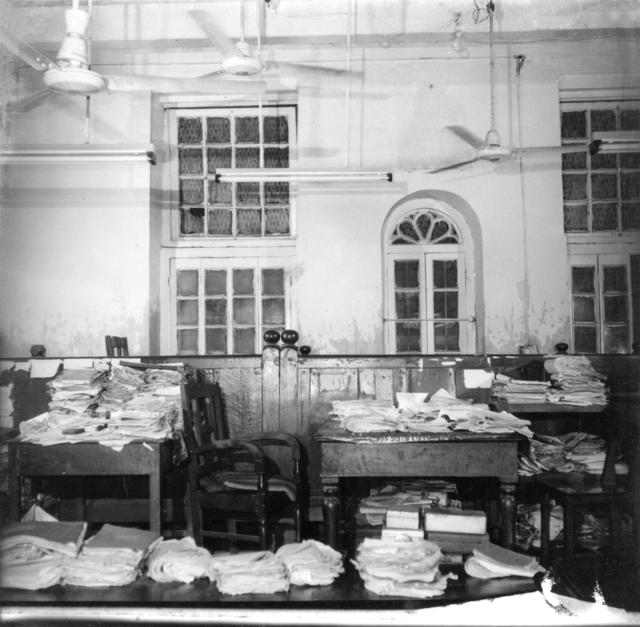
In The Writer In Prison Joseph Brodsky argues: “It’s not that prison that makes you shed your abstract notions. On the contrary, it pares them down to their most succinct articulations. Prison is, indeed, a translation of your metaphysics, ethics, and sense of history and what-not into the compact terms of your daily deportment. The most effective place for that is of course solitary, with its reduction of the entire human universe to a concrete rectangle permanently lit by the 60-watt luminary of its bulb.”
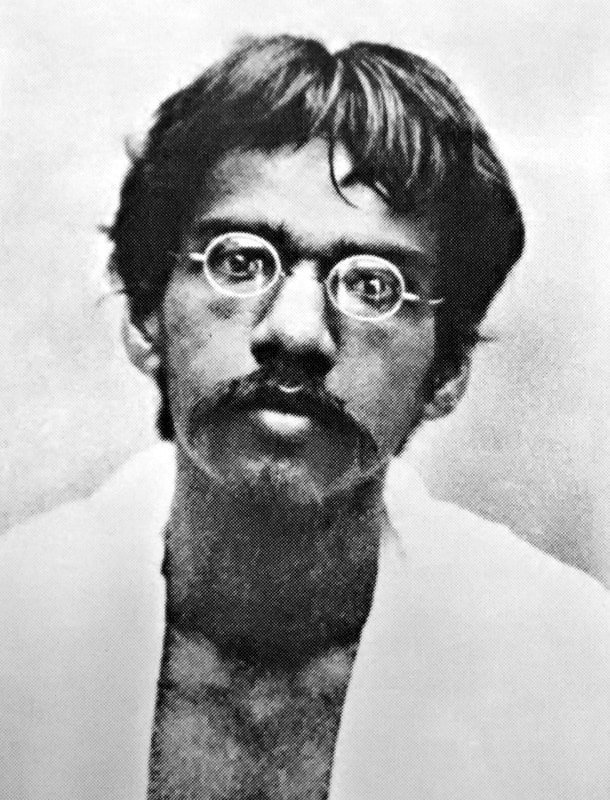
Barindra Ghosh’s memoir reiterates the writer’s will never to surrender to the diktat of the colonial state despite the extreme nature of the prison experience. This was exemplified by many political prisoners, some of whom chose to commit suicide. Still others went insane.
The foreword by academic Aneek Chatterjee points out “accounts of Indian Freedom struggle, penned by the freedom fighters themselves, suffer from inadequacy mainly because many freedom fighters did not find time to jot down their experiences.”

Ghosh and his fellow political prisoners were not allowed to read or write until much later during their incarceration. The prison staff seemed to compete with each other to devise the most terrible forms of torture. Political labour included such physically trying tasks as twisting ropes, thrashing coconut husks, making coir ropes, and turning the oil mill to produce at least 30 lbs of oil within three or four hours. If they failed at these tasks, prisoners were thrashed, deprived of the already terrible food, or kept in solitary confinement. Punishments included being hung from the ceiling with shackled feet.
Ghosh was confined to the Cellular Jail for 11 long years. He provides details of the history, geography, construction and design of the prison and also describes the animal and bird population, the trees in the forests, and most particularly, the insects that were active in the jail leading to terrible cases of malaria and other dangerous diseases. The prisoners were fed tasteless kanji, four chapattis and an almost inedible vegetable curry.
Many prisoners got tuberculosis. The top prison authorities were white and negligent about medical treatment even though the prison had a doctor and hospital attached. The doctor too was casual about treating prisoners. When some prisoners, as an act of rebellion, went on a fast, the jail staff simply looked the other way and allowed them to starve to death. One chapter focusses on the lower-ranking prison staff who were former prisoners. The book also details how imprisoned boys and men were tortured by hardened criminals.

After his release from the Cellular Jail in 1929, Barindra Ghosh spent many years at his brother’s Pondicherry Ashram and then went on to publish 20 books, start an English weekly The Dawn Of India, work for The Statesman, and in 1950, become the editor of the Dainik Basumati. The Story of Deportation is an important prison narrative that manages to incorporate intelligent satire and anecdotes into the dark narrative. It also shows that, while the body can be imprisoned, the soul, mind and the imagination can occasionally endure.
Despite the proofing errors and the jarring literal translations of some Bengali phrases into English, this is an important book that reminds the reader of our hard won freedoms as a nation.
Shoma A Chatterji is an independent journalist. She lives in Kolkata
The views expressed are personal


