
 E-Paper



Budget 2021 caps tax exemption on EPF, VPF; large contributions likely to be hit
The memorandum highlighted that such exemption without any threshold benefits only those employees who can contribute a large amount to these funds.

 Prefer HTon Google


Finance minister Nirmala Sitharaman on Monday proposed to cap the tax exemption for interests on Employees Provident Fund (EPF) and Voluntary Provident Fund (VPF) in the third Union Budget she presented. In order to rationalise tax-free income on various provident funds, the government has proposed to restrict tax exemption for the interest income earned on the employees’ annual contribution of ₹ 250,000.
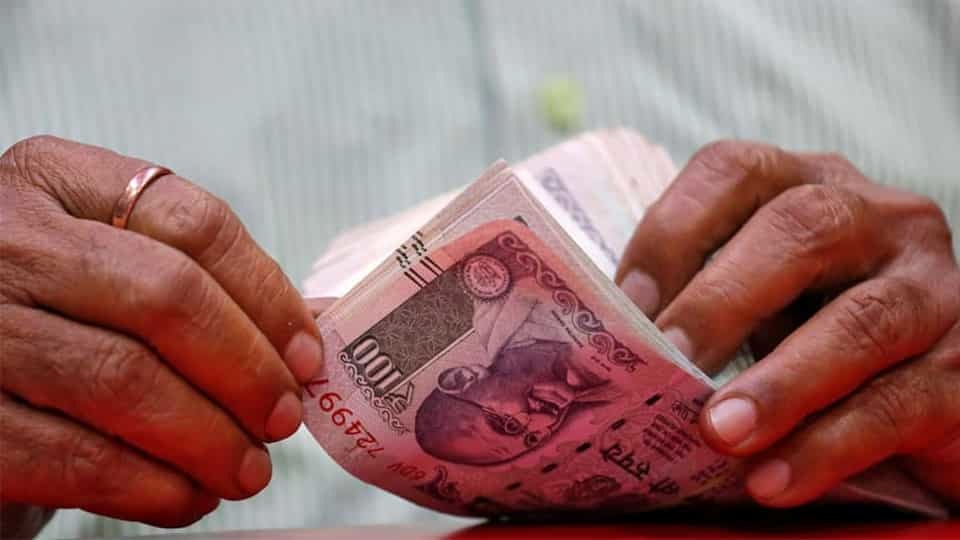
Currently, the Income Tax Act, 1961, provides for an exemption to any payment from a provident fund and to the “accumulated balance due and becoming payable” to an employee. According to the memorandum explaining the provisions of Finance Bill, 2021, there have been instances where some employees are contributing huge amounts to these funds and getting tax exemption.
The memorandum highlighted that such exemption without any threshold benefits only those employees who can contribute a large amount to these funds. The limit has now been set for an annual contribution of ₹ 250,000 which will be applicable only for the contribution made on or after April 1, 2021.
"In order to rationalise tax exemption for the income earned by high income employees, it is proposed to restrict tax exemption for the interest income earned on the employees’ contribution to various provident funds to the annual contribution of ₹2.5 lakh," says the budget document.
Read | ‘Will accelerate recovery, give direction': NITI Aayog CEO lauds 'superb' budget
The restriction will largely impact VPF contributions as less that one per cent EPF contributors are expected to be hit due to the proposed measure. The latest proposal on tax exemption is likely to make huge contributions to provident funds unattractive, especially to those contributing large amounts through VPF.
During the budget speech, the finance minister said the government has noticed that some employers deduct the contribution of employees towards provident funds, and other social security funds but fail to deposit such contributions within the specified time. She pointed out that such failure leads to loss of interest or income for the employees and in some cases when an employer becomes financially unviable, the non-deposit results in a permanent loss for the employees.
“In order to ensure that employees’ contributions are deposited on time, I reiterate that the late deposit of employee’s contribution by the employer will not be allowed as a deduction to the employer,” she added.


