
 E-Paper



Govt sets up task force to review 56-year-old income tax law
Arbind Modi was named convener of the six-member panel that has been tasked to draft a new law.


After the indirect tax regime was transformed by the implementation of the Goods and Services Tax (GST), the 56-year-old Income Tax Act is now set for an overhaul.
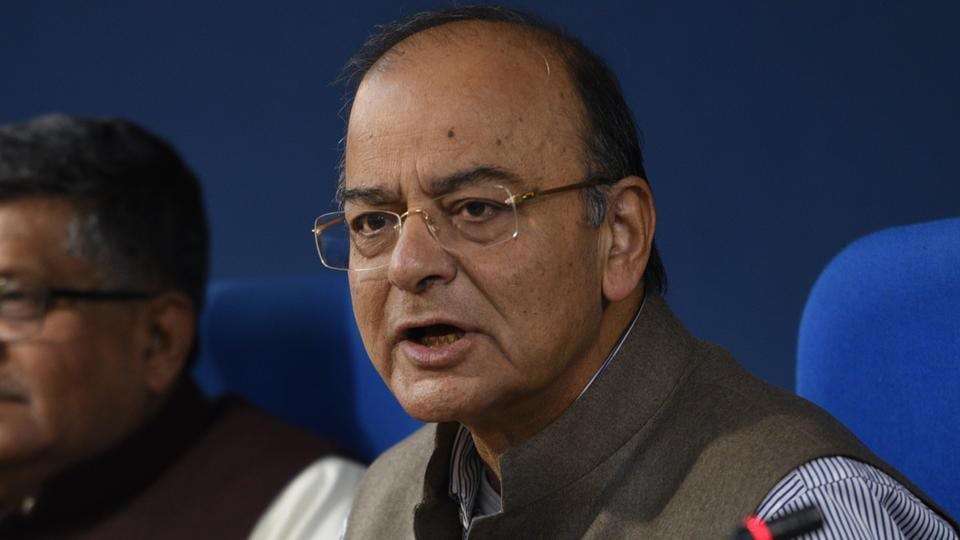
On Wednesday, the finance ministry set up a six-member task force to draft a new direct tax law that will better serve the country’s economic needs by widening the tax base, improving compliance and ease of doing business.
Prime Minister Narendra Modi observed at a tax officials’ conference in early September that the Income Tax Act of 1961 was more than half-a-century-old and needed to be re-drafted.
Arbind Modi, member, Central Board of Direct Taxes, was named convener of the six-member panel that has been tasked to draft a new law. Modi was also a key contributor to the direct taxes code proposed by the previous United Progressive Alliance government.
Almost all the ideas in the proposed direct taxes code--including General Anti-Avoidance Rules meant to crack down on complex corporate arrangements aimed at tax evasion and provisions to tax offshore transfer of assets located in India--have already been adopted in the existing Income Tax Act. Also, a key proposal in the erstwhile direct taxes code of phasing out corporate tax exemptions and lowering of the tax rate to 25% from 30% is being implemented in stages.
For individuals, the direct taxes code proposed that income in the Rs 2-5 lakh bracket be taxed at 10%. The current tax slab is more liberal than that--income up to Rs 2.5 lakh per annum is exempt from tax for individuals (Rs 3 lakh in the case of senior citizens) and income of up to Rs 5 lakh is taxed at 5%.
“The committee has not been given any specific direction to evolve a new law. It is open to the committee to come up with a draft by studying existing provisions and models in other countries,” a person briefed about the development said, requesting anonymity.
Globally, governments have been on a drive to combat what is regarded as aggressive tax planning by businesses using a complex web of subsidiaries across jurisdictions to keep tax outgo artificially to a minimum.
The other members of the panel are Girish Ahuja, chartered accountant; Rajiv Memani, chairman and regional managing partner of EY; Mukesh Patel, advocate; Mansi Kedia, consultant, ICRIER; and G.C. Srivastava, advocate.
Chief economic adviser Arvind Subramanian will be a permanent special invitee in the task force, which will submit its report in six months.
Experts welcomed the move but remained nervous about any major disruption in direct tax laws after the unsettling initial impact of the GST roll out. GST dismantled inter-state barriers to trade.
“In light of the disruption caused in the past on account of structural reforms, it is desirable to have a stable tax regime till at least 2019,” said Amit Maheshwari, partner, Ashok Maheshwary and Associates LLP
“The move to overhaul direct tax laws to improve ease of doing business, widening the tax base and to provide stringent penalties for evasion is welcome.


