
 E-Paper



India’s FY19 fiscal deficit to come in at 3.5% of GDP, says report
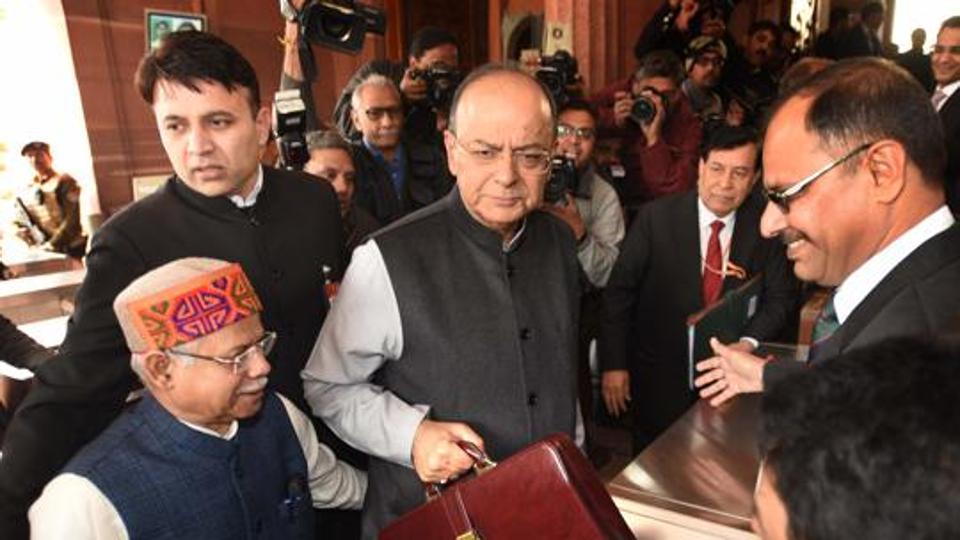
In his Budget 2018 speech, finance minister Arun Jaitley pushed the government’s 3% fiscal deficit target back by a year to 2019-20.


India’s fiscal deficit is expected to come in at 3.5% of GDP in financial year 2018-19, as policymakers seek to promote economic growth by reducing the pace of fiscal consolidation, says a report.
According to the report by BMI Research, a unit of Fitch Group, there is room for fiscal slippage as the government seeks to achieve its 7.5% growth target.
“We are therefore revising our forecast for the financial year 2018-19 fiscal deficit to come in at 3.5% of GDP, from 3.3% previously,” BMI Research said in a note.
“The Indian government released its Union Budget for financial year 2018-19 (April-March) on February 1, which we believe seeks to support growth and job creation at the expense of a slower pace of fiscal consolidation as policymakers aim to achieve a USD 5 trillion economy by 2025,” the report added.
The government has outlined a fiscal deficit target of 3.3% of GDP in 2018-19 as against a revised estimate of 3.5% in 2017-18, indicating some fiscal consolidation, albeit at a slower pace than that recommended under the Fiscal Responsibility and Budget Management (FRBM) framework.
“While the Indian government loosened its central fiscal deficit target for 2018-2019, it did not abandon its fiscal consolidation plans completely, but instead push its 3% fiscal deficit target back by a year to 2019-20,” the report said.
Budget 2018 saw a further increase in overall expenditure, with the biggest allocation going to transport, rural development, agriculture, education, and healthcare, as the key focus is supporting long term growth.


