
 E-Paper



Govt’s shock withdrawal of Rs 500, Rs 1000 notes sparks chaos in cash economy
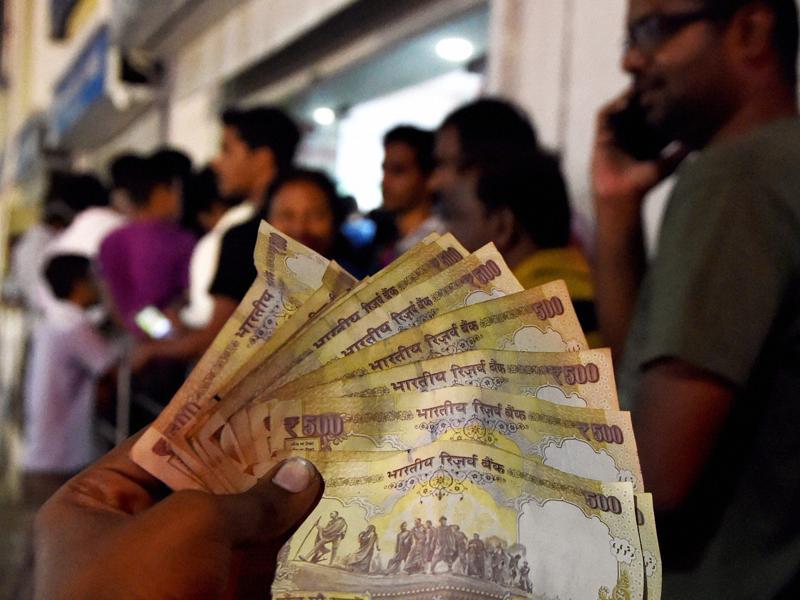
The government’s sudden withdrawal of Rs 500 and Rs 1,000 notes from circulation, in a bid to flush out money hidden from the tax man, caused chaos on Wednesday as gas stations and other retailers refused to accept the larger bills, and bank ATMs stayed closed.

 Prefer HTon Google


The government’s sudden withdrawal of Rs 500 and Rs 1,000 notes from circulation, in a bid to flush out money hidden from the tax man, caused chaos on Wednesday as gas stations and other retailers refused to accept the larger bills, and bank ATMs stayed closed.
The shock measure also sent shudders through the investment community on a day when the markets were also sent reeling by the prospect of Republican candidate Donald Trump winning the US election, with the National Stock Exchange share index slumping as much as 6.3% in early trade.
Read: Rs 14 lakh crore, 22 billion notes junked: What it means for black money
From midnight, the larger banknotes ceased to be legal tender for transactions other than exchanging them at banks for smaller notes.
To be effective it had to be unexpected, analysts said, but the abrupt step was fraught with problems for an economy largely fuelled by cash, especially for India’s poorest citizens, many of whom work in the large rural economy.
“Life is going to become difficult for all from the poorest to the richest” regardless of whether they had declared their wealth or not, columnist Swaminathan Aiyar told a news channel.
Read: Rs 500, Rs 1000 notes scrapped: 25 things RBI wants you to know
“As far as the rural economy is concerned there is going to a huge dry up of purchasing power,” he said, adding there will be uncertainty over what notes will be accepted.
Petrol stations and hospitals refused to accept the larger denomination banknotes, even though the government had given them a waiver to continue accepting the bills.
Meanwhile bank ATMs were closed and many are likely to remain shut on Thursday as banks had to prepare for the flood of people seeking to exchange larger banknotes for smaller ones.
Read: How to go cashless now that Rs 500, Rs 1,000 notes have been scrapped
In Mumbai, long lines formed at the privately-operated tolls at a major bridge traversing the city as the company, MEP Infrastructure, refused to accept 500 and 1,000 rupees notes.
In the stock market, real estate firms that depend on cash transactions were hit particularly hard, with DLF Ltd, India’s biggest property developer, was down 17%.


