
 E-Paper



Budget 2023: 5 major announcements on personal income tax
Budget 2023: Sitharaman announced that the new income tax regime will now be the default tax regime. However, citizens will continue to have the option to avail the benefit of the old tax regime.

 Prefer HTon Google


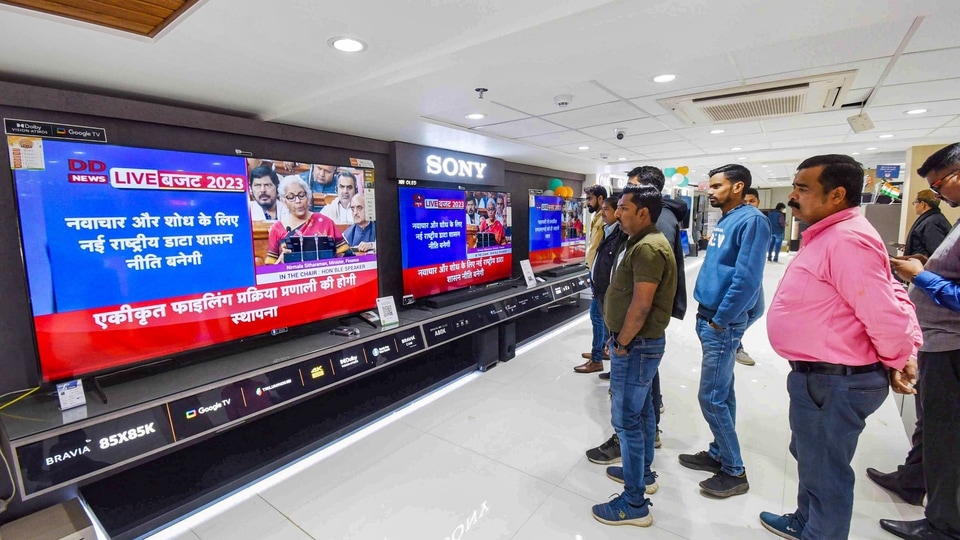
In a huge relief to middle- and salaried-class people, Union finance minister Nirmala Sitharaman on Wednesday announced five major changes in personal income tax. Presenting the Union Budget for FY 2023-24, Sitharaman said that the proposals regarding personal income tax will primarily benefit the country's “hard-working middle class”. Sitharaman announced that the new income tax regime will now be the default tax regime. However, citizens will continue to have the option to avail the benefit of the old tax regime. (Union Budget 2023-24: What's cheaper and what's costlier? Here is the full list)
Here are the five major announcements:
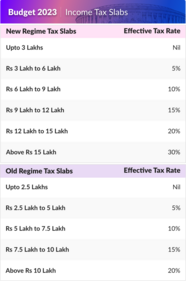
1) The first proposal was related to the rebate on personal income tax. Those with income up to ₹5 lakh do not pay any income tax under both old and new tax regimes. Sitharaman proposed to raise this rebate limit to ₹7 lakh in the new tax regime. “Thus, persons in the new tax regime, with income up to ₹7 lakh will not have to pay any tax,” she said.
2) In 2020, Sitharaman had introduced a new personal tax regime with six income tax slabs starting from ₹2.5 lakh. She has now proposed to reduce the number of slabs to five and increase the tax exemption limit to ₹3 lakh.
3) The third proposal was for the salaried class and the pensioners including family pensioners. She proposed extending the standard deduction benefit to the new tax regime. “Each salaried person with an income of ₹15.5 lakh or more will thus stand to benefit by ₹52,500,” the minister said.
4) Her fourth proposal in personal income tax was regarding the highest tax rate, which currently stands at 42.74 per cent. Sitharaman proposed to reduce the highest surcharge rate from 37% to 25% in the new tax regime. She said the proposed change would result in reduction of the maximum tax rate to 39 per cent.
5) The fifth and the last major announcement on personal income tax involved the limit on for tax exemption on leave encashment on retirement of non-government salaried employees. The limit of ₹3 lakh was last fixed in 2002 during the Atal Bihari Vajapayee government when the highest basic pay in the government was ₹30,000 per month. In line with the increase in government salaries, Sitharman proposed to increase this limit to ₹25 lakh.


