
 E-Paper



Can a blood test detect Alzheimer’s early? Neurologist Dr Vishal Chafale explains how it works and who should take it

 Prefer HTon Google



Know how Alzheimer's diagnosis is becoming more accessible as an expert talks about blood tests that help detect Alzheimer’s.
Alzheimer's disease is a neurodegenerative condition in which symptoms progressively worsen over time, and there is currently no cure. Therefore, the focus remains on early detection to manage the symptoms and slow the progression. One groundbreaking development is the emergence of blood-based biomarkers, which are changing the diagnostic landscape. A simple blood test may help identify the disease earlier and more accurately.
ALSO READ: Your brain is not built for multitasking: Neurologist explains what it does to attention span
Weighing in on this development, Dr Vishal Chafale, consultant in interventional neurology at Apollo Hospitals, Navi Mumbai, explained how the blood test works and what it measures. He answered important questions to help clarify the development.
What is this blood test and how does it work?
“The arrival of highly accurate blood-based biomarkers, particularly a protein known as p-tau217, is transforming how we detect Alzheimer’s disease,” Dr Chafale said, identifying the key biomarker behind this diagnostic development.
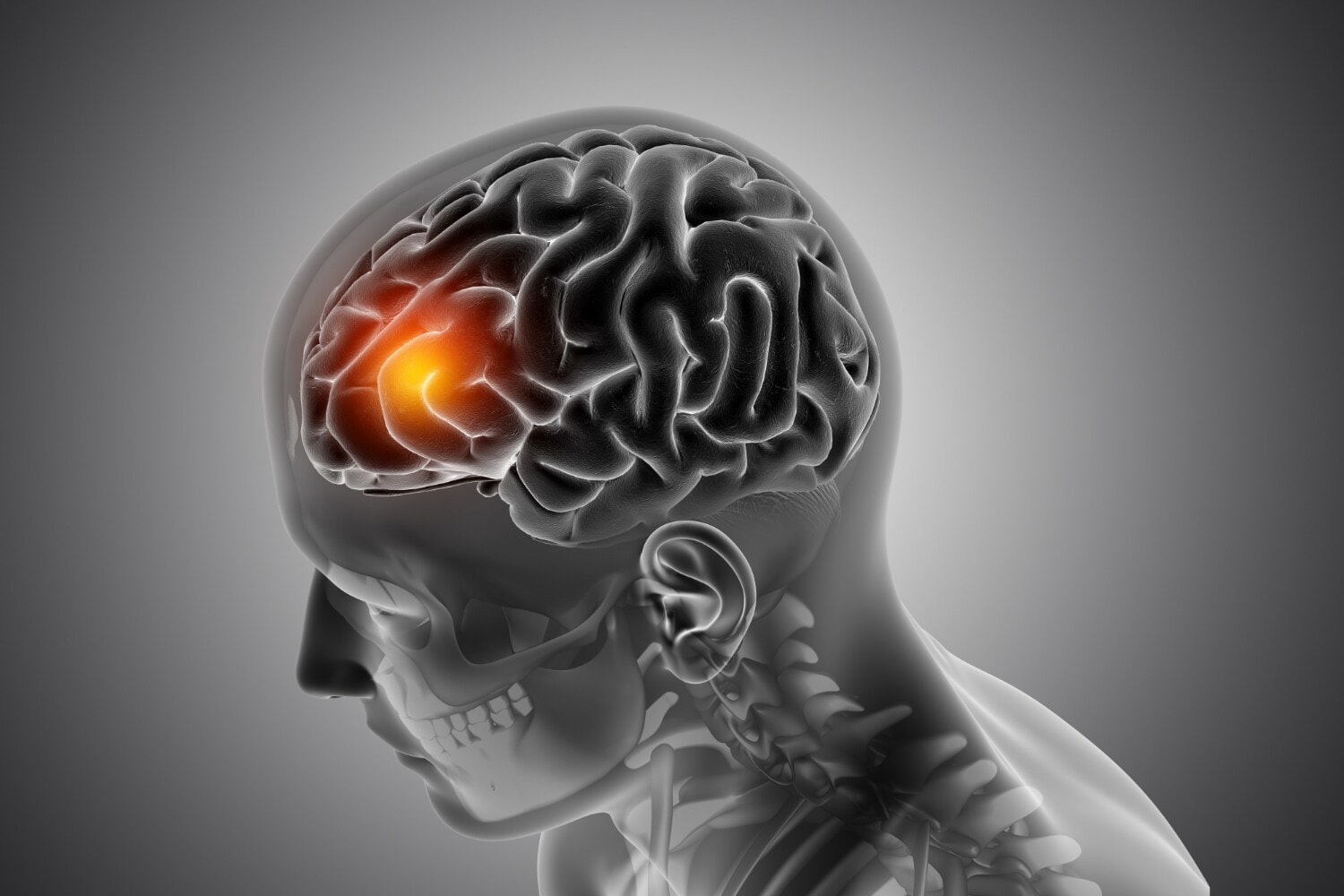
The neurologist further added, “This simple blood test measures microscopic proteins that leak from the brain into the bloodstream.”
Through this test, biological signs of Alzheimer's can be detected in the blood, potentially reducing dependence on invasive or expensive diagnostic procedures.
How accurate are Alzheimer’s blood tests?
The accuracy of a diagnostic test is important in Alzheimer's disease, as the symptoms may sometimes overlap with normal ageing or cognitive conditions. The expert compared conventional clinical assessments with newer blood-based testing. Dr Chafale said, "Standard clinical exams in primary care identify Alzheimer’s with just 61% accuracy. Advanced blood testing elevates that accuracy to 91%.”
This shows that the blood-based biomarkers help doctors get a more reliable and clearer indication of whether a patient's memory-loss-related symptoms are related to Alzheimer's disease. When the accuracy is higher, it helps reduce uncertainty and prevent delays in diagnosis.
The neurologist added, revealing what this could mean for patients in India, "For Indian families, this means a reliable diagnosis can finally begin with a routine blood draw at a local clinic. It is simple, fast, and accessible."
To simplify it, Alzheimer's diagnosis may no longer only need to rely on advanced imaging or spinal fluid testing. Newer methods could make the process more accessible.
Who should take the test?
This test is not meant as a routine screening tool for everyone. It is recommended only after a person begins showing some signs.
Dr Chafale advised who should go for this: “While these tests are a massive leap forward, they are currently recommended only for those already showing signs of memory loss. Broad screening for everyone is not advised.”
Moreover, explaining why universal screening may produce misleading results, he added, "This is because common conditions like chronic kidney disease can skew the results.”
To break this down, certain health conditions may affect biomarker levels in the blood, making the findings more difficult to interpret accurately.
The neurologist also noted that people who are showing early cognitive changes, even beyond memory loss, may consider taking the test after consulting a doctor.
Note to readers: This article is for informational purposes only and not a substitute for professional medical advice. Always seek the advice of your doctor with any questions about a medical condition.


Catch your daily dose of Fashion, Taylor Swift, Health, Festivals, Travel, Relationship, Recipe and all the other Latest Lifestyle News on Hindustan Times Website and APPs.


