E-Paper



Deja vu for India trade as Iran attacks threaten exports, crude oil imports
The Iran attacks by Israel and US carry the twin threat of inflation and currency depreciation for India, since 65% of oil imports comes through the Suez Canal.

 Prefer HTon Google


The Iran attacks by Israel and the United States, and Tehran's counter-offensive, threatens to put India's exports and oil imports into a disarray. The sense is that of a deja vu—a repeat of the logistical nightmares that stifled trade during the height of the Red Sea crisis.
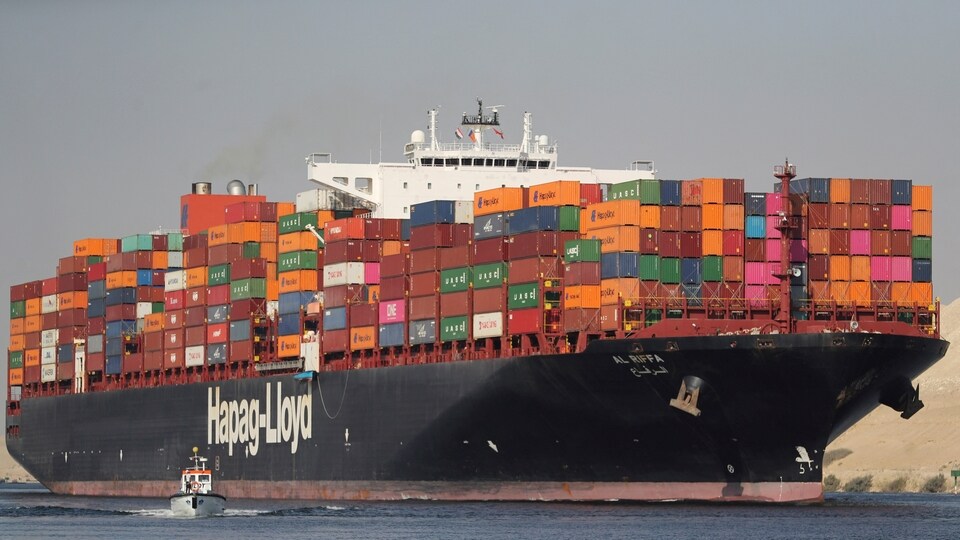
On Saturday, industry bodies warned that the flare-up—which saw Iran target US military installations in Qatar, Kuwait, and the United Arab Emirates following joint US-Israeli strikes—could see freight and insurance premiums skyrocket. For a country that relies on the Suez Canal corridor for the lion’s share of its trade with the West, the timing is precarious.
A Logistic Stranglehold
The immediate concern for New Delhi is the viability of the Bab-el-Mandeb Strait, a narrow chokepoint connecting the Indian Ocean to the Red Sea. With the region now a theatre for active warfare, the “Red Sea route”—the preferred artery for Indian goods heading to Europe and the US East Coast—is effectively becoming a high-risk zone.
“Air routes are already being altered, and maritime trade through key Gulf straits faces heightened uncertainty,” said S.C. Ralhan, president of the Federation of Indian Export Organisations (FIEO). “If diversions become prolonged, shipments may increasingly have to reroute via the Cape of Good Hope, adding an estimated 15 to 20 days to transit times.”
Such a detour isn’t just a matter of time; it is a matter of capital. Rerouting around the southern tip of Africa significantly increases fuel consumption and labour costs. When combined with the inevitable spike in marine insurance premiums—often triggered automatically by "war risk" clauses—the transaction costs for Indian SMEs could become prohibitive.
Energy and Currency Volatility
Beyond the immediate mechanics of shipping, the conflict carries the twin threat of energy inflation and currency depreciation. India imports approximately 65% of its crude oil through the Suez Canal from suppliers like Iraq and Saudi Arabia.
“A prolonged disruption could exert upward pressure on global energy prices, with consequential implications for input costs and currency stability,” Ralhan said, noting that any sustained weakness in the rupee would further complicate the inflation outlook for the Reserve Bank of India.
The apparel and leather sectors, which operate on razor-thin margins and tight seasonal delivery windows, are particularly exposed. A. Sakthivel, chairman of the Apparel Export Promotion Council, expressed “grave concern” over potential delays. In a business where being two weeks late can mean a 50% discount at a European retailer, the Cape of Good Hope route is a last resort that many can ill afford.
Geopolitical Tightrope
As the military situation remains fluid, New Delhi has maintained a cautious diplomatic stance. The central government on Saturday urged all parties to exercise “restraint and avoid escalation”, emphasising the need to respect the sovereignty and territorial integrity of all nations.
However, for those on the factory floors in Mumbai and Chennai, diplomacy offers little immediate comfort. The current crisis feels like a grim sequel to the disruptions of late 2023, when Houthi rebels in Yemen began targeting commercial vessels.
“The geopolitical situation is keeping us on our toes and exporters are completely shattered,” said Sharad Kumar Saraf, founder chairman of Technocraft Industries India. “We do not know what is going to happen next. We need immediate government support to navigate this.”
The Strategic Trade Gap
The stakes for India’s trade balance are high. The Suez Canal handles roughly 30% of global container trade, and for India, it is the primary gateway for exports to North Africa and the Mediterranean.
As shipping firms begin to adjust their rate cards for the Indian subcontinent, the spectre of “container shortages” and “port congestion” has returned to the fore of the conversation.
With the Middle East on the brink of a broader regional war, India’s goal of reaching $2 trillion in exports by 2030 may depend less on local manufacturing prowess and more on the ability of global powers to secure the world's most vital waterways.