
 E-Paper


Gulf airlines oppose Adani’s Navi Mumbai airport shift plan
The proposal has sparked a fight that could well, in the end, involve the regulators, the diplomats and the various governments concerned.

 Prefer HTon Google


Gulf Air and Saudia are both opposing Adani Airport Holdings’ proposal to reduce capacity at Mumbai and shift a significant portion of the international operations to Navi Mumbai. The proposal has sparked a fight that could well, in the end, involve the regulators, the diplomats and the various governments concerned. The Navi Mumbai airport is 50km from Mumbai airport.
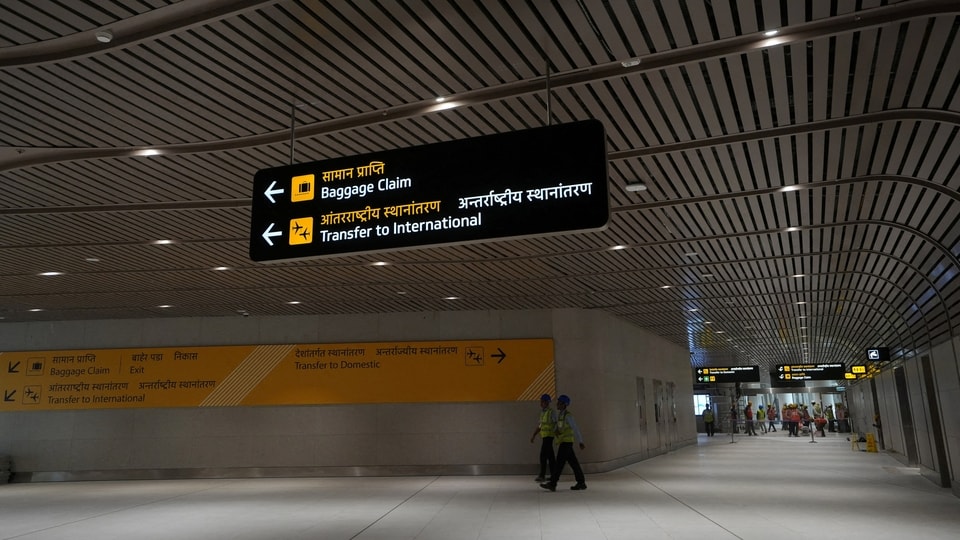
At the core of the dispute are the long-standing flight slots. Both airlines are adamant that Adani has no right to unilaterally scrap the historic slot allocations and warn that they may take their case to the civil aviation authorities in India, Bahrain and Saudi Arabia. Gulf Air has suggested the prospect of countermeasures, which would mean that Indian carriers could, in turn, be squeezed on slots abroad under the various bilateral air service agreements.
Saudia has added further fuel to the fire over the timing of the proposed slot reductions, with a sudden cutback posing a real threat to the annual Hajj and the year-round Umrah pilgrimage traffic. Mumbai is one of India’s key departure points for Muslims heading to Mecca, with some 26,000 pilgrims going overseas from there last year alone.
Gulf Air, Saudia spat with Adani
Adani says the capacity reductions are simply a necessary operational headache to deal with the severe congestion in Mumbai and to route traffic to the new Navi Mumbai airport in the run-up to the major redevelopment of the terminals. With neither side willing to back down, the impasse could disrupt international flight schedules, put pressure on diplomatic aviation relations, and make the long-anticipated move to a dual-airport city far more fraught.
MIAL is a joint venture between Adani Airport and Airports Authority of India (AAI).
“MIAL cannot unilaterally reduce airport capacity, disregard established historical slot entitlements, or compel Gulf Air to surrender its existing operational positions based on a redevelopment plan,” Gulf Air said in an email last week.
“In the absence of a satisfactory reply, Gulf Air will escalate the matter formally to the Ministry of Civil Aviation, the DGCA, and the Bahrain Civil Aviation Affairs, and will raise it with IATA, including consideration of reciprocal measures under the applicable bilateral air services arrangements,” the email further said.
Also Read I State govt urges phased rebuilding of T1 to avoid shifting flights to NMIA
Gulf Air flies twice daily from Mumbai. It says the decision would effectively push its entire international operation out of Terminal 2 at the current Chhatrapati Shivaji Maharaj International Airport. For this reason, it has asked MIAL to share a copy of any approval from the Ministry of Civil Aviation (MoCA) for the capacity cut; the criteria used to decide which airlines and slots are affected; and an explanation of why a further reduction is needed.
Saudia also challenged the cut process, reasoning, and transparency.
“More importantly, the decision has direct implications for Hajj and Umrah operations from India. As the national carrier of the Kingdom of Saudi Arabia, Saudia plays a significant role in facilitating pilgrim movement between India and the Kingdom,” Saudia said in a separate email to Mumbai airport last week.
Coinicide with Hajj pilgrimage
The timing is important. According to the Haj Committee of India’s guidelines, India’s 2027 Hajj charter flights are planned from 8 April to 9 May. The country’s proposed pilgrim count is 175,025. Umrah, unlike Hajj, happens year-round.
Mumbai accounted for nearly 15% of India’s 175,000 Hajj pilgrims in 2026, or more than 26,000 people, according to government data. MIAL wants to reduce Mumbai airport’s official capacity by five million passengers per year (MPPA) for the summer 2027 (S27) schedule, starting in April 2027. It says this is because of redevelopment and capacity limits.
Adani has suggested that 12 airlines move their operations to Navi Mumbai International Airport, which it also runs. Eleven of these 12 are from the Gulf and West Asia.
If the standoff remains unresolved, the Gulf carriers could approach their respective governments, and reciprocal measures affecting Indian carriers flying to these countries pose a risk, said Aslam Allugundu, a Dubai-based aviation advisor.


