
 E-Paper



Retail inflation eases to 15-month low of 5.66%: Govt data
Among food items, cereal inflation continued to be high in March at 15.27%, while price growth in milk and milk items stood at 9.31%

 Prefer HTon Google


India’s consumer inflation eased to 5.66% in March, the lowest in 15 months, against a 6.44% rise in February, official data released on Wednesday showed.
In a relief to policy planners, the headline Consumer Price Index in March came within the 6% limit for the first time in three months.
The Reserve Bank of India’s targeted inflation rate is 4(+/-2)%.
Food inflation, which had driven overall prices consistently, came in at 4.79%, compared to a rise of 5.95% in February, the data showed.
Also Read: Retail milk prices rose 15% in past year, highest in a decade
Core inflation, which strips out volatile components such as food and fuel, eased to 5.95% in March from 6.23% in the previous month, the data showed.
To cool prices, the Reserve Bank of India (RBI) has raised the key lending rate by 250 basis points since the beginning of the cycle in May 2022.
One basis point is one-hundredth of a percentage point.
On April 6, the central bank left the repo rate unchanged at 6.50% at its first monetary policy committee (MPC) in FY24, surprising most analysts.
Governor Shaktikanta Das, however, said the war against inflation wasn’t over.
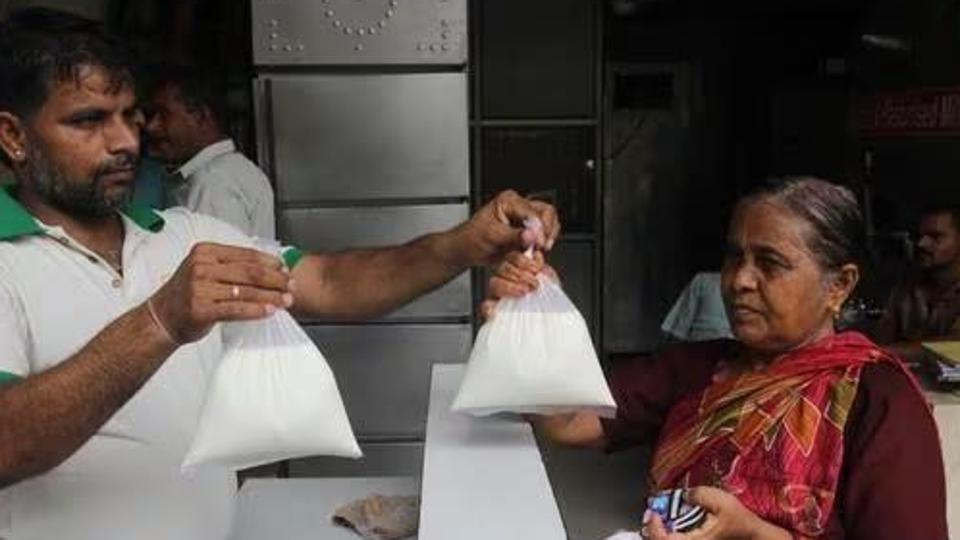
Among food items, cereal inflation continued to be high in March at 15.27%, while price growth in milk and milk items stood at 9.31%.
On the other hand, vegetable inflation shrunk by 8.51%, the data showed.
Wednesday’s data showed the country’s rural inflation in March stood at 5.51%, while the urban inflation print came in at 5.89%.
Central banks typically raise the repo rate – the interest rate at which commercial banks borrow money by selling their securities to the Reserve Bank – to shrink money supply in the economy to bring prices under control.
Lower interest rates make for easy borrowing and businesses typically borrow to invest in new economic activities.
Therefore, more cash supply increases inflation because more money chases fewer goods.
Money supply can be increased overnight, but not purchasable goods, which need considerable time to produce.
On the other hand, at times of high inflation, central banks typically increase interest rates to shrink money supply and cool inflation.


