
 E-Paper



Iran war can cut India GDP growth rate by 100 bps in FY27, EY says
EY now sees India GDP growth rate at ~6% and inflation rate at 150 bps higher that RBI's target of 4% as the impact of Iran war courses through the economy.

 Prefer HTon Google


The month-long Iran war, which is showing no signs of abating, can shave India's GDP growth rate by a full percentage in FY27, according to an EY report.
The fastest growing major economy in the world is likely to grow at roughly 6% as against a baseline of 7% estimated earlier, as retail inflation spikes by up to 150 basis points over the Reserve Bank of India's target of 4% due to a domino effect brought on by a surge in crude oil prices—a direct fallout of the Iran war, EY said in its Economy Watch report.
EY had projected India's GDP growth rate at 6.8% to 7.2% in FY27.
One basis point is one-hundredth of a percentage point.
India is seen as most vulnerable to the volatility unleashed by the Iran war, as the world's fourth largest economy imports nearly 85% of its crude oil requirements, alongside a heavy dependence on foreign natural gas and fertilisers. Already, an LPG shortage is showing across crores of households of India.
“Even if the conflict is resolved in the near term, some of these disruptions may take considerable time to normalise,” the EY report stated, noting that supply, storage, and transportation networks have already sustained significant damage.
Iran war impact on India's economy
The report identifies a cluster of employment-heavy industries at immediate risk:
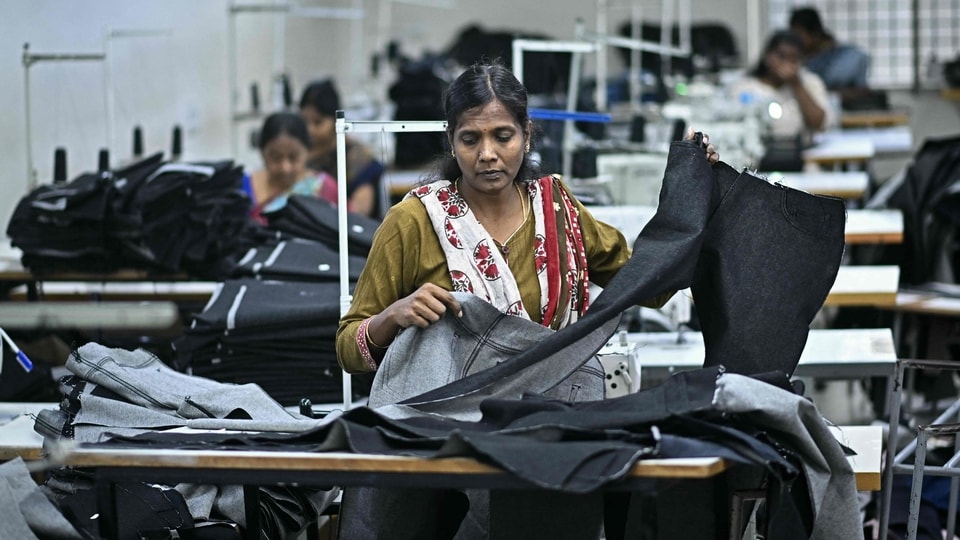
- Manufacturing: Textiles, paints, chemicals, and tires.
- Infrastructure: Cement and fertilizers.
- Consumption: A potential slump in aggregate demand as income and employment in these sectors face downward pressure.
To counter the headwind, the so-called Big 4 consulting firm suggests New Delhi may need to deploy “substantive countercyclical” measures.
This includes mobilising large industrialised states to join central efforts to bolster the Economic Stabilisation Fund (ESF)—a ₹1-lakh crore financial buffer established in FY26 designed to protect the economy against such global crises.


