E-Paper



Mozilla calls out Microsoft, placebo sleep, Stuffcool Lumo, and Xiaomi Sky Nomad
Beyond the regular noise, a closer look at personal technology. 16 July, 2026.

 Prefer HTon Google


Opening thoughts. Mozilla isn’t at best pleased with typical Microsoft tactics. Monopolistic behaviour, is another way to describe it. Mozilla’s published the Over The Edge 2.0 report this week, in which researchers Dr. Harry Brignull and Cennydd Bowles put together the findings of monitoring Microsoft’s deceptive tactics to drive users towards the Edge browser on Windows PC. The conclusion is simple—“Microsoft continues to steer users towards Edge across Windows, Edge, Bing, and now Copilot through deceptive practices that make it difficult for users to download, set as default, and continue using alternative browsers.”

The researchers analysed practices across Windows 10 and Windows 11 PCs in four of Microsoft’s most important markets, that is US, India, UK and Germany. The latter, since it is part of the European Economic Area dictated by the Digital Markets Act, still sees what the report calls a “fairer user experience” for browser choice compared with other regions.
“Microsoft has shown that it can respect user choice. When regulators are watching, they make some changes. We would ask them to do it globally, rather than relying on competition regulation to force their hand,” says Kush Amlani, Global Competition and Regulatory Lead at Mozilla.
According to the report, the researchers find that Microsoft continues to deploy a range of harmful patterns — Trick Wording, Obstruction, Visual Interference, Preselection, Nagging, and Forced Action — at almost every step of the user journey. This simply means Microsoft does not allow people to download and install an alternative browser, or set it as their default, or to continue using it as their default, without some level of interference to stall the process.
There are three key elements to how this unfolds.
- Microsoft still injects a banner directly into the Chrome download page on Google, suggesting users use Edge instead.
- Researchers say Windows Search and Widgets continue to ignore users’ default browser choices and open links in Edge.
- Windows Backup has never consistently preserved browser preferences when users migrate from Windows 10 to Windows 11.
According to the latest numbers from research firm Statcounter’s browser market share report, Google Chrome is the undisputed leader among web browsers, with a 69.65% share at the end of June. The trajectory is clear too—up from 66.7% in March. Apple’s Safari is second at 15.31% while Microsoft Edge, also helped by the default push in millions of Windows computing devices, follows with 5.21% share.
EDITOR’S MARGIN
HUMAN BRAIN > FITNESS TECH
I have a fitness ring to sell you. I want to have an honest conversation about tracking health metrics and specifically sleep tracking. By and large, it is a good idea to have fair visibility on the trends—heart rate, activity routine and so on. But this is one of those things that very easily spills over into the realm of overdone. Not to be taken lightly, because it has an impact. I’ll take you back to a 2014 study, done much before health tracking tech became cool.
Researchers Christina Draganich and Kristi Erdal of the Department of Psychology at the Colorado College noted a very simple thing — Placebo Sleep Affects Cognitive Functioning. I understand Draganich and Erdal saw the future before many others could, and this is certainly not something smart ring and smart band companies would like you to understand.
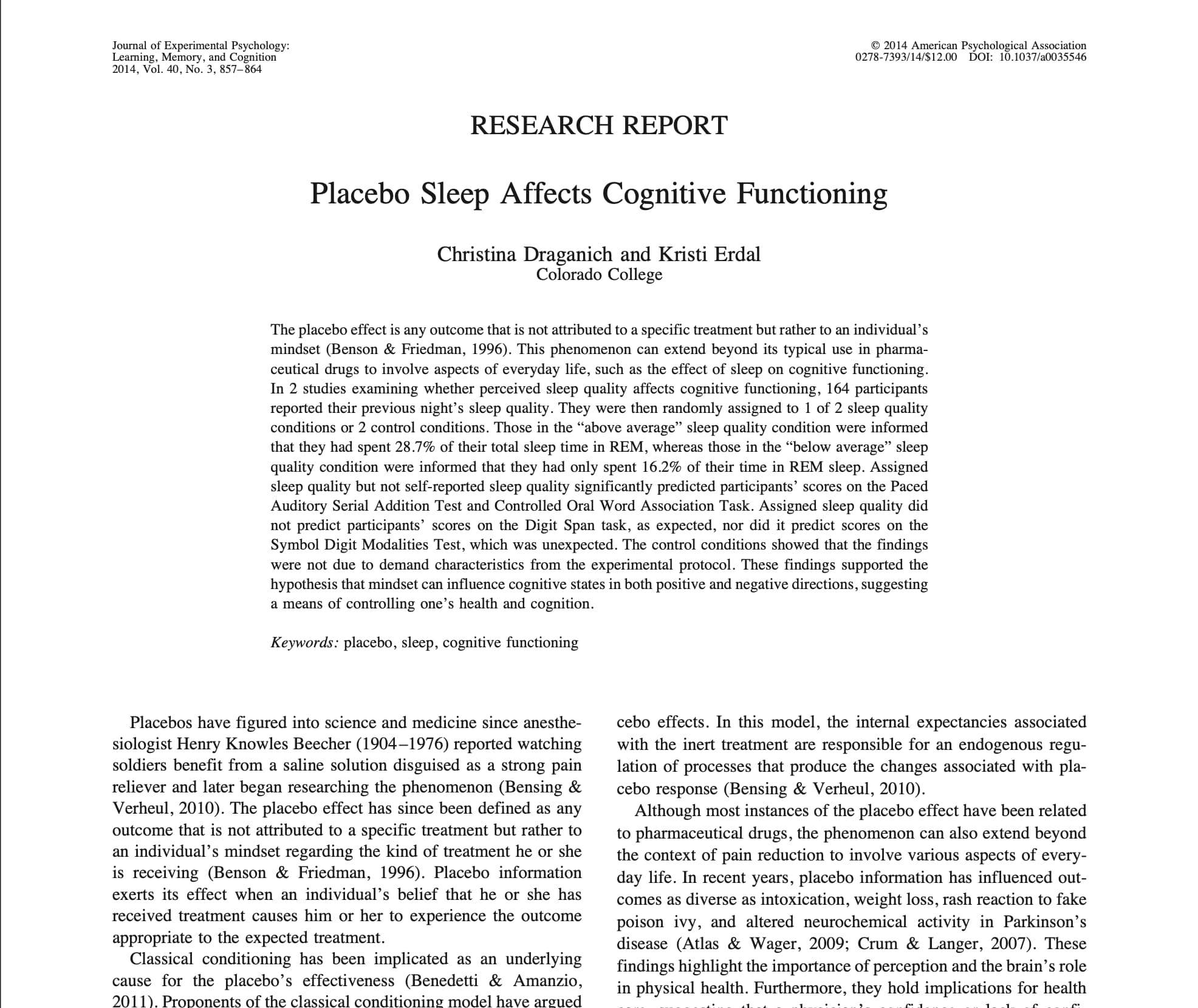
You’d have noticed how little weightage I give to analysing fitness tracking devices. I’ve been through the learning curve that Draganich and Erdal talk about. The tracked data may not always be accurate, the inferences that fitness apps draw may not always be right. Every observation AI sends your way, can play on your mind. If your fitness band tells you that your metrics indicate you’re stressed, you’ll feel stressed for being stressed. It’s the same with sleep.
Data isn’t supposed to try and invalidate how you feel. The algorithm is programmed to tell you 8 hours of sleep is essential. It may be, it may not be. Every individual, every human body works in a different way. Some who have clocked 4 hours of sleep are more productive and a pleasure to talk to during the day, than those 8 hour sleep and fully rested incompetent, work shirking, rude creatures.
The human brain isn’t unreliable. What your body tells you isn’t unreliable. Algorithms can be unreliable. Footballer Erling Haaland cracked this code, instead of bolting on fitness trackers. He simply tells himself “I’m not tired” when in the gym and plateuing, which shifts his perceived exertion and allows him to push. Humans have known how they’ve felt, for centuries. Tech companies can’t suddenly tell us we’ve been wrong all along.
THE LATEST, ON NEURAL DISPATCH
TECH SPOTLIGHT
STUFFCOOL LUMO
This really is very cool. A half moon design, three wireless chargers and a very nice ambient lamp coming together is really a thing of beauty. If only everyone else put in as much effort as Stuffcool has, to make wireless charging hubs this much fun. The lamp is the highlight, the utility is a positive fallout. There’s a certain consideration for spending ₹4,999 on the Stuffcool Lumo, but its uniqueness makes it all worthwhile.
It is suggested that you use a 30-watt fast charging brick with the Lumo, with a Type-C cable (Stuffcool bundles both; and that’s additional value). That will allow proper allocation for 15-watt wireless charging for the Qi2 charger for the iPhone and compatible Android phones, with the other two charging elements. Not exactly very fast, as some newer Qi2.2 wireless chargers, but would work well for top-ups. Or if you are okay leaving the phone on charge through the night. The design allows for the phone to be stuck to the magnetic charger in either orientation. Though I wouldn’t recommend that habit, it still can be used to watch something or keep tabs on sports scores, while charging.
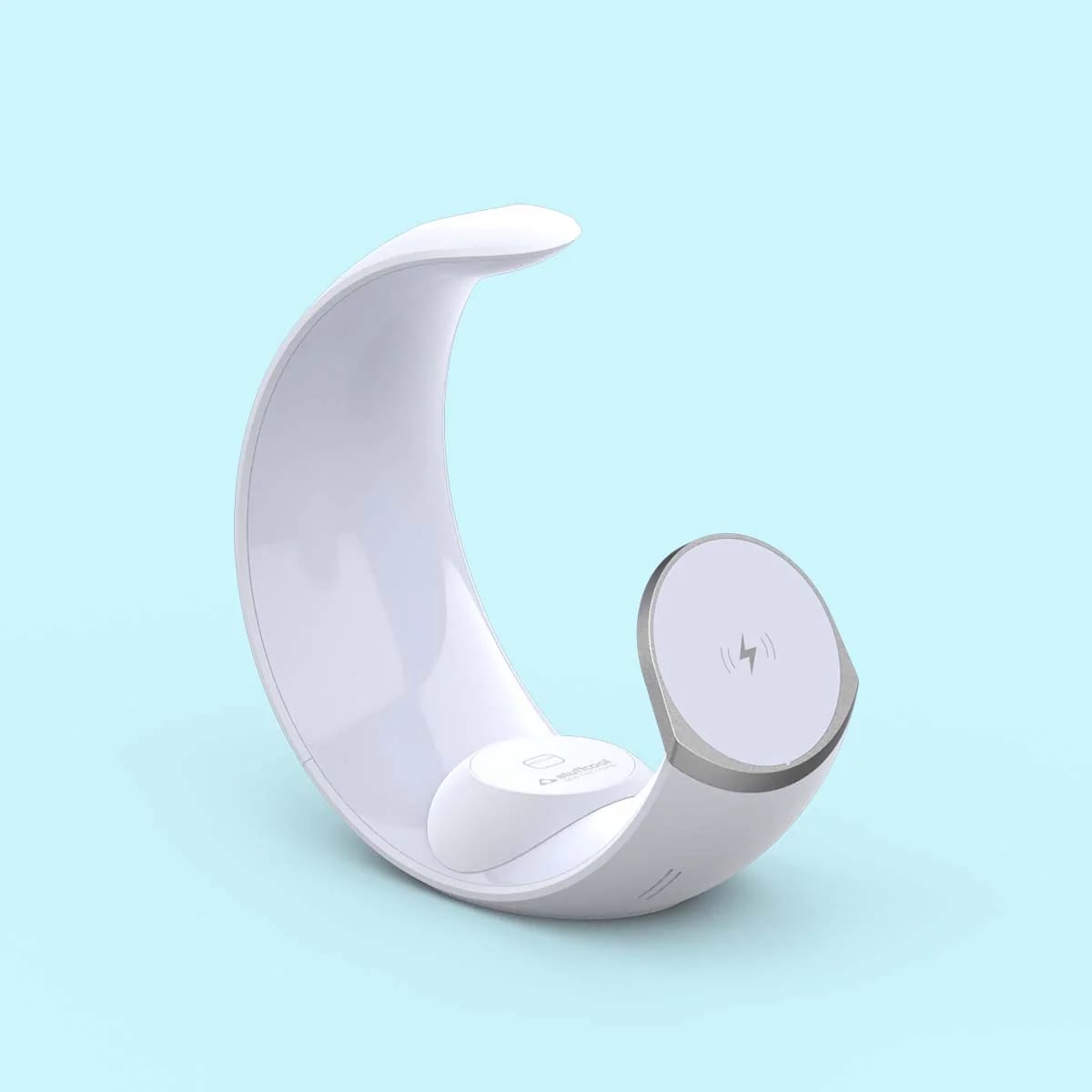
The Apple AirPods and other true wireless earbuds you may be able to charge on this would get around 5-watt charging speeds, while the Apple Watch charging speeds generally hover around 3-watts. The highlight really is the RGB lighting, which works as a beautiful ambient light. There is a singular touch control panel sitting somewhere around where the AirPods would charge—tap to cycle through lighting colour options, and longer press to brighten or reduce illumination. My favourite is the warm yellow light on the work desk at home.
CAR CORNER
XIAOMI SKY NOMAD
There’s quite a lot to be appreciated about Xiaomi’s automotive efforts. The very roots, back in 2024 with the first announcement of the car project by CEO and Founder Lei Jun in 2024, came at a time when it was a tricky time for Chinese automakers and EVs in general. I’d written about the SU7 at that time, and noted an intention for heavy investments. Since them, undeniable success with the SU7 series of performance sedans, the YU7 premium family SUVs and achievements with the YU7 GT at the Nurburgring alongside clear intentions for the next step with the Xiaomi Vision GT concept. They’ve done cutting edge tech. They’ve done gorgeous designs. They’ve done performance and speed. In such a short window of time, most automakers would be looking on in envy.
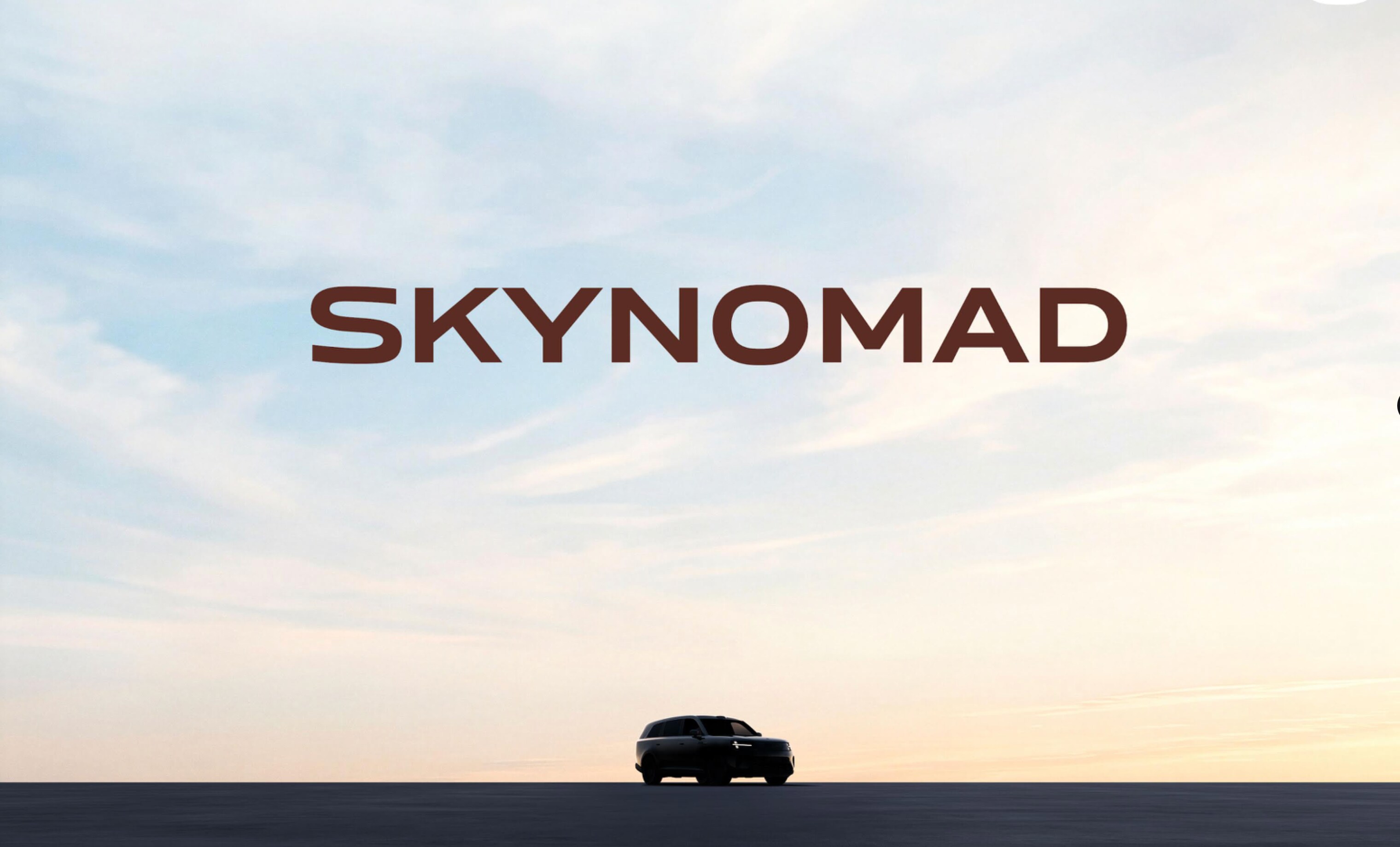
Now, from the left field comes the Sky Nomad. Xiaomi calls this an “intelligent, reconfigurable, large-space SUV”. SkyNomad is built on Xiaomi’s all-new Kunlun Architecture, which has been in development since 2023, with key focus on modularity to an extent. This platform unlocks reconfigurable interior space, a rare thing for cars. Xiaomi points out that the advantage of an SUV body with a flat floor means the seating can be flexible. It can be a typical car, it transform into a workspace or a lounge.
“Our answer was to let intelligence define the space, to build a living interior that moves with you,” wrote Lei Jun, Founder, Chairman and CEO of Xiaomi, in a post on Weibo, talking about the SkyNomad’s development. The SUV launches soon in mainland China, and the target audience is clear— one vehicle to cover daily commuting, family travel, and occasional work-from-car use, that can adapt across roles.