
 E-Paper



Tata-Mistry dispute: Supreme Court to pronounce ruling today
A bench, headed by Chief Justice of India SA Bobde, will rule on the cross appeals filed by Tata Sons Pvt Ltd and Cyrus Investments Pvt Ltd on the 2019 NCLAT order reinstating Mistry


The Supreme Court will on Friday decide on the validity of an order which reinstated Cyrus Mistry as the executive chairman of the over $100 billion Tata Sons after he was removed in a board meeting in 2016.
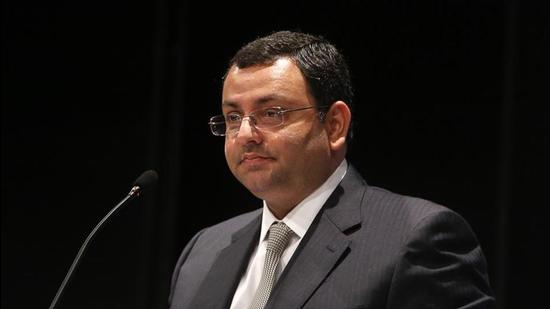
A bench, headed by Chief Justice of India (CJI) SA Bobde, will rule on the cross appeals filed by Tata Sons Pvt Ltd and Cyrus Investments Pvt Ltd on the 2019 National Company Law Appellate Tribunal (NCLAT) order reinstating Mistry. The other members of the bench are justices AS Bopanna and V Ramasubramanian.
The Shapoorji Pallonji (SP) Group has submitted in the court that removal of Mistry as the chairman of Tata Sons in a board meeting held in October 2016 was akin to a “blood sport” and “ambush” carried out without even giving him a prior notice of the agenda.
Also Read | Supreme Court orders status quo on water supply to Delhi
Senior advocate Shyam Divan, representing Mistry, has alleged that the removal was in complete violation of principles of corporate governance and pervasive violation of Articles of Association in the process.
The SP Group has claimed how Article 121 of the Articles of Association of Tata Sons, the flagship company, was used by Tata Trusts headed by Ratan Tata, which owns 66% stake in Tata Sons, to undermine the board. The Cyrus Mistry camp has argued in court that the Tata Trust was consulted before every decision. This was against the tenets of a company which should be managed by an independent board of directors.
Tata Group, on other hand, had vehemently opposed the allegations and said there was no wrongdoing and that the board was well within its right to remove Mistry as the chairman.
Appearing for the Tata Group, senior lawyer Harish Salve has also offered to buy out Mistry family’s 18% stake in Tata Sons at a fair value, if required and if it could be proved that his client indulged in oppressive practices.


