
 E-Paper



WHO issues guidelines on helmet use: Full-face covering, tightly strapped
The World Health Organization (WHO) said that full-face covering helmets that are properly strapped on, reduce fatal injuries by up to 64% and brain injuries by up to 74%.

 Prefer HTon Google


The World Health Organisation (WHO) has issued global guidelines for policymakers on helmet use to bring down road traffic deaths and injuries.
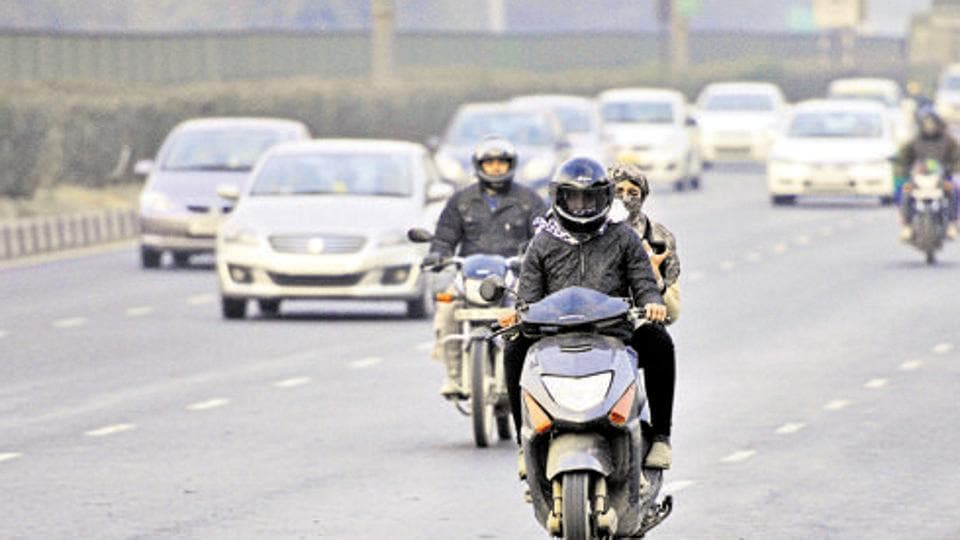
The guidelines have been co-written by experts from the Indian Institute of Technology (IIT). It includes rules on the use of helmets for riders of powered two- and three-wheelers, news agency PTI reported.
The guidelines state that riders should wear full-face covering helmets and they should be tightly strapped to ensure maximum protection.
WHO said that full-face covering helmets that are properly strapped on, reduce fatal injuries by up to 64% and brain injuries by up to 74%.
Dr Nhan Tran, head of safety and Mobility at WHO, said powered two and three-wheeled vehicles were rapidly increasing in many developing countries, adding, however, the use of quality helmets often lagged behind.
“With poor infrastructure, pedestrians, particularly in developing countries, are often left dangerously exposed. Motorcycles, scooters, bicycles and e-bikes continue to proliferate fast and the use of life-saving helmets is a must. Rooted in successful actions and evidence, these manuals (guidelines) set out what works in helping to save lives,” Dr Tran said.
Nearly 30% of all crash fatalities reported to the United Nations health agency involved powered two and three-wheelers, with 43% of all road traffic deaths in the WHO South-East Asian Region involving these types of vehicles, PTI further reported.
The global health body also issued guidelines regarding the safety of pedestrians.
Experts from IIT Delhi said that on a global scale, pedestrians were some of the most vulnerable road users.
Pedestrian deaths rose at nearly twice the rate of all other road crash deaths between 2013 and 2016, the above experts said. However, pedestrian deaths appeared to be grossly under-reported in many developing countries.
Geetam Tiwari, a professor at IIT Delhi, said that in India, pedestrian deaths account for around 30% of all deaths from road traffic crashes.
Tiwari said in some large cities of the country, the proportion of pedestrians killed was up to 60% of all road traffic deaths.
The IIT Delhi professor further listed measures that can significantly improve pedestrian safety such as improving the road environment, strengthening legislation, and enforcement, including actions to educate road users and change their behaviours.
(With PTI inputs)


