
 E-Paper



Chandigarh unlikely to start antigen testing despite ICMR advisory
ICMR has also said that those who test negative on the rapid antigen kit must be retested using RT-PCR given the antigen test’s low sensitivity, while those who test positive needn’t get a retest.

 Prefer HTon Google


Even though the Indian Council of Medical Research (ICMR) has again advised all states and union territories to scale up testing for Covid-19 by deploying combination of various tests, the UT health department has said it will stick to real-time reverse transcription polymerase chain reaction (rRT-PCR) test.
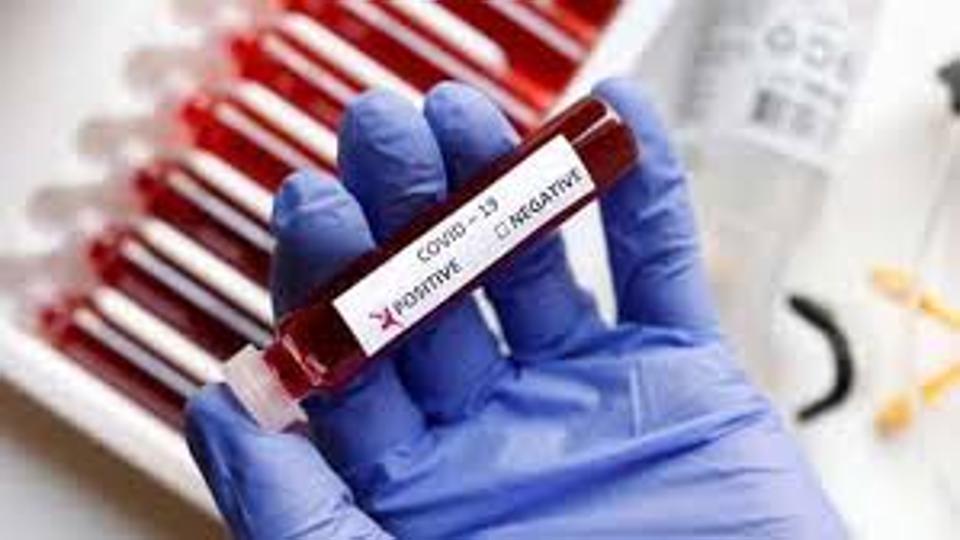
In this type of test, the blood samples are analysed for antibodies using an enzyme-based laboratory test that detects and quantifies antibodies in blood that will determine a past infection due to the virus.
A senior UT official said that the three laboratories established in Chandigarh had the capacity to conduct 1,000 tests in a day, enough to cater to the number of people being diagnosed with symptoms and being recommended testing.
“Besides, there are issues related to the sensitivity and specificity of the antigen testing kits, which have been evaluated to be between 50.6% and 84%, and 99.3% and 100%, respectively,” an official requesting anonymity said.
ICMR has said that those who test negative on the rapid antigen kit must be retested using RT-PCR given the antigen test’s low sensitivity, while those who test positive needn’t get a retest. “That’s why we are totally focusing on RT-PCR testing when the ultimate result has to be provided by it,” the official added.
UT director, health services, Dr G Dewan said the UT had ample capacity for gold standard RT-PCR testing. “The testing for symptomatic patients with influenza-like illness and/are severe acute respiratory illness (SARI) are being tested using RT-PCR. The special emphasis is on patients with comorbidities, for whom the testing capacity is enough. Still, [ICMR’s] proposal is being examined,” he said.


