
 E-Paper



Heatwave enforces lockdown in the north as some cities register record highs
Doctors caution people against venturing out of homes between 11 am and 3 pm, recommend immediate hospitalisation in case of sunstroke


As heatwave conditions prevailed in the region due to dry winds blowing over northwest, central and adjoining interior parts of eastern India, Chandigarh recorded a high of 42.4 degrees Celsius on Tuesday, Amritsar and Ludhiana 44 degrees and Patiala 43.2 degrees, even as the India meteorological department (IMD) advised people to stay indoors and said some relief was expected by March 28.
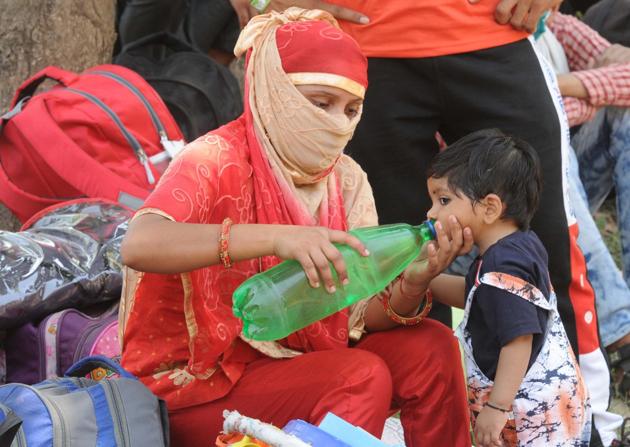
Ludhiana recorded its highest temperature this summer.
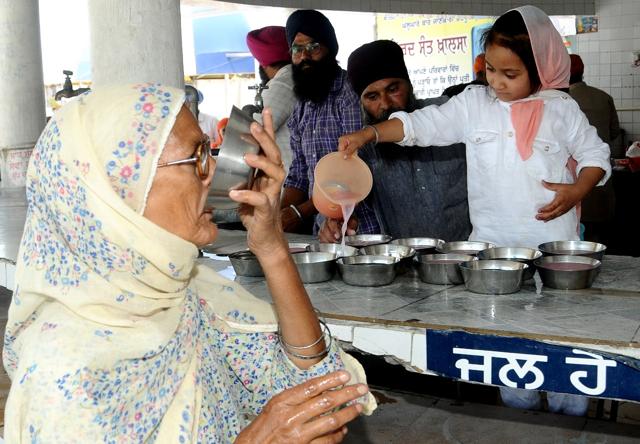
No respite was forecast for Amritsar till after May 27, after which spells of rain were expected. The lockdown due to Covid-19 was making things worse, said resident Gurleen Kaur, “as we are forced to go out to buy essential items and stand in the sun for long hours because of social distancing.”
Drinking water was the best option, said Amritsar based Dr Rakesh Sharma, adding, “people should also keep their body dry to avoid skin infections.”

‘HEAT STROKE CAN BE DANGEROUS’
In Patiala, apart from the lockdown, the heat kept people indoors, with Patiala civil surgeon Dr Harish Malhotra saying the IMD had predicted a severe heat wave with maximum temperatures likely to cross 45°C. Advising people to exercise caution, he said “such high temperatures can lead to a heat stroke, resulting in physiological strain and even death.”
“Wear lightweight, light-coloured, loose and porous cotton clothes and when outside, use protective goggles, umbrella or a hat,” the civil surgeon added, saying children should also not be allowed out
IMD’s deputy director general of meteorology, KS Hosalikar in Delhi, cautioned people to “watch out for hot afternoons and avoid going out between 11 am and 3 pm,” PTI reported.
In Ludhiana, Prabhjyot Kaur, head of the department of school of climate change and agricultural meteorology, said maximum temperatures were expected to stay above 40 degrees, which would be helpful in creating low pressures, favourable for the advancing monsoon current towards the north. Kaur also said western disturbances leading to moderate rainfall by May 29 would bring some respite from the heat in the city.
Heatwave conditions would persist over Haryana, Chandigarh, Delhi, Rajasthan, Uttar Pradesh, east Madhya Pradesh, and Vidarbha till May 28, IMD officials said
No one was taking risks. “Due to the lockdown earlier I was stepping out of home only when necessary, but now I go out only in the evening, said Ranvinder Singh Gill, a resident of Chandigarh’s Sector 8.
As staying dehydrated was necessary, Gill said he had stocked up on lemons and was making the cooling shikanji with lemon juice and black salt.
Chirag Puri, an e-commerce firm employee currently working from home said he found it unbearably warm while getting his car repaired at a workshop. “I am keeping hydrated with glucose and mango shakes and won’t be stepping out now from 1 pm to 5 pm from my house.”
Things were also not easy for traffic policemen. On how they coped, constable Rajiv Sharma said, “We make it a point not to stand in direct sunlight for long and keep moving. We have to keep drinking water so we bring lime water from home to help us.” People in the shops and local residents offered them lemonade in the afternoons, he said.
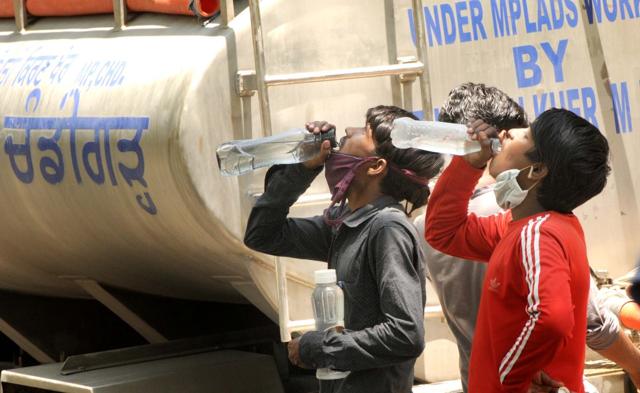
WESTERN DISTURBANCE TO BRING RELIEF
Chandigarh IMD scientist Shivinder Singh said the heatwave in the region had been caused by hot surface winds blowing in from Rajasthan, where at some stations the maximum temperature had crossed 47 degrees C.
Some respite was possible by Thursday when a western disturbance was likely to affect the region. “Cloudy weather and a chance of light rain up to 20mm along with gusty winds up to 40km are likely to bring the maximum temperature back in the 30s,” he said.
UT director health services Dr G Dewan also issued an advisory on Tuesday, asking people to avoid direct exposure to sunlight, staying indoors in well ventilated areas and avoiding electric fans when temperatures shot up.


