
 E-Paper



Why Karnataka passed the Greater Bengaluru Amendment Bill and what it means for Bengaluru: Explained
Karnataka Assembly passed the Greater Bengaluru Governance (Amendment) Bill, 2025, aimed at decentralising governance. Here's everything you need to know.

 Prefer HTon Google


The Karnataka Legislative Assembly on Tuesday passed the Greater Bengaluru Governance (Amendment) Bill, 2025, according to a social media post by Deputy Chief Minister DK Shivakumar.
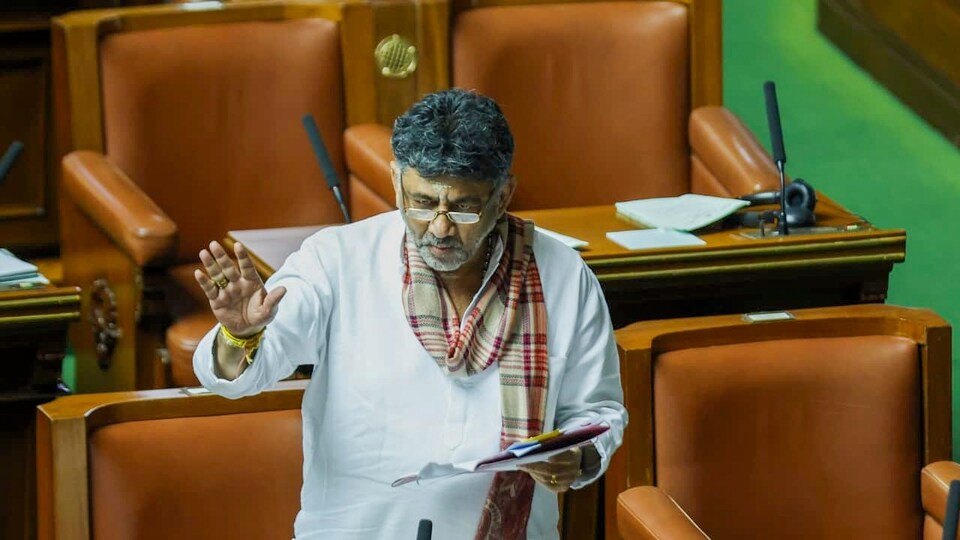
In his announcement, Shivakumar stated that the amendment aims to bring greater clarity, transparency, and decentralisation to Bengaluru’s urban governance framework. The bill addressed key concerns raised over the role and powers of the proposed Greater Bengaluru Authority (GBA).
“Today, I tabled and the Assembly passed the Greater Bengaluru Governance (Amendment) Bill 2025 to ensure clarity, transparency, and decentralised governance for Namma Bengaluru,” DK Shivakumar wrote on X.
What the 2025 Amendment Bill does
According to the DCM's post,
- The amendment makes it clear that the Greater Bengaluru Authority will not interfere in the functioning of corporations.
- Mayors and corporation members will continue to enjoy full powers as per the Constitution.
- The 74th Amendment is fully protected - guaranteeing financial independence, tax collection rights, elections & reservations remain untouched.
ALSO READ | Karnataka Assembly clears bill to rename Bangalore University after Dr Manmohan Singh
Why it was brought forth
Earlier in 2025, the Karnataka Legislative Assembly passed the Greater Bengaluru Governance Bill, 2024, which proposed restructuring Bengaluru’s governance by dividing the existing Bruhat Bengaluru Mahanagara Palike (BBMP) into multiple municipal corporations with the goal of decentralised administration. A coordinating body called the Greater Bengaluru Authority (GBA) was to be established, chaired by the Chief Minister and with the Bengaluru Development Minister as vice‑chairperson.
This bill faced significant opposition from the BJP and civic bodies, who argued it concentrated power in the state government, eroded local autonomy under the 74th Constitutional Amendment and risked diluting the Kannada identity. The Governor even returned it seeking clarifications, citing legal and public concerns.
ALSO READ | 'We didn’t have money to advertise': Nithin Kamath on how Zerodha grew without marketing
A public interest litigation was also filed, which alleged that municipalities were being brought under government control via GBA. Although the court did not uphold the petition, the amendment was introduced to prevent future confusion or litigation, DK Shivakumar said.
The amendment protects municipal autonomy and affirms that mayors and corporators retain full constitutional powers, including taxation, reservations, elections and finances - all guaranteed under the 74th Amendment.
Shivakumar emphasized that this move ensures no future government can misuse the GBA mechanism to override elected municipal governance. “We are ready to consider Opposition suggestions, because Bengaluru’s future is beyond politics. #NammaBengaluru deserves governance that is clear, fair, and accountable. This Bill is a step in that direction,” he said in his X post.


