
 E-Paper



MP government plans to bring law to ease tree felling on private land
Under the new law, the state government is going to relax the norms for cutting trees on private land.

 Prefer HTon Google


Madhya Pradesh state government is coming up with a new tree plantation promotion law which will allow felling of trees on private forest land and degraded forest of about 10 lakh hectares without any permission from the government, said an official. The law, experts said, could harm the state’s frail green cover and movement of wildlife animals.
In Madhya Pradesh, 10 lakh hectares of forest area is under private ownership and 4 lakh hectares belong to standing forest while 6 lakh hectares belong to the degraded forest. The state’s total forest cover is 94,689 sq km.
Under the new law, the state government is going to relax the norms for cutting trees on private land and motivate plantation for doing timber and minor forest produce business, the official said.
The new law would also allow people to transport and do business of timber with private people without obtaining permission of the forest department, said an officer of the MP Forest department.
The law aims to remove red-tapism and allow people, especially farmers, to plant trees to generate extra sources of income, another forest department official said.
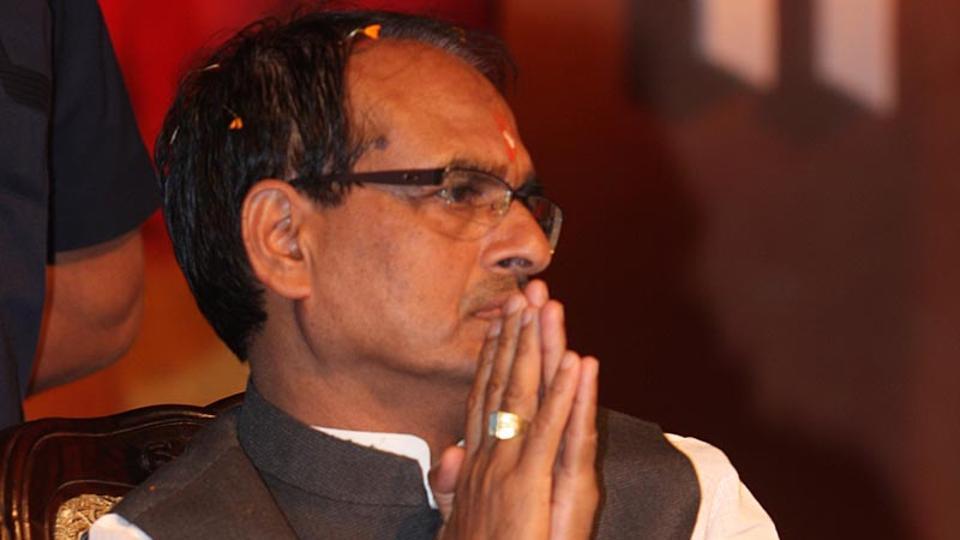
The forest department has sent the draft of the bill to chief minister Shivraj Singh Chouhan and once approved by the CM, it would be put before the cabinet for its nod, another official said.
As of now, MP has two rules to allow people to cut trees on their private land. According to the MP Land Revenue Code 1959 section 240 and 241, a farmer needs to obtain the permission of the tehsildar /sub-divisional magistrate before cutting down a tree. Under the Lok Vaniki Act 2002, farmers need to take permission of divisional forest officer to plant plantations and cut trees on the area of more than 10 hectares of land.
MP’s principal chief conservator of forest, Rajesh Shrivastava, said, “This new law will change the life of farmers. It will help those farmers who don’t want to do farming but want to do timber or minor forest produce business and also to farmers who want to do farming with timber business.”
However, experts feel that it will affect the green cover of the state and can also spoil the corridor between national parks.
Retired forest officer and environmentalist, PN Saxena, said, “This will be a very good law for farmers, but my concern is that of orange areas that are claimed by forest and revenue departments and is used by farmers.”
“There is no clear demarcation of forest land and degraded forest areas owned by farmers so how will the forest department ensure that legality of timber which is being sold or transported by farmers? Similarly, if farmers concentrate more on felling than plantation, how will the government ensure the green cover?” he asked.
Retired principal chief conservator of forest, wildlife, SK Mandol, said, “This is good that MP government wants to motivate timber business, which is a lucrative one, but there are chances of deforestation of private forests, which are being used as a corridor by tigers and other wild animals between Kanha, Satpura, Pench and Bandhavgarh tiger reserves to travel from one place to another, and it will have an adverse effect on wildlife. The state government should consider this while finalizing the draft.”
Wildlife activist and advocate Anshuman Singh said, “In 2019, I filed a petition when the MP forest department de-notified about 60 species of plant and allow farmers to cut and sell these species in an open market. MP High Court stayed that order of forest department to save ecology. Now, they are coming up with a new law. This will be disastrous to give a free hand to farmers for cutting of trees.
Forest department principal secretary Ashok Varnwal said, “The new law might increase felling of trees initially but in long term, it will definitely increase the green cover. Who doesn’t want to earn money easily? The people will themselves plant trees in the rotation to earn money and unlike farming, plantation for timber doesn’t need much care after some months. Why only timber, they can use their land to grow medicinal plants and minor forest produce which are in demand nowadays.”



