
 E-Paper



Popular among tourists, ‘Pujari’ tiger of Bandhavgarh Tiger Reserve, found dead
Pujari was popular among tourists because of his ritual of taking a dip in a waterhole before wandering through the forest

 Prefer HTon Google


A 10-year-old tiger, known as Pujari, was found dead on Monday in Madhya Pradesh’s Bandhavgarh Tiger Reserve’s (BTR) Khitauli range in Umaria district.
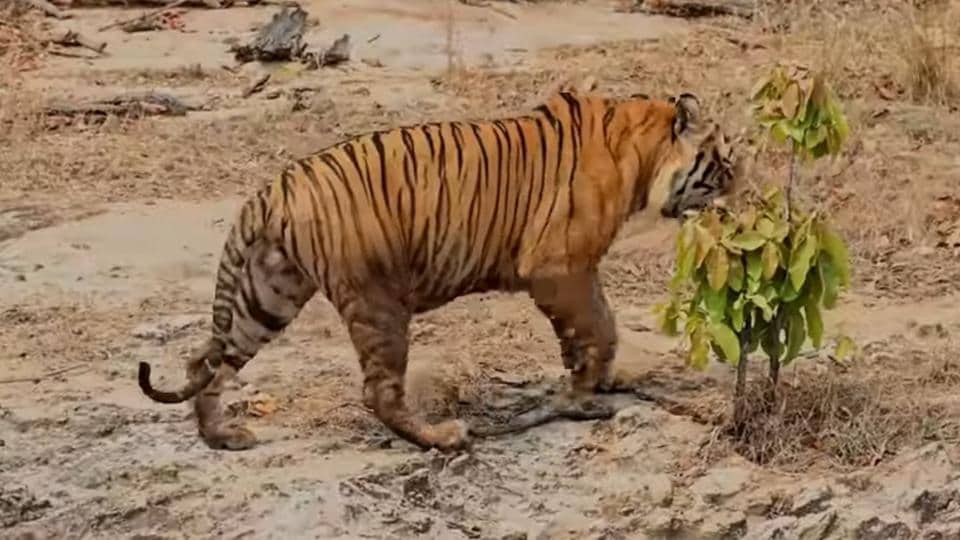
Preliminary findings point to a territorial clash in the Dhamdhama area of the range as the likely cause, officials said.
Pujari was popular among tourists because of his ritual of taking a dip in a waterhole before wandering through the forest. His appearance and distinctive routine made him popular.
BTR field director Anupam Sahay said, “On Sunday night, field staff heard roaring and fighting between two tigers. They maintained a watch, and by Monday morning launched a search operation. The carcass was located in the Dhamdhama area.”
Soon after, a team comprising veterinarians, elephant patrol units, a dog squad, and forensic experts reached the site.
Also Read: Tiger that killed two farmers dies days after arrival at Kanpur Zoo
“Prima facie, the death appears to be the result of a territorial conflict. The body bears attack marks, though all parts were intact. The exact cause will be confirmed after the post-mortem and detailed probe,” Sahay said.
Officials said all subsequent actions are being carried out strictly in line with NTCA (National Tiger Conservation Authority) guidelines and Standard Operating Procedures. A team of veterinarians is currently conducting the post-mortem examination.
Bandhavgarh is regarded as one of India’s most densely populated tiger reserves. With rising tiger numbers, forest authorities are working to redevelop corridors linking Bandhavgarh, Sanjay, and Guru Ghasidas–Tamor Pingla reserves. The aim is to facilitate dispersal of the population and reduce the risk of fatal territorial clashes.



