E-Paper



APAAR:Chandigarh rolls out ‘one nation, one ID’ for students
While parental consent is needed to get minor students registered on this, parents of some private schools in Chandigarh have highlighted how they are being told that it is mandatory

 Prefer HTon Google


The UT education department has rolled out the implementation of an automated permanent academic account registry (APAAR) ID, a 12-digit lifelong digital identity for school-enrolled students who possess a valid Aadhaar ID. The department has set an aim to enrol every school student in Chandigarh for the ID in the 2024-25 academic session as per officials.
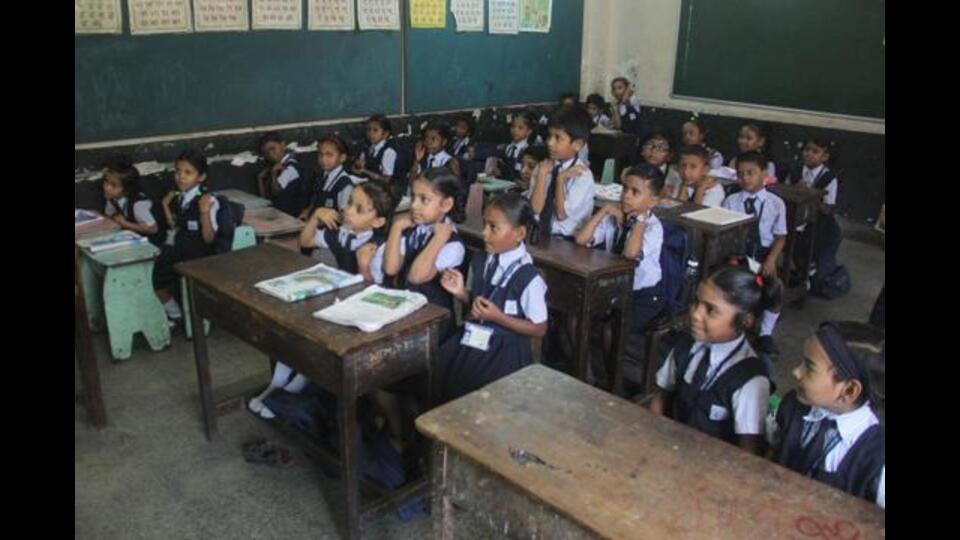
The APAAR ID scheme for schools has been launched by the Union ministry of education from the 2024-25 session. APAAR has been conceptualised under the National Education Policy 2020. Through this, a 12-digit unique code like the Aadhaar code is generated for each student, which can store information on the credits, certificates and co-curricular activities throughout their education journey. Students will also be able to use APAAR ID at the time of admission at various levels of their education.
It can also be used to access Digilocker, a government digitisation service where people can store documents, including mark sheets and certificates. APAAR would eventually become a lifetime ID for students — from pre-primary to PhD.
While it was launched for higher education institutions (HEI) last year and is used to access their academic bank of credits, this year it has been extended to schools as well. The Centre has set a target to bring all students under this “one nation one student ID” initiative by 2026-27.
Speaking about this, UT school education director Harsuhinderpal Singh Brar said, “We have already started getting students from government schools onto this scheme while private schools are also doing it from their end. We are targeting that all students be registered for an APAAR ID by the end of this academic session.”
The principal of a major government school confirmed that the process is going on smoothly. Many government schools have already registered students of the board classes under this scheme and are currently working on classes 9 and 11, and will eventually get it done for the younger classes as well.
While parental consent is needed to get minor students registered on this, parents of some private schools have highlighted how they are being told that it is mandatory.
A parent whose son studies in a convent school in Chandigarh said even with an Aadhaar card, there is a risk of data leaks and misuse, and their queries to the school are being ignored.
The children at the schools are being told the parents must fill out the consent form, while it is not mentioned anywhere in the scheme that it is mandatory.
Independent Schools Association president HS Mamik said the major private schools of the city haven’t undertaken this exercise yet but it shouldn’t be mandatory. “Under the unified district information system for education, the government already has this information for the students and we already have the Aadhar card system. Another such system isn’t needed and we won’t force children to register on it,” he added.
Government school principals, meanwhile, confirmed that the process has been going on smoothly and nobody has objected to it as such, and parents are more interested in the benefits and how the same ID will be used for the children’s higher education as well.