
 E-Paper



Argemone poisoning claims life in Jawalamukhi, alert sounded in HP’s Kangra
The victims had bought the mustard from a local market in Khudian. It is learnt that the wholesaler is based at Paragpur area and it is possible that contaminated mustard seeds may have been sold in other areas as well.


After argemone poisoning, also known as epidemic dropsy, claimed a man’s life in Khundian of Jawalamukhi, an alert was sounded in Kangra district on Friday.
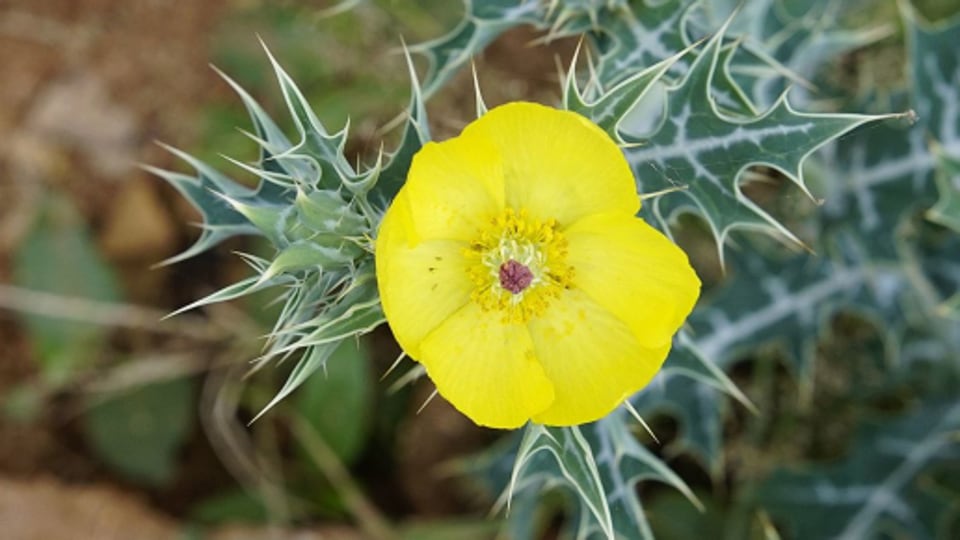
Three other family members of the victim, Vijay Kumar, are also being treated for epidemic dropsy, which is caused after one consumes edible oils contaminated with Argemone mexicana (Mexican prickly poppy), a weed that wildly grows in most parts of the country. Its seeds resemble those of mustard.
Kangra deputy commissioner Nipun Jindal has cautioned people against buying mustard seeds from the open market and using oil extracted from it. “Anyone who has bought mustard from the open market in recent days should not use it or oil extracted from it for their own safety,” said Jindal.
The victims had bought the mustard from a local market in Khudian. It is learnt that the wholesaler is based at Paragpur area and it is possible that contaminated mustard seeds may have been sold in other areas as well.
Meanwhile, Kangra chief medical officer Dr Gurdarshan Gupta said that preliminary investigation suggests that the affected family bought the mustard seeds in August and got its oil extracted in a local mill.
The affected family, after consuming the oil, suffered diarrhoea, vomiting and swelling and redness on parts of their body. “They sought treatment in different hospitals, including the Postgraduate Institute of Medical Education and Research (PGIMER). However, one of the patients succumbed to the disease,”said Dr Gupta.
The family stopped consuming the oil when other members of the family developed similar symptoms, which helped the doctors diagnose the disease. The oil samples have been sent to the lab for further confirmation, he said.
Know the disease
Epidemic dropsy is caused due to the consumption of edible oils adulterated with Argemone mexicana (Mexican prickly poppy). Two major toxic alkaloids – sanguinarine and dehydrosanguinarine – found in the oil cause widespread capillary dilatation, proliferation and increased capillary permeability.
Symptoms
The illness begins with gastroenteric symptoms, followed by cutaneous erythema (redness of the skin) and pigmentation. Other symptoms are bilateral swelling of the legs, often associated with erythema, diarrhoea, dyspnoea, and glaucoma.
Persons of all ages and sexes can be affected, except breastfed infants.
Previous outbreaks
Epidemic dropsy was first reported in Calcutta in 1877. Since then, outbreaks have been reported in several states, primarily in north India.
The 1998 epidemic in New Delhi was the largest outbreak, in which over 60 persons lost their lives and more than 3,000 victims were hospitalised. The last outbreak was reported in a Punjab-based family in 2014.


