
 E-Paper



Biomass shortfall: PSPCL challenges CAQM’s ₹4-crore penalty before NGT
In a rejoinder filed before the National Green Tribunal (NGT) on October 28, the state power utility has questioned the legality of CAQM’s April 1, 2026, order, arguing that the commission failed to exercise its statutory discretion under Rule 5 of the Environment (Utilisation of Crop Residue by Thermal Power Plants) Rules, 2023

 Prefer HTon Google


Punjab State Power Corporation Limited (PSPCL) has challenged the ₹4.86-crore environmental compensation imposed on its Guru Hargobind Thermal Power Plant (GHTPP) for failing to meet mandatory biomass co-firing norms, asserting that the Commission for Air Quality Management (CAQM) imposed the penalty without independently examining the circumstances behind the shortfall.
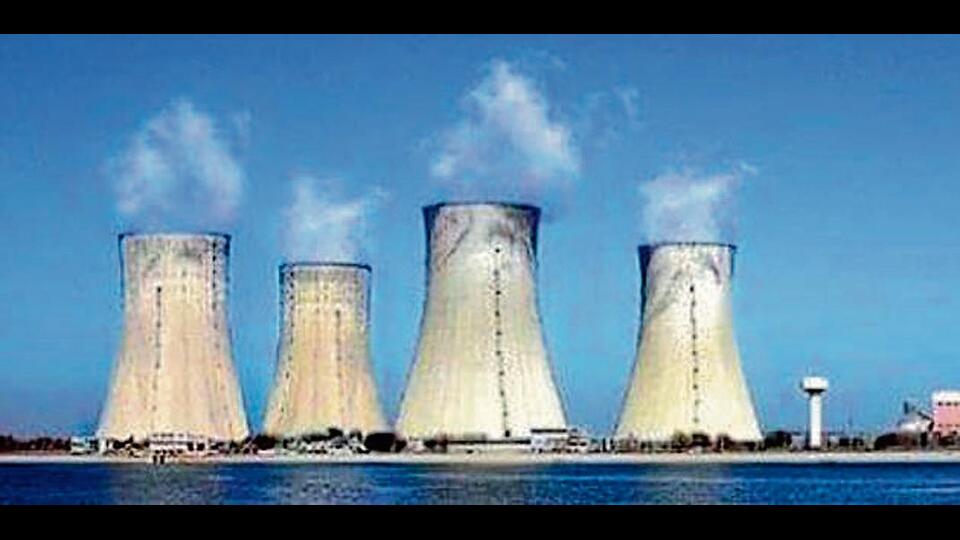
In a rejoinder filed before the National Green Tribunal (NGT) on October 28, the state power utility has questioned the legality of CAQM’s April 1, 2026, order, arguing that the commission failed to exercise its statutory discretion under Rule 5 of the Environment (Utilisation of Crop Residue by Thermal Power Plants) Rules, 2023. The provision allows case-specific relaxation where difficulties arise from circumstances beyond a plant’s control.
In April this year, CAQM imposed the compensation on GHTPP, located at Lehra Mohabbat in Bathinda district, for failing to achieve the prescribed biomass co-firing target during 2024-25.
The extent of the shortfall is reflected in the figures submitted before the tribunal. Against the mandatory requirement of 89,143 metric tonnes, the plant co-fired only 60,685.89 metric tonnes of biomass, leaving a deficit of 28,457.11 metric tonnes. Its achievement was around 2% against the prescribed 3% threshold. CAQM consequently calculated environmental compensation at ₹4.86 crore, applying a rate of ₹0.01 per unit of electricity generated.
PSPCL’s central argument is that a numerical shortfall alone cannot justify the penalty without examining whether the reasons for non-compliance were beyond the utility’s reasonable control.
Questioning the commission’s decision-making process, the corporation has alleged that CAQM relied on the findings of a committee constituted to examine representations from thermal power plants, rather than independently assessing PSPCL’s submissions. It has maintained that the committee’s recommendations could not substitute the statutory determination required from the commission under Rule 5.
Explaining the reasons for the shortfall, PSPCL cited suppliers’ failure to honour purchase orders, procurement and supply-side constraints, and an unexpected increase in coal consumption during 2024-25, which raised the plant’s biomass requirement. It also referred to procurement exercises, follow-ups with defaulting vendors and contractual measures initiated against them.
The utility further highlighted its proposed pellet manufacturing facility in collaboration with NTPC Vidyut Vyapar Nigam Limited (NVVN), saying it was a long-term measure to strengthen biomass availability.
PSPCL has also questioned whether CAQM examined the availability of alternative suppliers who could have delivered the additional biomass within the remaining period of the financial year. It argued that the authorities had not adequately assessed whether defaulting vendors could have been compelled to meet their contractual commitments in time.
The corporation maintained that the committee’s findings and the responses filed by the Central Pollution Control Board (CPCB) did not adequately address these specific circumstances or explain why they did not warrant relaxation.


