
 E-Paper



Chandigarh: Cold wave alert issued, brace for dense fog today
As per the forecast, weather conditions will remain dry throughout the week, but the minimum temperatures are likely to dip sharply, increasing the severity of the cold wave. The cold wave intensity is expected to ease slightly on December 22.


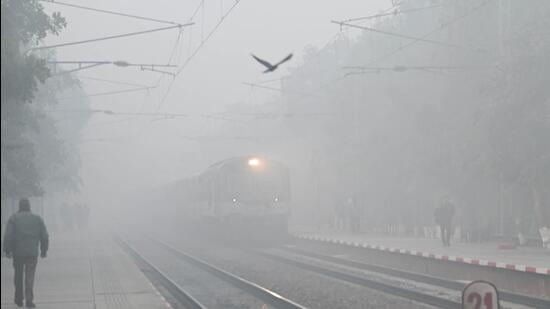
A cold wave warning has been issued for the region in the coming days, with dense fog expected on Thursday. The India Meteorological Department (IMD), Chandigarh, has predicted cold wave conditions at isolated places till December 21, accompanied by dense fog during morning hours, particularly on December 19.
As per the forecast, weather conditions will remain dry throughout the week, but the minimum temperatures are likely to dip sharply, increasing the severity of the cold wave. The cold wave intensity is expected to ease slightly on December 22.
The minimum temperature remained 6.6°C on Tuesday night as well, which was one degree below the seasonal average. The maximum temperature on Wednesday was recorded at 24.8°C, four degrees above normal, indicating fluctuating weather conditions.
IMD Chandigarh said the region will likely experience dry weather with moderate to dense fog on December 19. The maximum temperature is expected to range between 22-24°C, while the minimum could drop to around 5°C. From December 21, colder conditions are anticipated, with minimum temperatures potentially falling to 2-4°C at isolated places.
Fog formation, caused by suspended water droplets, significantly reduces visibility, with dense fog classified as visibility between 50m-200m and very dense fog as less than 50m. The IMD has advised caution during travel, as dense fog could affect road safety. Residents are urged to stay warm as cold wave conditions, defined as minimum temperatures below 10°C and at least 4.5°C below normal, persist.


