
 E-Paper



Chandigarh: GMCH-32 to raise awareness on retinoblastoma among parents, teachers
Shedding light on the critical issue affecting children under the age of 5, GMCH-32 will launch World Retinoblastoma Awareness Week (May 12-18) in Chandigarh on Sunday

 Prefer HTon Google


The lack of awareness and acceptance surrounding retinoblastoma, a rare yet deadly eye cancer affecting young children, poses a significant challenge in combating the disease effectively, says health experts at Government Medical College and Hospital (GMCH), Sector 32.
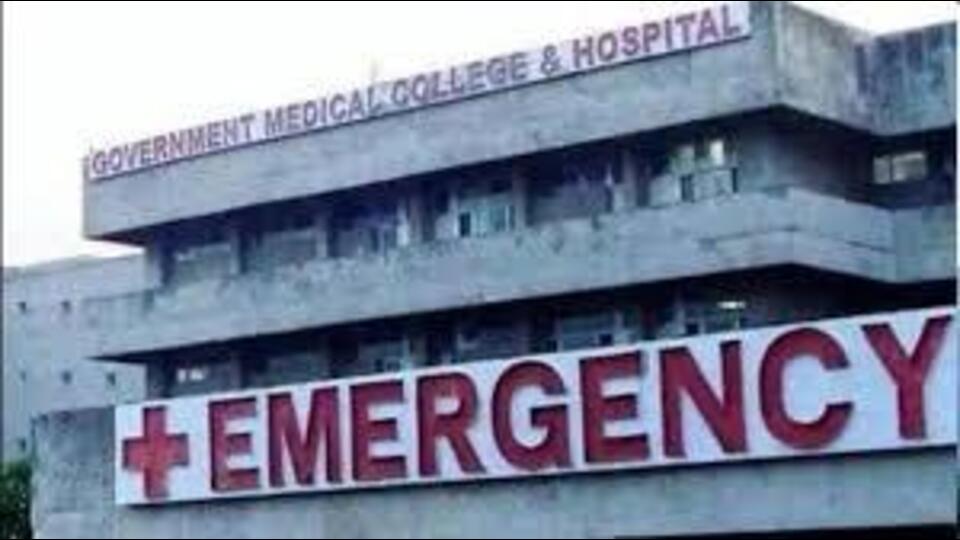
Shedding light on the critical issue affecting children under the age of 5, GMCH-32 will launch World Retinoblastoma Awareness Week (May 12-18) on Sunday. Doctors from various specialties who treat the condition will participate in the event.
Retinoblastoma primarily strikes children aged 2 to 5 years. This form of cancer presents various symptoms, including a white glow in the eye, squinting, redness, eye prominence and reduced vision, explained Dr Subina Narang, professor at department of ophthalmology.
With early detection, family history can play a crucial role, as retinoblastoma often runs in families, affecting both eyes in 80% of familial cases, added Dr Narang.
She said during this awareness week they will reach schools and kindergartens to raise awareness among parents, teachers and primary healthcare providers. The survivors will attend the special programme at GMCH-32 and a walkathon from Rock Garden to Sukhna Lake will also be conducted during this week.
Despite its rarity, retinoblastoma accounts for 4% of childhood cancers, with over 2,000 new cases reported annually in India alone.
The delay in seeking medical attention remains a concern as prompt diagnosis increases the chances of effective treatment. Fortunately, with advancements in medical interventions, approximately 90% of affected children can be saved, explained Dr Narang.
In the era of digital photography, capturing a white glow in a child’s eye can aid in early detection. Numerous apps are available to assist in identifying this telltale sign.
Ophthalmology department head Dr Suresh said, “Treatment options vary based on tumour size, ranging from cryoablation and thermotherapy for smaller tumours to intra-arterial chemotherapy or localised radiotherapy for larger ones.”
Failure to treat retinoblastoma promptly can result in the loss of the affected eye or even spread to other parts of the body. Lifelong monitoring is essential to detect any recurrence or distant spread early on, he added.


