
 E-Paper



Chandigarh: Kataria green-lights need-based changes policy for CHB houses
The decision, cleared on Thursday, accepts most of the recommendations of an 11-member panel constituted last month to review the policy notified on January 3, 2023, which had been put on hold following directions from the Supreme Court of India

 Prefer HTon Google


In a move that is set to benefit nearly 40,000 Chandigarh Housing Board (CHB) allottees, UT administrator Gulab Chand Kataria has approved the revival of the need-based changes policy, albeit with key modifications recommended by an expert committee.
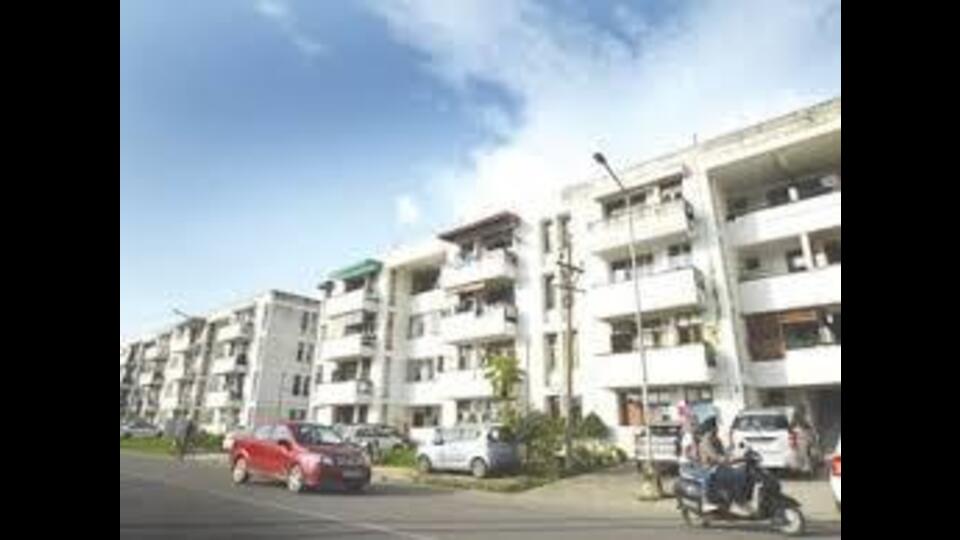
The decision, cleared on Thursday, accepts most of the recommendations of an 11-member panel constituted last month to review the policy notified on January 3, 2023, which had been put on hold following directions from the Supreme Court of India. Of the 28 clauses in the original policy, the committee has dropped three while keeping certain provisions on hold pending further clarification.
One of the major recommendations relates to independent CHB houses, particularly in Sectors 46, 43, 38 (West) and Manimajra. The panel observed that the provisions of the Chandigarh Building Rules (Urban), 2017, cannot be uniformly applied to these houses in the same manner as marla houses governed by the Chandigarh administration. It has sought further clarity before allowing any changes under this clause.
The committee also flagged practical constraints in installing rooftop solar panels across all CHB dwelling units. Although the 2023 policy permitted solar installations, subject to consent from residents and structural safety certification, the panel noted that structural limitations make such installations unfeasible in several buildings.
Additionally, the committee rejected a proposal allowing balconies projecting up to three feet across the full width of front and rear courtyards where none existed originally, citing structural safety concerns.
The need-based changes policy has undergone several revisions since its introduction in 2010, with updates in 2015, 2016, 2019 and 2023. However, its implementation was halted after the apex court, in its January 10, 2023 order, barred the conversion of residential units into independent floor-wise apartments in Sectors 1 to 30, part of the heritage zone planned by Le Corbusier. The court also directed the Chandigarh Heritage Conservation Committee to examine re-densification concerns and freeze any increase in floor area ratio in these sectors.
Over the past four decades, CHB has constructed around 68,000 flats across categories, with officials estimating that nearly 80% have some form of structural alteration. In the absence of an operational policy, the board had been unable to regularise these changes.
Nirmal Dutt, chairman of the CHB Residents’ Federation, welcomed the move but expressed cautious optimism. “We hope residents will finally get relief, but with the removal of key clauses, the overall benefit may be limited,” he said.


