
 E-Paper



Chandigarh: Large fish in Sukhna Lake to be harvested to maintain ecological balance
The removal of large fish will amplify food availability for the small fish and omnivorous migratory birds, said Vinod P Kavle, secretary, animal husbandry and fisheries, Chandigarh

 Prefer HTon Google


From Monday, the UT department of animal husbandry and fisheries will be undertaking a week-long activity to harvest all large fish from Sukhna Lake, in a move to maintain its ecological balance.
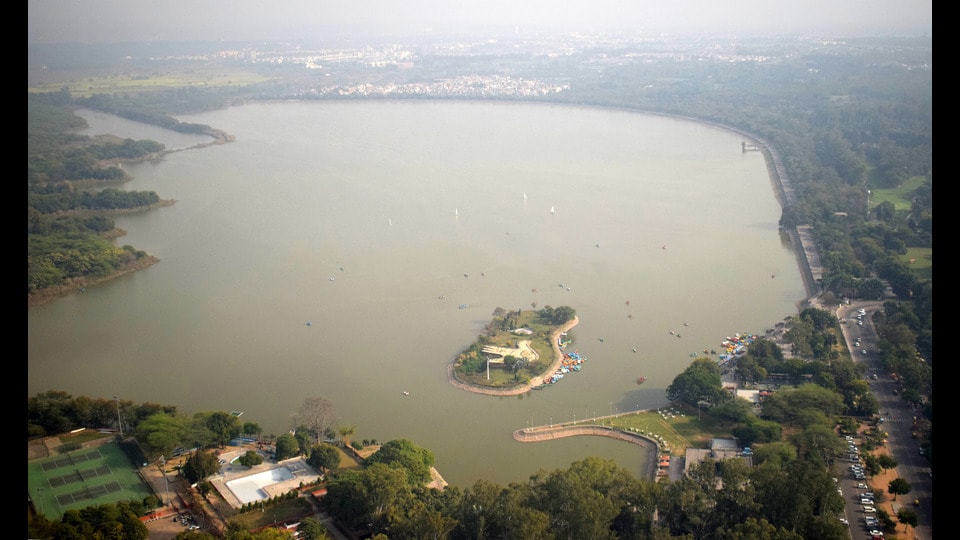
The man-made, rain-fed lake is home to 30-odd species of fish, including major Indian carps and some exotic carps. Every year, the department stocks carps for the lake, while fish from surrounding areas are washed into the water body during monsoon.
Experts say trouble started after 1985, when the administration stopped auctioning of selective fishing rights at the lake, resulting in aging of fish that began living off small fish, creating feeding problems for the smaller breeds.
“Sukhna is a small lake that, unlike larger lakes, has specific requirements of ecological management of flora and fauna as they are very sensitive to changes. The forest department had recommended the removal of big fish after unusual mortality was reported in the last rainy season. The activity will be carried out from March 13 to 22 in consultation with the UT forest department and Panjab University’s zoology department,” said Vinod P Kavle, secretary, animal husbandry and fisheries, UT.
“The removal of large fish will amplify food availability for the small fish and omnivorous migratory birds. The fishing will be done with gill nets of a specific mesh size, not less than 6 cm, to protest small fish. The nets will be deployed at night (8 pm to 6 am) to avoid interference with public’s recreational activities,” the secretary said, adding that some of the harvested fish will be given to the PU zoology department’s research scholars, studying bio-diversity of fish at Sukhna, while the rest will be auctioned.
To rejuvenate Sukhna’s fish and fauna, new fish seed will be released in coming days in consultation with experts and new varieties of fishes will also be reared, he added.


