
 E-Paper



Chandigarh: Temporary plant for wet waste moves one step closer to reality
Chandigarh MC floats tender, inviting bids from private firms to set up and operate the plant, which will help completely process city’s daily wet waste


Aiming to effectively tackle city’s daily wet waste, the Chandigarh municipal corporation on Friday floated tenders for setting up a temporary composting plant in Dadumajra.
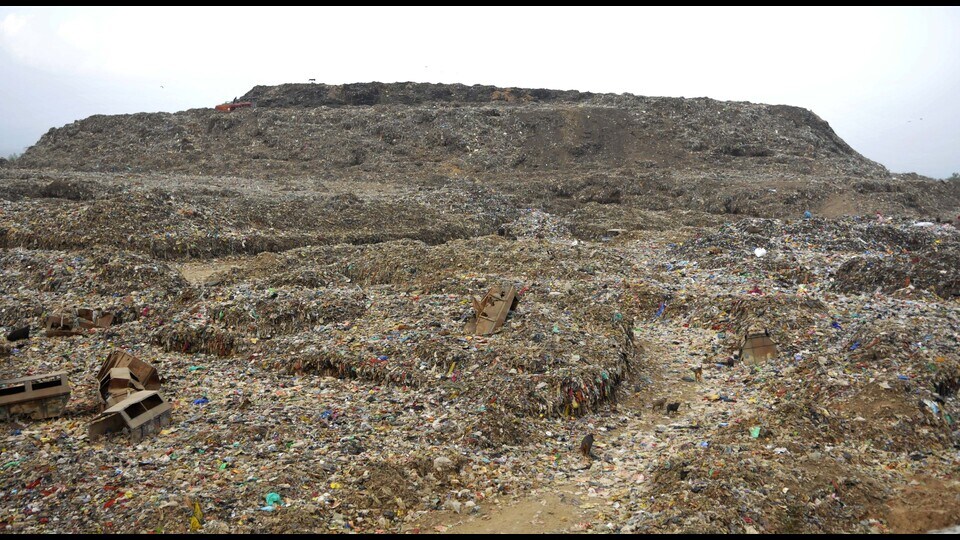
Estimated to cost ₹10.53 crore, the proposed plant will have the capacity to process 200 metric tonnes (MT) of wet waste daily and will be set up on 5 acres cleared at the Dadumajra landfill through bio-mining of legacy waste.
MC plans to hire a private firm to construct, manage and operate the plant, which will work for two years or till the integrated waste management plant is made operational, whichever is earlier.
The corporation will bear the cost of setting up the temporary plant, while the hired firm will provide machinery, manpower and any other related items.
MC commissioner Anindita Mitra, while sharing the project details, said, “The plant will have the latest technology and scientific procedures for composting wet waste. The plant will be set up by December this year and following that, we will be able to compost the entire wet waste being generated in Chandigarh daily.”
The city generates around 550 metric tonnes (MT) of garbage daily, of which a sizeable 374 MT is wet, while the remaining is dry.
The existing waste management plant in Dadumajra, even after upgrades and extensions, is able to process less than 200 MT of wet waste daily. Consequently, the civic body dumps around 174 MT of unprocessed fresh wet waste at the Dadumajra landfill everyday.
Though MC has initiated the project to set up an integrated waste processing plant in the area, it will take around 24 months to get operational, which includes the construction period after allotment of project.
In the meantime, if the wet waste is not managed, another mountain of approximately 2 lakh metric tonnes of legacy waste can rise in the next 2.5 years, which will require over ₹20 crore to be managed through bio-mining.
Besides, it will lead to pollution and generate leachate, creating hardship for people living in the vicinity. The temporary wet waste plant is aimed at avoiding this.
A total of 12.67 lakh MT legacy waste at the landfill is already being bio-mined to reclaim over 25 acres of land. Of this, 5 lakh MT dumped before 2005 has been processed. Another 2 lakh MT of 7.67 lakh MT waste dumped after 2005 has also been bio-mined, leaving 5. 67 lakh MT waste at the site.
“We are aiming to bio-mine the remaining legacy waste by January 2024,” Mitra added.


