
 E-Paper



Chandigarh vision document finding: Patients from nearby states burdening government hospitals
Of the 81,387 patients admitted at PGIMER, 40.5% patients were from Punjab, 20.5% from Haryana, 13.7% from Himachal Pradesh, 13.4% from Chandigarh


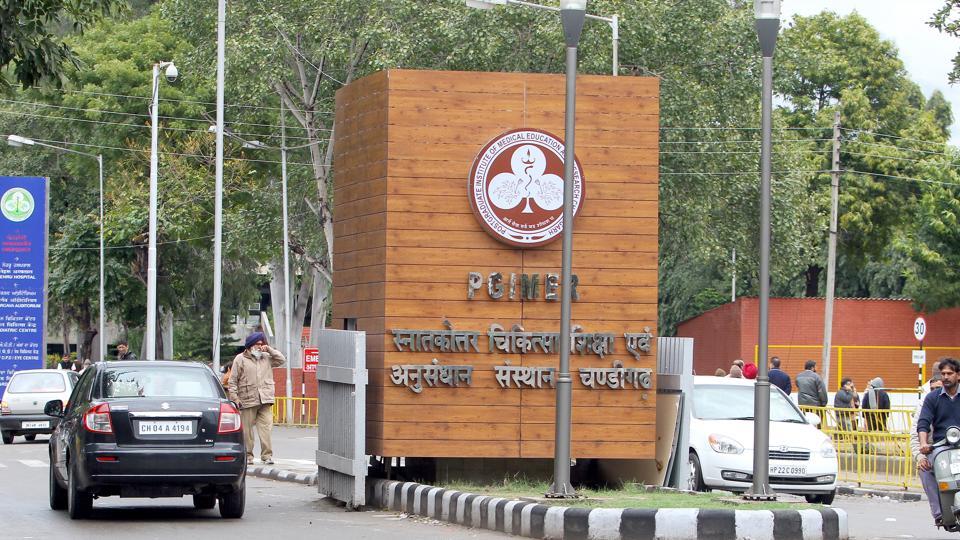
The three major government hospitals in the city — the Post Graduate Institute of Medical Education and Research (PGIMER); Government Medical College and Hospital (GMCH), Sector 32; and the Government Multi-Specialty Hospital, Sector 16, are overburdened with patients being referred to them from neighbouring states, UT administration’s vision document has revealed.
The vision document reveals that patients not only from other states in the country, but abroad as well avail medical facilities at the city’s government hospitals.
PGIMER, as it stands, is the most overburdened with referrals. In the financial year 2021-22, as many as 81,387 patients were admitted at PGIMER, of which 40.5% patients were from Punjab, 20.5% from Haryana, 13.7% from Himachal Pradesh, 13.4% from Chandigarh. Other patients hailed from Uttar Pradesh, Jammu and Kashmir, Uttarakhand and other parts of the country.
As per the UT health department authorities, patients from neighbouring states are being unnecessarily referred to city hospitals — with some even citing avoidable reasons like ‘non availability of obstetrician’ to refer patients to the labour rooms at PGIMER and GMSH-16.
While hospitals like PGIMER and GMCH-32 are tertiary care facilities, routine patients that can be treated at state-level hospitals are also referred and patients with complex health conditions do not get required facilities, the report further noted.
What does the report suggest?
The need for supporting infrastructure for families of patients, their attendants and caretakers featured prominently in the document.
“The need for infrastructure including support services for patients who come for OPD consultations only. The UT health department should make a ‘green corridor’ for inter hospital referral among PGIMER, GMCH-32, GMSH-16, civil hospitals, especially for gynaecology paediatrics, emergency, trauma, stroke patients so that there is smooth communication and proper referral mechanism for fast and smooth transfer of referred patients from one facility to other facility,” the report suggested.
The document also highlighted the need for coordination with traffic police for fast and safe transportation.
‘Turn to health centres’
The report added that health centres, located in different parts of the city, should be the first point for availing not only primary healthcare, but also for added services such as emergency, oral, mental, eye, ENT services and palliative care.
“The health centres will have to be augmented with additional facilities, medical staff to support the added services and their uptake. This will help to reduce the patient load on PGI, GMCH-32, and GMSH-16. Also, there should be 2-3 more tertiary care centres in Chandigarh to reduce excessive load on the emergency in existing institutes,” the report further said.
Aiming to make Chandigarh the most sustainable city in the country by 2030, the UT administration had on November 7 launched its vision document — Future Ready Chandigarh 2030 and Beyond. The document covers vision statements, short and long-term action points for the city across various areas.


