
 E-Paper



Drug awareness drive in Haryana goes digital with podcast series
HSNCB launches a podcast to raise drug awareness and connect the public with police efforts, discussing challenges like pharmaceutical drug abuse in Haryana.


: In a yet another digitally driven innovative move, the Haryana State Narcotics Control Bureau (HSNCB) has started a podcast series to create awareness about drugs and mobilise public opinion to combat this menace.
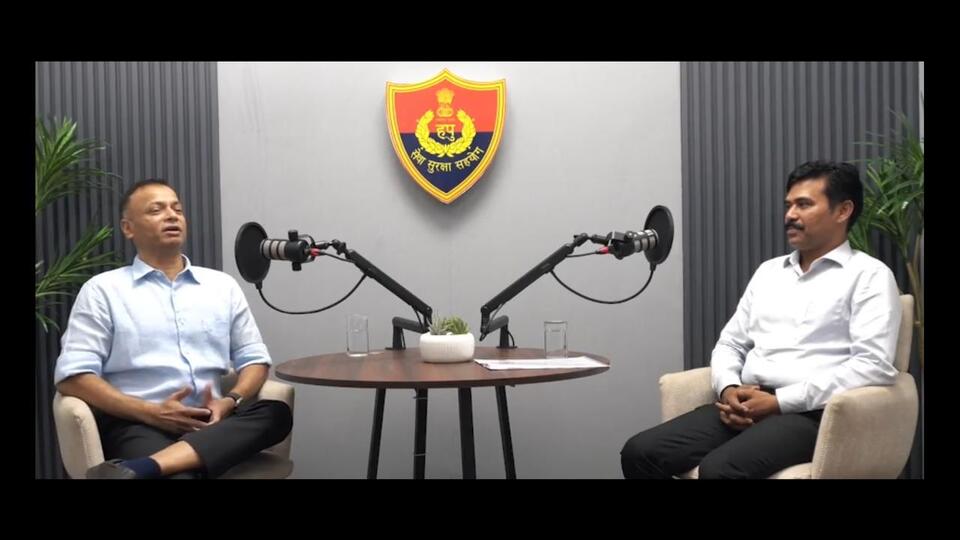
The initiative, spearheaded by HSNCB director general (DG) OP Singh is an attempt to connect the public with often unseen work of the police through candid conversations with officers working on the ground.
In its latest episode, the HSNCB chief sat down with two deputy superintendents of police (DSPs) Jagbir Singh and Satyender to discuss some of the biggest challenges the anti-narcotics drive is facing in Haryana.
The next edition of the podcast will feature officers working on rehabilitation and de-addiction initiatives, continuing the Bureau’s effort to present a 360-degree view of its anti-drug mission.
“This podcast is a bridge between the public and the police, offering authentic, unfiltered narratives from ground operatives who are at the heart of this critical enforcement effort,” OP Singh said.
The conversation with DSPs in two different episodes touched on the growing abuse of pharmaceutical drugs as cheaper alternatives to hard narcotics, and the complexities involved in tackling inter-state drug trafficking networks.
The conversation offers listeners an insight into the operational realities of drug enforcement like the patterns, tactics, and human costs.
PHARMACEUTICAL DRUG ABUSE ON RISE
The one portion of the podcast zeroed in on the disturbing rise in abuse of pharmaceutical drugs such as Tramadol, Tapentadol, Alprazolam, and codeine-based cough syrups. These medications--legal when prescribed-- are increasingly being misused as substitutes for costlier and harder-to-source drugs like heroin and opium, said Singh.
According to the DSP heading the HSNCB’s pharmaceutical enforcement wing, peddlers are exploiting legal loopholes and vulnerable supply chains to make these drugs available on the black market. “These tablets are cheap, easy to conceal, and often fly under the radar,” he said, adding that teenagers and first-time users are particularly vulnerable due to the low cost and easy availability.
The DGP underlined the need for tighter surveillance over medical supply chains, routine pharmacy audits, and public awareness about the hidden dangers of so-called ‘milder’ drugs. “The damage these pharma drugs do — to health, families, and futures — is just as devastating,” he said, adding that Haryana has seen a record number of arrests of inter-state smugglers in the past year.
WHY A PODCAST, AND WHY NOW?
According to Singh, there is no better way to gain public confidence than to speak directly, truthfully, and transparently. “These podcasts allow people to hear from those who are not just in uniform, but in the thick of action,” he said, pointing out that this medium also serves as a morale booster for field operatives, whose painstaking efforts often go unnoticed.
“What they say is not filtered through headlines, agendas, or studio debates . It is the truth from ground zero. HSNCB podcast is helping demystify policing, build trust, and foster community participation in the fight against drugs.”
The decision to start awareness via the podcast comes close on the heels of Haryana recording a 29% rise in serious drug-related cases registered between January and June this year under the Narcotic Drugs and Psychotropic Substances (NDPS) Act. Police registered 1,858 first information reports (FIRs), up from 1,657 during the same period in 2024. Till June in 2025, Haryana Police registered 233 commercial quantity cases against 166 last year, showing a nearly 29% jump, as per official data.


