
 E-Paper



Sunrays: Bask in the Sun’s benevolence, upwards and onwards
Makar Sankranti is believed to be the most auspicious festival as it marks the upward movement of the Sun away from the Tropic of Capricorn; from the Southern Hemisphere towards the Northern Hemisphere

 Prefer HTon Google


The dates of most of our festivals are not fixed as they are determined by the lunar calendar. However, Makar Sankranti falls on January 14 and 15 every year as it is celebrated according to the solar calendar, after all we pay obeisance to the Sun on the festival.
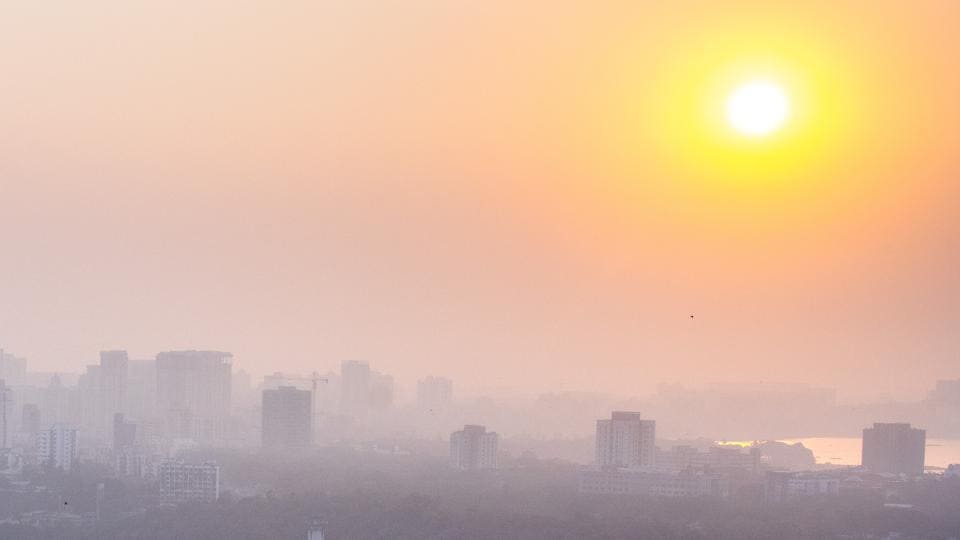
As the story goes, when man sought to find proof of God, he found it in the Sun, a pratyaksh devta, whom we can see and feel. The Sun does not emit light for itself, it does it to provide sustenance, warmth and light to all other life forms, we should follow suit as well. On the festival, we chant the gayatri mantra and donate food, clothes, and milk.
Makar Sankranti is believed to be the most auspicious festival as it marks the upward movement of the Sun away from the Tropic of Capricorn; from the Southern Hemisphere towards the Northern Hemisphere. It is also called uttarayan, which means the Sun is moving towards the North.
It marks the entry of the Sun into makar-rashi, Capricorn. As this marks the beginning of the harvest festival, farmers celebrate their produce and offer them to the Gods as thanksgiving.
The festival has many names, Maghi, Bihu, Pongal, Shishur Saenkraat, and Suggi Habba. While celebrations vary from state to state, they all centre around prayers, feasting, dancing, and singing. In the North, Makar Sankranti falls on the day after Lohri, so everybody huddles around a bonfire and enjoys Til, Bhugga and Gacchak.
My mother would always make chane ki dal ki khichdi on the festival and serve it with curd for breakfast. A diet of Til Bhugga etc generates a lot of heat in the body, and khichdi acts as a coolant thereafter!
With the year being the international year of millets, one can experiment with bajre (pearl millet) ki khichdi, which is hands down the yummiest khichdi in the world! Temper it with hot ghee and red chilli powder and have it with curd! Delicious!
In the run-up to Makar Sankranti, kite flying is another tradition. Besides the fun, it exposes one to the Sun after days of staying indoors in the cold and fog of North Indian winters. Flying a kite on Sankranti is like applying a balm on a wound! In the garb of culture and tradition, our health is also taken care of
The best explanation of the word Lohri is Lo-Hari (Take Lord!), which translates to a prayer written by Sri Sathya Sai Baba,
“Oh Lord! Take my Love and let it flow in fullness of devotion to Thee.
Oh Lord! Take my hands and let them work incessantly for Thee.
Oh Lord! Take my Soul and let it be merged in One with Thee.
Oh Lord! Take my mind and thoughts, and let them be in tune with Thee.
Oh Lord! Take my everything and let me be an instrument for Thee.”
Our culture is designed in such a manner that after every few days and months there is a festival that brings an opportunity to celebrate life as well as thank God for His bounties and contemplate on the purpose of our Earthly sojourn.
The North is considered to be the direction of everything auspicious, so we celebrate the Sun journeying towards the North. Moving northwards means moving towards positive thoughts, and good deeds. If man too starts moving towards thoughts of God, it amounts to the same thing. The real northward journey happens inside us!
priyatandon65@gmail.com
The writer is a Chandigarh-based freelance contributor


