
 E-Paper



Guest column | It’s time to reboot India’s broken policy machine
As the policy ambitions of politicians rise on unsustainable premises, civil servants’ declining resilience is making the ‘spoils system’ more entrenched


Jonathan Slater, former permanent secretary, department for education, England, once said there was a need to fix Whitehall’s broken policy machine. He was referring to civil servants, the permanent establishment of the government, and claimed that they were losing their sheen in the framing of public policies.
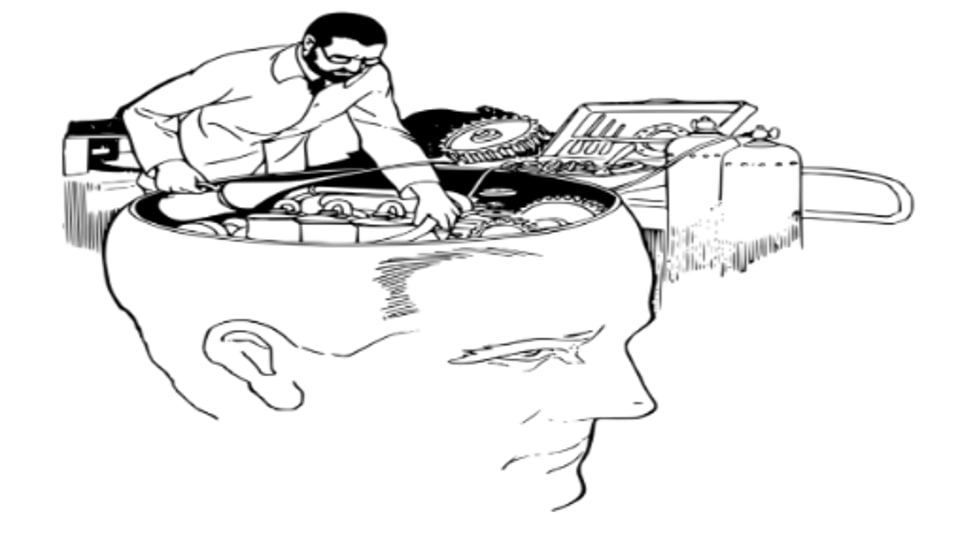
India, whose policy machine – administered by civil servants and controlled and superintended by political executives –is getting bigger, is in a similar position. An increase in the size of the civil services has meant that decision-making has become slower, and delivery is not improving as fast as it should. The civil services should be of the right size to prevent rusting.
However, during the pandemic, civil servants and political executives, maybe a select few, did portray the desired resilience, but it is not true of all times.
As repositories of historical data, information, and knowledge, civil servants are expected to know the rules and regulations to ensure their implementation in letter and spirit. Senior civil servants are all the more responsible for distinguishing right from wrong, and ensuring that what is right prevails.
Politicians bring politics into governance. There should be no issue with this because it is implicit in a democratic polity. Civil servants assist them in the performance of their duties. They examine data and evidence on the policy ambitions of politicians, though their advice may not always be accepted.
These policy ambitions can, of course, only be pursued within the constitutional framework and laws. The political executives may change the laws if they do not suit their pursuits, but they cannot seek or insist on a solution violating them. Civil servants are within their right to resist or refuse to pursue such a solution. However, the violations made or attempted by civil servants shall attract punishment, more so if these are voluntary.
It is a common perception that a politician cannot violate the rule of law if civil servants stick to it and remain within the frame. Violations are, however, not uncommon. Civil servants and political executives cannot escape accountability by blaming each other. They have to look for reasons and seek plausible solutions.
Faulty punishment-and-reward system
In his recent article, D Subbarao, a senior retired IAS officer, said one of the reasons for the decline in civil services was the faulty punishment-and-reward system. This is not incorrect. There are no punishments for non-performance, and the performers are side-lined or ignored. Incentives for achievers are not accurately defined and are misaligned. Fixers in the civil services, patting each other’s back, rise in the hierarchy by taking advantage of discretionary selections for the “creamy” assignments. They bend, if not break, the rules to meet the aspirations of their providers, shedding neutrality, which should otherwise be the cornerstone of all civil servants. The well-meaning civil servants are demotivated, making them risk-averse and indecisive. Of course, there are exceptions.
Among many other reasons, one of the most common factors is the lack of unity and collectivism in decision-making among civil servants. They hesitate to speak for or against the wrongs of their colleagues, whereas the preferred way should be to make amends to save those observed to be wrong, at least for the future. Such occasions are rare, whereas selective personal prejudices and vested interests can be traced in abundance. The political executives broadly follow similar lines, with a little, if any, change from the past, irrespective of their party affiliations. Some minor variations are occasionally attempted, perhaps to enhance the longevity of political governments.
A disheartening feature of the punishment and reward system is that it does not provide for corrections and improvements. The truth remains concealed, but lies or unsubstantiated facts persist unquestioned, causing unnoticed long-term damage. The system should encourage truth to make amends and promote forgiveness to save the future. However, if that had happened, it would not have been a spoils system.
The success of civil servants is constricted by the actions of political executives. Ordinarily, they should withstand political vicissitudes and pressures. The rules and regulations should, wherever necessary, empower them to do so. The policy ambitions of the politicians are, however, rising on unsustainable premises, and declining resilience and quality of decision-making by civil servants are making the spoils system more entrenched.
Political astuteness on the wane
The senior civil servants are expected to be more politically astute in crafting advice and proposals that suit the political policy ambitions but within the framework of laws. Over the years, these traits have waned. The merit and talent in the civil services are proving too inadequate in the face of convoluted politics and expanding knowledge, information, and technology. As a result, fundamental issues of food, education, health, and livelihood are becoming more challenging and worrying.
The resilience of civil services should be enhanced and sustained through appropriate training and requisite amendments to the existing systems of reward and punishment. Such an effort should focus on increasing professionalism in the services. Else, aspirational politics based on unsustainable premises will become more pronounced. It may even turn to be radical with avoidable socio-economic upheaval. The policy machine of the government, consisting of both the civil servants and the political executives as two wheels complementing each other for its successful movement, should be re-energised to prevent such a situation and facilitate the execution of the task within the statutory framework with a sense of shared responsibility.
sureshkumarnangia@gmail.com
( The writer is a retired Punjab-cadre IAS officer. Views expressed are personal.)


