
 E-Paper



Backward classes (A) to get quota in Haryana urban local bodies
Haryana council of ministers has accepted the recommendations of state Backward Classes Commission to provide reservation to category A of backward classes in municipal corporations, councils and committees. This development is significant in view of the pending elections to the municipal corporations of Gurugram, Faridabad and Manesar.


Paving the way for providing reservation to category A of backward classes (BC) in municipal corporations, councils and committees, the Haryana council of ministers on Monday accepted the recommendations of state Backward Classes Commission in this regard.
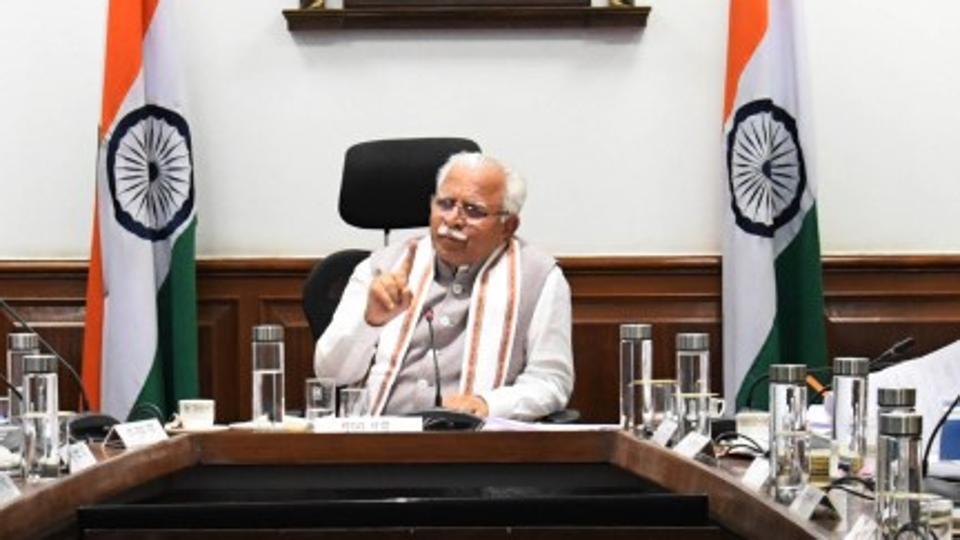
There are 72 castes under this category in Haryana.
The commission had recommended the proportion of reservation for BC (A) in municipal bodies. The development is significant in view of the pending elections to the municipal corporations of Gurugram, Faridabad and Manesar.
Ordinances will be placed before the council of ministers on Tuesday to amend the Haryana Municipal Corporation Act and Haryana Municipal Act to give effect to the BC (A) reservation in municipal bodies. A similar reservation was accorded to BC (A) in panchayati raj institutions last year on the recommendations of the Haryana Backward Classes Commission.
An official spokesperson said a certain number of wards in every municipal corporation, council and committee shall be reserved for citizens of BC (A). The spokesperson said every municipality shall have at least one councillor belonging to BC (A) if the BC population is not less than 2% of the total urban population of the local body area. Also 8% of the number of offices of mayors or presidents shall be reserved for the BC (A) in the municipal corporations, councils and committees.
The commission in its report said as per the direction of the Supreme Court, the reservation shall not exceed 50% of the total seats reserved for scheduled castes (SC) and BC (A) together in a particular municipal body.
Commission quotes examples on quota
For clarity, the commission said if the population of the BC (A) community is 25% of the total population in an urban local area, then 12.5% of seats shall be reserved for the category subject to the other conditions.
In a given urban local area, if the population of the scheduled castes is 50% or more, the BC (A) will not get any reservation irrespective of the percentage of their population. Where the population of SCs is 40% and there are 10 seats in the urban local area, then 4 seats will be reserved for the SCs and one shall be available for reservation to the BC (A). The BC (A) will get one seat in the municipality even if as per the percentage of reservation available to them no seat becomes available for them and their population in an urban local area is not less than 2%.
The commission headed by Punjab and Haryana High Court former judge justice Darshan Singh conducted the empirical inquiry for the assessment of the political backwardness of the backward classes in the state. In the assessment, the commission found that the BC (A) were not adequately represented in the political setup and required the support of reservation in the election of local bodies for adequate participation at the grassroots level in the democratic setup.


