
 E-Paper



Haryana Sikh Gurdwara (Management) Act: SC verdict discarded SGPC’s right to manage gurdwaras, says SAD
A day after SC orders, senior SAD leaders held a meeting and rejected the apex court’s order accepting the validity of Haryana Sikh Gurdwara (Management) Act, 2014, leading to “truncation” of SGPC


The Shiromani Akali Dal (SAD) on Wednesday said the Supreme Court (SC) verdict validating a separate gurdwara management committee for Haryana had “discriminated against the Sikh community” and said it would organise the Sikh community against the decision under the Akal Takht Sahib.
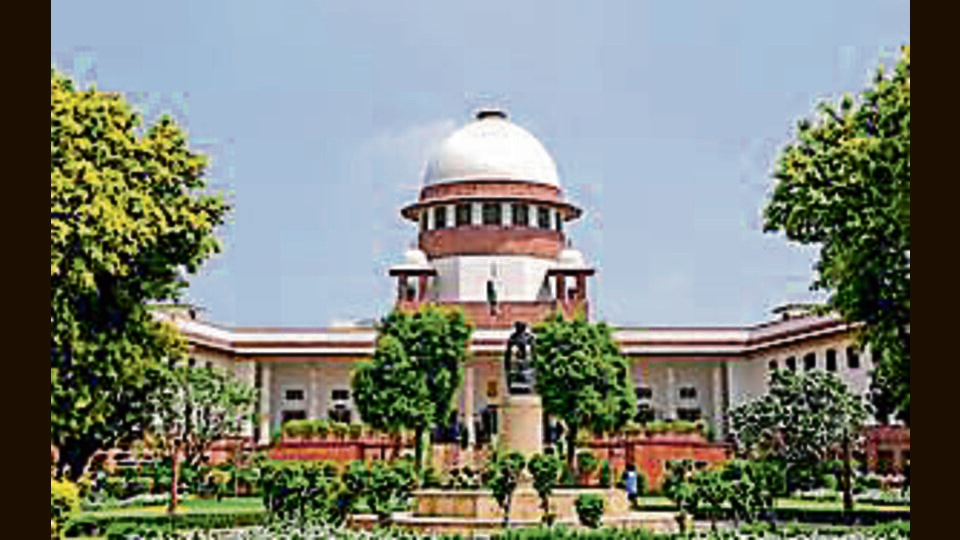
A day after SC orders, senior leaders of the party on Wednesday held an emergency meeting here and rejected the apex court’s order accepting the validity of the Haryana Sikh Gurdwara (Management) Act, 2014, leading to the “truncation” of the Shiromani Gurdwara Parbandhak Committee (SGPC), which controlled the management of historic gurdwaras in Punjab, Haryana and Himachal Pradesh.
Party’s top leaders Balwinder Singh Bhundar, Prem Singh Chandumajra, Maheshinder Singh Grewal and Hira Singh Gabria alleged that the Supreme Court verdict had a communal colour, giving an impression that the law of the land was different for Sikhs and they were second-class citizens.
The leadership remained silent on yesterday’s declaration by the SGPC that it would move a review petition before the SC. Terming the SGPC as a mini-parliament of Sikhs, the Akali leaders asserted, “We will fight for our rights and expose this anti-Sikh conspiracy”.
“The sewa of our gurdwaras is being denied to us for the second time since the Partition when a sizable number of gurdwaras were left behind in Pakistan,” said the leaders, adding that the judgment had even “discarded” the SGPC’s right to manage gurdwaras.
The senior SAD leadership also warned the Union government and other political parties, “which were conspiring against the Sikh community”, that this could have dangerous repercussions.
Meanwhile, the leaders also noted how the apex court was following “different parameters” on similar issues.
“In the SYL case, the Supreme Court had rejected the Acts passed by the Punjab government returning the land on which the canal was constructed back to farmers by stating that the state did not have any right to adjudicate on an inter-state issue,” they added.
“However, in the case of the gurdwara management case, the apex court had assented to Haryana’s right to make its own laws on an inter-state Act,” the leaders added.


