
 E-Paper



Have got a new lease of life, says Ukraine returnee Mansi Kondal
The Ukraine returnee medical student Mansi Kondal, who until recently was stuck in Sumy – a war-ravaged city in eastern Ukraine that was the last to be evacuated – wears the look of one who has been to hell and back, and she says as much


“Those creating war hysteria do not realise that it only leaves a trail of deaths and destruction,” says 22-year-old Mansi Kondal, sagaciously. The medical student, who until recently was stuck in Sumy – a war-ravaged city in eastern Ukraine that was the last to be evacuated – wears the look of one who has been to hell and back, and she says as much.
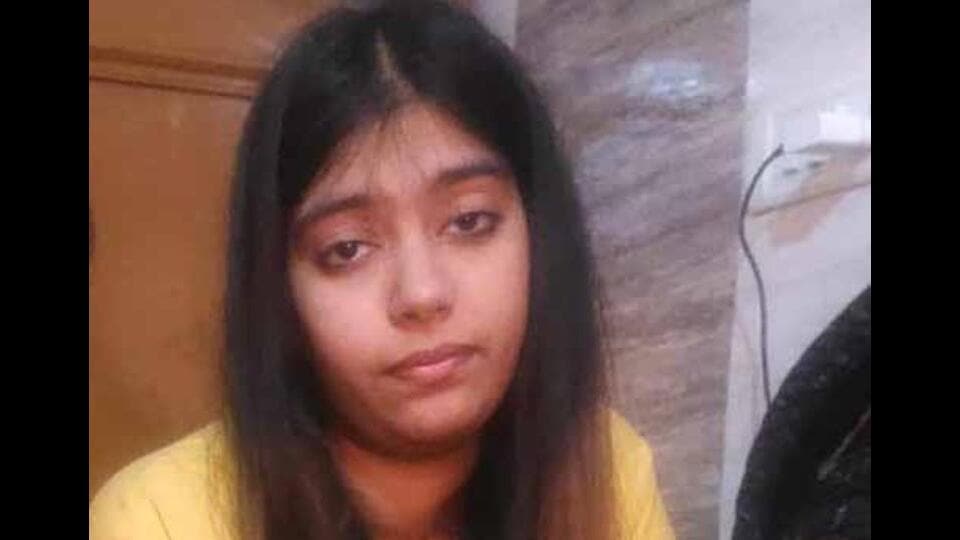
It was an emotional homecoming for Mansi, as her father Rajinder Singh, a school teacher, could not hold back his tears, while her mother was perturbed to see her daughter’s feet swollen after walking miles in the freezing cold to escape the shelling and bombing, which had rocked the city after the Russia’s military offensive.
Having escaped the jaws of death by a whisker, Mansi says, “I am fortunate to have survived the bombings. This is a new lease of life for me.”
However, it is a bitter-sweet reunion for Mansi, whose future is shrouded in uncertainty. She had gone to Ukraine to become a doctor, but she isn’t sure whether things will get back to normal, and what will become of her MBBS degree.
“The sounds of airstrikes, bombs, and bullets had become routine. Not returning and abandoning my course is not an option. I will surely return, when it is safe,” she says.
Students from the eastern city, which is close to Russia, were evacuated after two failed attempts on March 7.
“Initially, bombing was reported in other parts of Ukraine, particularly Kharkiv city, and things were relatively normal in Sumy. But, on March 1, the Russians carried out heavy bombardment, which led to the snapping of power supply for three days. All of us at the hostel (around 800 students) went to the bunkers to hide,” says Mansi.
First the batteries of the mobile phones died, after which the students ran out of water and food. “This continued for three days. I felt like I was part of a real-life survival movie where we had to struggle for food and water. All we could hear for three days was fighter-jets zooming over our institute and bombings around the building,” says Mansi.
She says that after three days the electricity supply was partially restored. “The students quickly sent SOS messages to the Indian Embassy, their parents and some shared their plight on social media. On March 4, all students decided to march towards the Russian border as we realised if we did not leave we would died of hunger, if not killed in the bombings. Fortunately, the Indian authorities promptly reacted and urged us to stay. Soon, food was delivered to us, and later we were finally evacuated from Sumy,” says Mansi.


