
 E-Paper



Himachal HC orders status quo on two lower floors of Sanjauli mosque
The court also maintained the orders regarding the top three floors of the mosque, passed by the Shimla municipal commissioner’s court in October 2024, and directed the Himachal Pradesh Waqf Board to demolish the top floors of the mosque before the next hearing

 Prefer HTon Google


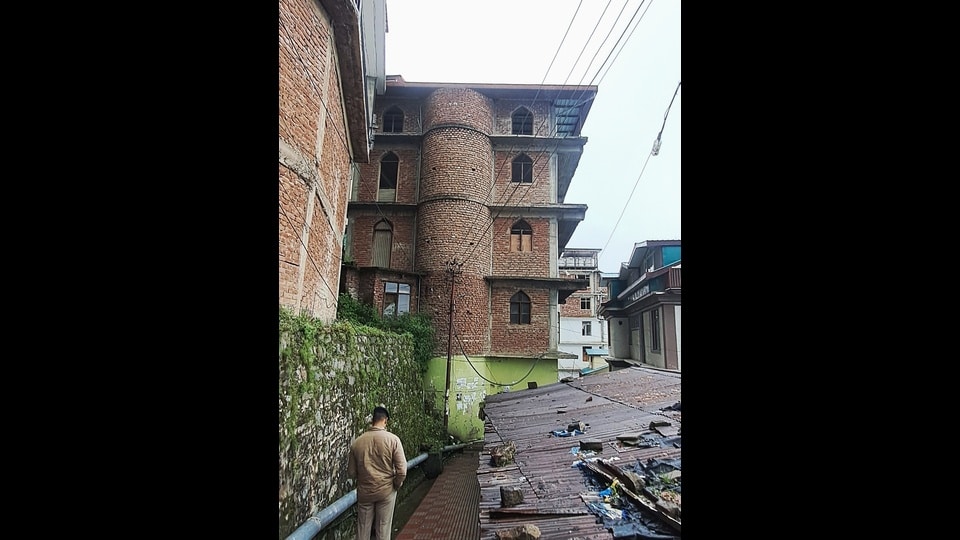
Shimla The Himachal Pradesh High Court on Wednesday ordered status quo on the lower two floors of the five-storey Sanjauli mosque in Shimla, while maintaining that the top three floors must be demolished as per the Shimla municipal commissioner court’s directions.
A single judge bench of Justice Ajay Mohan Goel passed the orders after hearing the arguments of the parties involved in the case.
The court also maintained the orders regarding the top three floors of the mosque, passed by the Shimla municipal commissioner’s court in October 2024, and directed the Himachal Pradesh Waqf Board to demolish the top floors of the mosque before the next hearing.
This comes after the Waqf Board had a local court in Shimla has upheld the municipal commissioner’s order declaring the Sanjauli mosque unauthorised and directed the demolition of the entire five-storey structure. The Waqf Board had moved HC against the order.
During the hearing, Waqf Board stated that the top two floors of the five-storey mosque have already been demolished and the remaining third will also be pulled down soon.
The Waqf Board and the mosque committee had earlier challenged the orders of the municipal court in the district court. However, the district court upheld the municipal commissioner court’s decision and ordered the demolition of the illegal structure by December 30. Following the decision, the Waqf Board challenged the decision in the high court.
The next hearing of the case has been scheduled for March 9.
The case dates back to 2010 when local residents and Hindu organisations had moved an application, alleging that the mosque had been built without MC’s permission, and that too, on land not belonging to the Waqf Board.


