E-Paper



Rain, low temperature hit apple pollination in Kashmir
Affect the “fruit set” of apples — a transitory phase from the flower pollination to the fruit development in plants

 Prefer HTon Google


Intermittent rainfall and low temperatures early this month affected the pollination of apple orchards across Kashmir triggering concern of decrease in production during harvesting season later this year.
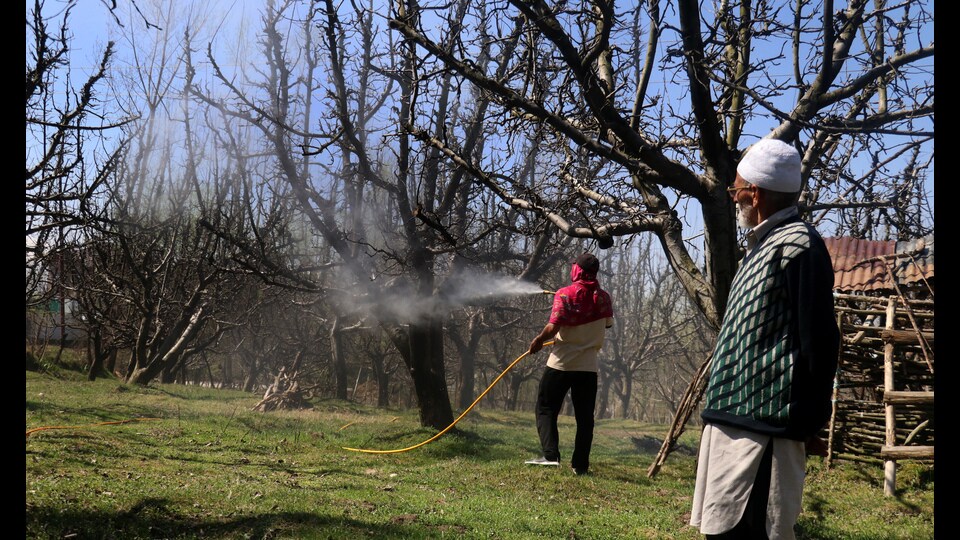
Farmers and horticulture experts say that low temperatures and rain which started in the last week of March and intermittently continued in April have affected the “fruit set” of apples — a transitory phase from the flower pollination to the fruit development in plants.
Fayaz Ahmad Malik, president of the Fruit Association of apple town Sopore, said rain and low temperatures have affected apple pollination by around 20%, though the experts have put the figure at around 30%.
“Honey bees don’t pollinate due to low temperatures and rain, which caused the problem. Rain in the last week of March and then in April affected the apple crop this year,” Malik said.
Kashmir is India’s largest apple grower fetching revenue over ₹ 8,000 to 10,000 crore to the UT and contributing around 8 to 10% of its gross domestic product. The UT produces around 20 lakh metric tonnes of apples per year. Around seven lakh farming families (approximately 35 lakh people) are directly or indirectly associated with the horticulture sector.
The horticulture experts say that the precipitation during the bloom period hampered the cross pollination in apple fruit crop which subsequently affected the fruit set.
Mohammad Amin Bhat, subject specialist and technical officer in the directorate of horticulture, Kashmir, said almost 100% pollination in apple orchards happens by honey bees. “Because of rain and low temperature, honey bees couldn’t move. The result was that the cross pollination didn’t happen properly which didn’t lead to proper fruit-set. The precipitation during the end of March and in April was detrimental to apples,” Bhat said.
For honey bees to move and cause cross pollination in apple fruit plants, temperature should be more than 10 degree Celsius and there shouldn’t be any rain during the bloom period.
Bhat said the effect of the precipitation at that crucial juncture was now visible in the orchards. “The fruit-set is not as expected in the orchards where there were rains at the time of bloom. In those orchards there is approximately a 20 to 25 % reduction in fruit set. Mostly this has happened with apple orchards,” he said.
The expert said in the rest of the crops such as apricot and almond, the fruit-set had happened before precipitation. “But our major crop is apple only. Rain and temperature affects the crop,” he said.
However, Sopore Fruit Association president Fayaz Ahmad Malik was hopeful of a good return if there wasn’t any more weather vagary.
He said the success rate of 70% was still good if there weren’t any hailstorms which could damage the crop. “The production will be less than last year but we hope for stable market rates which will compensate for the reduction in production. Last year, the production was more but the market was down besides the road issues,” he said.
Last year, the apple production had reached its highest ever 20 lakh metric tonnes from earlier 17 lakh metric tonnes but the fruit growers had suffered losses worth hundreds of crores after thousands of trucks from Kashmir became stranded at various places on the highway for days altogether due to various issues.