
 E-Paper



Lack of rape test kits, evidence collection takes a hit at Ludhiana civil hospital
The rape examination kit, a crucial component in such cases, includes scissors, forceps, spatula, surgical blade, matchbox, sterilised swab sticks, spirit swab, black marker, envelope, urinary container, and other necessary medical tools required for proper evidence collection

 Prefer HTon Google


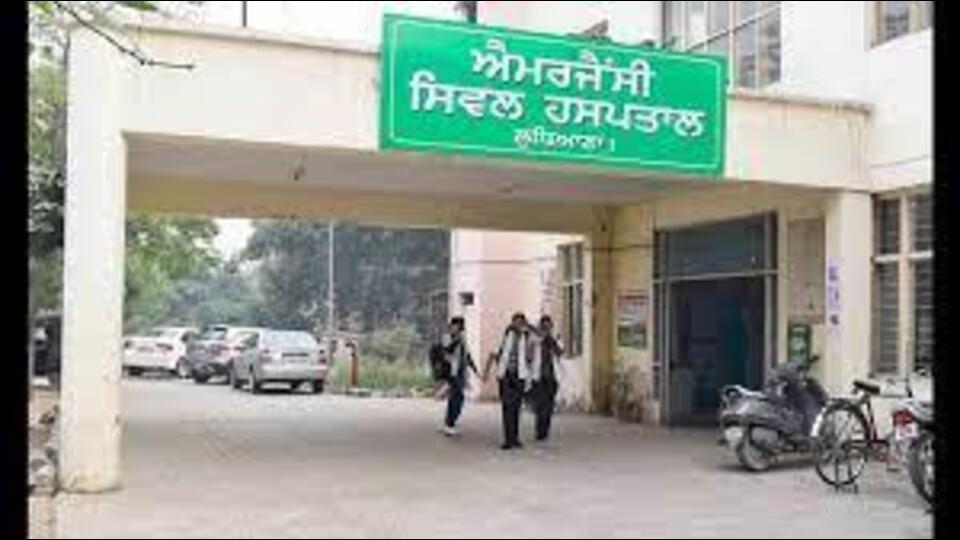
The lack of rape examination kits for the last two months at the civil hospital here, the largest civic-run health facility in the district, has raised concerns over the effectiveness of evidence collection in sexual assault cases.
The rape examination kit, a crucial component in such cases, includes scissors, forceps, spatula, surgical blade, matchbox, sterilised swab sticks, spirit swab, black marker, envelope, urinary container, macintosh, nail clipper, red vials, purple vials, syringes, surgical gloves, razor, tape, magnifying glass, combs, and other necessary medical tools required for proper evidence collection.
Due to the unavailability of these kits, the victims’ families or the officials bringing the victims to the hospital are being asked to purchase the necessary items at their personal expense from private pharmacies outside the hospital. Alternatively, victims are examined with the use of other less effective alternatives available to the examiners.
A senior doctor at the civil hospital, speaking on the condition of anonymity, expressed concerns about the makeshift measures currently employed.
“They use common ear swabs to collect evidence, which are not sterilised and cannot retain foreign bodies for an extended period. The delay in procuring the kit from private stores also poses a potential threat of missing crucial evidence that may wash off the body after the victim passes urine or cleans themselves. This kit is essential and must be readily available to ensure justice for the victim,” the doctor said.
In cases of assault, the medical staff examines foreign discharge on the victim’s body, including body fluids such as vaginal discharge, saliva, foreign hair, urine, gunk, or keratin debris underneath nails.
According to forensic experts, the non-availability of the kit hampers evidence collection, threatening the integrity of the subsequent investigation and trial.
Dr. Gurvinder Kakkad, a forensic expert from civil hospital, Khanna, emphasised the importance of the kit, stating, “The kit contains every essential tool required for evidence collection from the victim’s body. When procured by the victim’s family or a police personnel, they often fall short of a few items due to their unavailability in the market. In such scenarios, if examiners resort to using non-medical alternatives, it may compromise the detailed evidence needed for a fair investigation and trial.”
Recognising the sensitivity of rape cases, Ludhiana civil surgeon Dr Jasbir Aulakh said, “Rape cases are a very sensitive matter and should be dealt with utmost care. I have sternly directed the hospital SMO to acquire the kits as their non-availability and further delay can create challenges for the functionality of the department.”


