
 E-Paper



Ludhiana: Carcass plant shifting back on table: DC seeks fresh feasibility report on three new identified sites
An earlier relocation plan at Garhi Fazal failed the feasibility test; officials tasked with evaluating three industrial-zone sites


The deputy commissioner of Ludhiana has initiated the long-stalled process of relocating the city’s carcass processing plant, directing district and civic officials to prepare a fresh feasibility report for three newly identified sites. The order was issued during a review meeting held on Friday (November 28) to ensure compliance with directions passed by the National Green Tribunal (NGT) in case No. 289 of 2023.
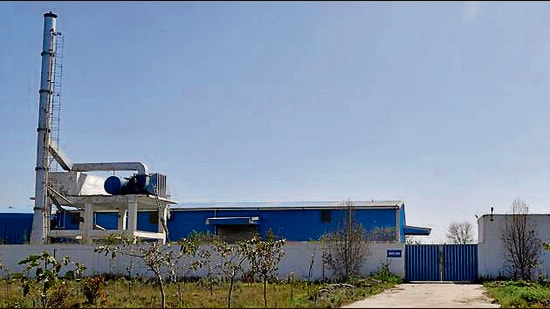
In its order dated October 27, 2025, the tribunal had asked the Ludhiana district administration to expedite the shifting of the existing carcass processing unit, which for years has remained a major cause of distress for residents living near its location. Foul smell, unhygienic surroundings, alleged violation of environmental norms and contamination of land and nearby water bodies due to improper waste handling were among the core concerns raised by petitioners in 2023, prompting judicial intervention.
New sites shortlisted
During the meeting, officials informed the deputy commissioner that three alternative locations have now been shortlisted near existing sewage treatment plants (STPs) at Balloke, Bhattian and Jhalapur. These locations lie within industrial or waste-management zones, making them more appropriate for housing the facility.
The deputy commissioner has constituted a multi-departmental committee to carry out joint physical inspections at the sites and assess land availability, topography, accessibility and environmental safeguards. Each site must provide between 2 to 5 acres of land, which is the minimum requirement for setting up a modern, compliant carcass treatment unit.
The committee has been asked to submit a detailed feasibility report — along with recommendations — within five days. Officials have also been directed to prioritise the availability of access roads, distance from habitations, transportation convenience for animal carcass collection and pollution-control compliance while preparing the report.
Past plan falters
The relocation push comes against the backdrop of a failed feasibility test for a previously proposed site at Garhi Fazal. Earlier this month, a field inspection had found the land unsuitable due to severe topographical limitations, its proximity to residential pockets and the excessive cost of preparing the site for construction. The rejection dealt a major setback to the municipal corporation’s relocation plan, which was drafted in response to NGT orders.
The carcass plant project dates back to July 2019, when the facility was allotted to M/s Ess Dee Enterprises under a seven-year concession model for construction and operation. The facility was completed in May 2021 and was envisioned as a scientific solution to the city’s persistent problem of unregulated carcass dumping. Designed to process animal remains hygienically and in line with pollution norms, the plant was expected to curb illegal dumping, reduce environmental damage and strengthen public health safeguards.
However, the project failed to transition from construction to actual operations.
Residents of Noorpur Bet village, located near the plant site on Noorpur Bet Road, launched strong protests citing foul smell, pollution fears and religious sentiments tied to the land.
Political involvement compounded the crisis.
In January 2025, MP Ravneet Singh Bittu led a large public demonstration demanding the closure of the plant, intensifying pressure on the district administration. Officials finally ordered the shutdown of the facility barely ten days after it began trial operations.
Since January 2025, the facility has remained permanently locked, generating no revenue while creating a sustained financial burden for the municipal corporation.
The deputy commissioner during the meeting said that the relocation process must not encounter further delays, especially with NGT-mandated timelines drawing near. “We must ensure that the next chosen site meets environmental norms, has necessary buffers and ensures no friction with residents,” he added.
The final decision on the new carcass plant site will be taken after the committee submits its findings.


