
 E-Paper



Ludhiana: Chief secretary calls for study on Buddha Nullah pollution
Stresses on need for corrective measures during meet in aftermath of recent report flagging high metal density in water

 Prefer HTon Google


The chief secretary of Punjab on Tuesday held a meeting with industrialists and officials Punjab Pollution Control Board (PPCB) municipal corporation (MC) to address the source of pollution contaminating the Buddha Nullah.
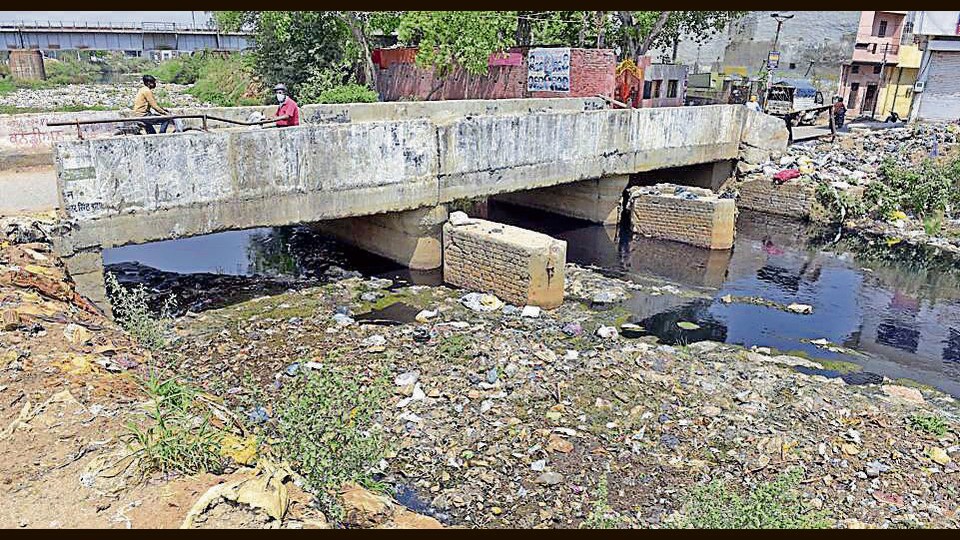
The meeting was conducted after a report submitted to the deputy commissioner by PPCB and Punjab Biotechnology Incubator (PBTI) confirmed that Buddha Nullah continues to suffer from high levels of pollution, urging the need for immediate corrective measures.
The Central Pollution Control Board’s (CPCB) had earlier issued a directive to stop Common Effluent Treatment Plants (CETPs) from discharging treated wastewater into Buddha Nullah.
During the meeting, the chief secretary emphasised the importance of conducting a thorough and detailed study of the pollutants being released into the water body claimed by the officials of PPCB and MC.
The aim of the study is to identify the main sources of pollution, particularly from industrial units, and develop effective solutions to tackle the ongoing pollution crisis.
Activists and members of the Public Action Committee (PAC), a civil society group, have criticised the authorities for delay in taking action to close illegal outlets that continue to release toxic waste into the Buddha Nullah.
Jaskirat Singh, a member of the PAC, expressed his frustration: “It feels like the chief secretary is using the study as a way to buy time. The authorities should focus on closing the illegal discharging points into the Buddha Nullah without delay, as ordered by the CPCB and PPCB. Any further delay will bring more pressure on the government from the courts and the public.”
In a recent move, the PPCB ordered the closure of three illegal CETPs operated by the dyeing industry. These plants were found to be dumping untreated wastewater into the Buddha Nullah, violating environmental laws and guidelines established by the ministry of environment in 2013.
A few days ago, activists from Kale Pani Da Morcha, a coalition of NGOs working to reduce pollution in Punjab’s rivers, submitted a memorandum to the governor of Punjab expressing concerns about the lack of enforcement of CPCB and PPCB orders to close down illegal CETP outlets operated by the dyeing industry.
The final report submitted to the deputy commissioner by PPCB and PBTI confirmed earlier findings that Buddha Nullah continues to suffer from high levels of pollution, urging the need for immediate corrective measures.


