
 E-Paper



Ludhiana clocks surge in respiratory issues amid wheat harvesting season
The rise in respiratory issues has also led to a notable increase in hospital visits as the outpatient department (OPD) at the civil hospital has seen a 25% to 30% rise in respiratory-related cases; many patients are seeking medical attention due to severe breathlessness and asthma attacks caused by the exposure to airborne allergens

 Prefer HTon Google


Ludhiana is experiencing a surge in respiratory issues, particularly asthma, as the wheat harvesting season begins. Data from local hospitals highlight a troubling increase in cases of asthma and other respiratory sensitivities, with airborne allergens, especially pollen, playing a key role.
In February, the city reported 35 asthma cases, but this number surged to 40 in March, a steady increase stirred up due to harvesting season. Experts attribute this uptick to the seasonal influx of airborne allergens, such as pollen and dust from wheat crop.
The wheat harvesting season is characterised by the release of large amounts of pollen into the air, which can trigger or worsen respiratory symptoms, particularly in individuals who are already vulnerable, such as those with asthma, chronic obstructive pulmonary disease (COPD), or heart disease.
Dr Shivam Dutt, a medical practitioner at civil hospital, noted the significant impact of this season on respiratory health. “Earlier, we used to see about 5% to 10% of patients complaining of breathlessness. But with the onset of the wheat harvesting season, this number has nearly doubled,” he explained.
He also emphasised that the situation is more severe among vulnerable populations, such as the elderly, children, and individuals with pre-existing health conditions. “Males, in particular, are more prone to respiratory illnesses due to their higher exposure to environmental pollutants during this time,” he added.
The symptoms of respiratory sensitivities, including asthma, are primarily triggered by allergens such as pollen, dust, and smoke from agricultural activities. During the wheat harvest, when crops are being threshed and processed, the wind carries vast quantities of pollen and dust into the air, exacerbating symptoms like wheezing, chest tightness, shortness of breath, and persistent coughing. These allergens can cause inflammation and narrowing of the airways, making it harder for individuals with asthma to breathe.
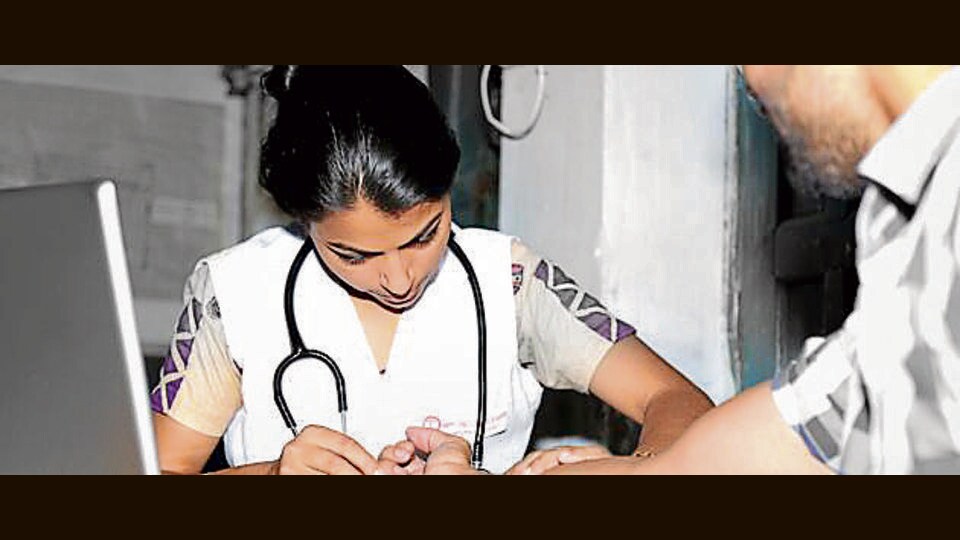
The rise in respiratory issues has also led to a notable increase in hospital visits. The outpatient department (OPD) at the civil hospital has seen a 25% to 30% rise in respiratory-related cases. Many patients are seeking medical attention due to severe breathlessness and asthma attacks caused by the exposure to airborne allergens.
Doctors recommend that individuals, especially those with respiratory conditions, take proactive measures to protect themselves during the wheat harvesting season. Staying indoors during peak pollen hours, using air purifiers, and wearing masks can help reduce exposure to harmful allergens.


