
 E-Paper



Can smartphones and laptops cause brain cancer? Gurugram neurologist Dr Praveen Gupta busts 5 dangerous myths

 Prefer HTon Google


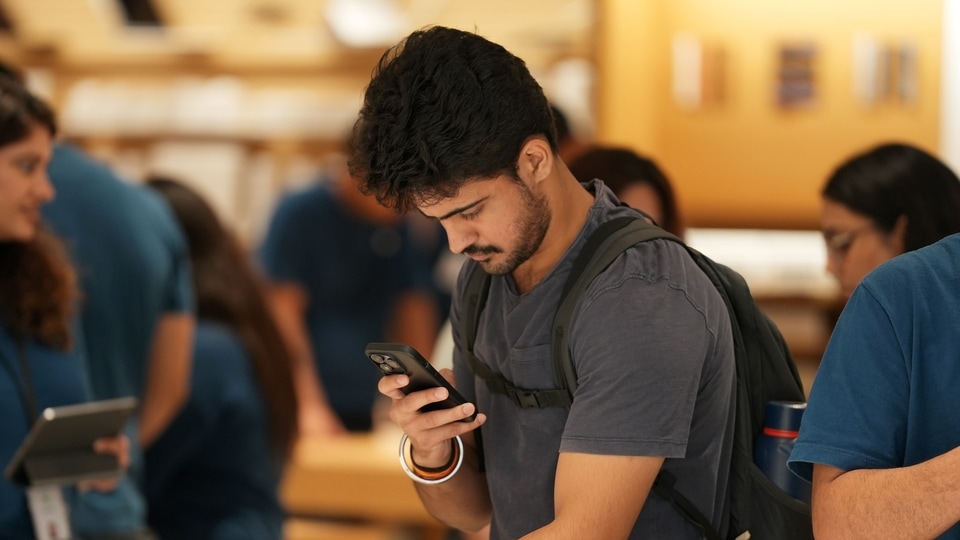
Think screen time causes brain cancer? A top Gurugram neurologist, Dr Praveen Gupta, sets the record straight and shares five brain health myths vs facts.
In an age where health advice travels across social media feeds faster than peer-reviewed science, medical anxiety often outpaces factual reality. Alarmist claims linking smartphones to brain tumours or framing every minor headache as a terminal diagnosis can leave you hyper-vigilant yet misinformed. Also read | Smelling something no one else can? Find out how 23-year-old woman’s ‘rotten egg smell’ led to a brain tumour diagnosis
To separate science from speculation, Dr Praveen Gupta, chairman of the Marengo Asia International Institute of Neuro & Spine (MAIINS) at Marengo Asia Hospitals in Gurugram, weighed in on five of the most pervasive myths surrounding brain health and tumours, in an interview with HT Lifestyle.
Here is what the AIIMS-trained neurologist with over two decades of clinical experience wants the public to understand:
Myth 1: excessive screen time causes brain cancer
It is one of the most widespread health anxieties of the digital age: does staring at a smartphone or laptop all day seed malignant tumours in the brain?
Dr Gupta offered an unequivocal response: "There is no scientific evidence to show that using your smartphone, laptop or watching anything on your screen causes brain cancer." The physics of smartphone technology clarified why. According to Dr Gupta, "The radiation from a smartphone is not ionising, and hence it cannot damage the DNA and cause cancer."
While screen habits do not cause brain tumours, prolonged exposure carries real physiological consequences. Dr Gupta noted that excessive screen time 'can make you feel strained in your eyes, can disrupt sleep cycles, can make your neck hurt, give you a headache, and also affect your concentration'.
"The real problem with excessive screen time is its effect on our sleep, mental health, and brain function," he added. Also read | When a headache is more than ‘just stress’: Neurologists share brain tumour symptoms that often go unnoticed for months
Myth 2: headache always indicates brain tumour
Experiencing a throbbing headache can spark health anxiety, leading you to fear the worst. "Thankfully, the answer to this (does headache hint at brain tumour?) is negative," reassured Dr Gupta, adding that in clinical practice, the vast majority of headaches stem from benign, manageable causes.
"A majority of headaches arise from migraines, tension headaches, stress, dehydration, sinusitis, or other lifestyle reasons," Dr Gupta explained, adding, "Brain tumours make up only a small fraction of all headache cases."
However, he highlighted that persistent or atypical pain should not be ignored. A medical consultation is warranted if headaches:
⦿ Occur frequently or intensively
⦿ Worsen in the early hours of the day
⦿ Are accompanied by vomiting
⦿ Co-occur with seizures, numbness, visual disturbances, or personality changes
Myth 3: brain tumours are age-related problems
Another widespread misconception is that brain tumours are exclusively a concern for the elderly. "Brain tumours can develop in people regardless of their age range, even children," Dr Gupta clarified.
While specific tumour strains appear more frequently in older demographics, 'age is not a factor in itself'. Consequently, persistent neurological issues should never be dismissed simply because 'the patient is too young', he added.
Myth 4: no pain, no problem
Perhaps the most dangerous myth is the assumption that a serious neurological condition always presents with pain. "The brain doesn't feel pain," Dr Gupta pointed out. Because brain tissue lacks pain receptors, a wide variety of symptoms associated with brain tumours do not involve head pain at early stages.
According to him, critical non-pain warning signs include:
⦿ Abrupt weakness or loss of balance
⦿ Speech disturbances or problems comprehending language
⦿ Vision abnormalities (such as double vision or vision loss)
⦿ Memory impairments, dizziness, or sudden changes in personality and behaviour
⦿ Seizures or repeated nausea (especially when paired with headaches)
Because these symptoms often develop gradually, Dr Gupta warned they 'may be mistaken for stress or ageing-related' factors, delaying vital medical evaluations.
Myth 5: brain tumour is always deadly
A brain tumour diagnosis is often treated as an automatic death sentence, but modern medical advancements have fundamentally transformed patient outcomes. "It's one of the largest myths," Dr Gupta stated.
"Thanks to progress in MRI technologies, molecular diagnostics, neuronavigation, microsurgery, targeted treatments, radiosurgery, immunotherapy and neuro-rehabilitation, the prognosis of many brain tumours has improved significantly," he highlighted, adding, “Nowadays, many brain tumours are treatable and even curable if detected at an early stage.”

Proactive habits over unnecessary fear
Dr Gupta urged people to move away from screen-phobia and focus instead on tangible, everyday wellness habits that support the central nervous system. "Brain health is not about fearing your phone," Dr Gupta said.
Rather than fixating on radiation fears, he advised maintaining brain health through foundational habits:
⦿ Getting sufficient, quality sleep
⦿ Engaging in regular physical exercise
⦿ Actively managing blood pressure and diabetes
⦿ Reducing chronic stress levels and following a balanced diet
⦿ Consulting a neurologist promptly whenever persistent or progressive neurological symptoms appear
As Dr Gupta concluded: "Awareness is the best weapon we have against brain disorders."
About the expert
Dr Praveen Gupta is chairman of the Marengo Asia International Institute of Neuro & Spine (MAIINS) at Marengo Asia Hospitals, Gurugram. He is an AIIMS-trained neurologist with over two decades of experience. He specialises in stroke, Parkinson's disease, epilepsy, dementia, movement disorders, and neurocritical care.
Note to readers: This article is for informational purposes only and not a substitute for professional medical advice. Always seek the advice of your doctor with any questions about a medical condition.


Catch your daily dose of Fashion, Taylor Swift, Health, Festivals, Travel, Relationship, Recipe and all the other Latest Lifestyle News on Hindustan Times Website and APPs.


