
 E-Paper



Ludhiana: 2 out of 3 oxygen plants at civil hospital defunct
According to hospital staff, the civil hospital has three oxygen plants including one liquid medical oxygen (LMO) plant and two PSA plants with capacities of 1,000 liters per minute (LPM) and 700 LPM, respectively


Despite the Punjab health department directives for preparedness and uninterrupted oxygen availability, following the death of three patients at Jalandhar Civil Hospital, the situation on ground in Ludhiana civil hospital remains grim.
In a high-level meeting held on July 29, Punjab health minister directed all civil surgeons to ensure uninterrupted oxygen supply and reliable power backup in critical care units such as ICUs, operation theatres, and emergency wards.
However, Ludhiana civil hospital, one of the busiest government hospitals in the region is still functioning with just one operational pressure swing adsorption (PSA) plant and backup cylinders to cater to critical patients.
According to hospital staff, the civil hospital has three oxygen plants including one liquid medical oxygen (LMO) plant and two PSA plants with capacities of 1,000 liters per minute (LPM) and 700 LPM, respectively.
At present, only the 1,000 LPM oxygen plant, installed under the PM-Cares Fund, is functional. This single plant is supplying oxygen to all major wards of the civil hospital including the ICU, emergency, trauma, male and female wards, TB ward, labour room, operation theatre, and paediatrics ward.
Built during COVID, plant awaits clearance
As per civil hospital staff, the 700 LPM oxygen plant, set up by the state government, has been non-operational for the past one month due to a servicing issue. They further added that the plant is grappled with recurring operational issues where after every three to four months of servicing, it suffers from technical glitches.
To address this, the civil hospital has installed manual oxygen cylinders in every ward where in case of emergency, supply can be ensured to inmates patients. However, such arrangements raise concerns over risk of fatal accidents if any human error occurred, they said.
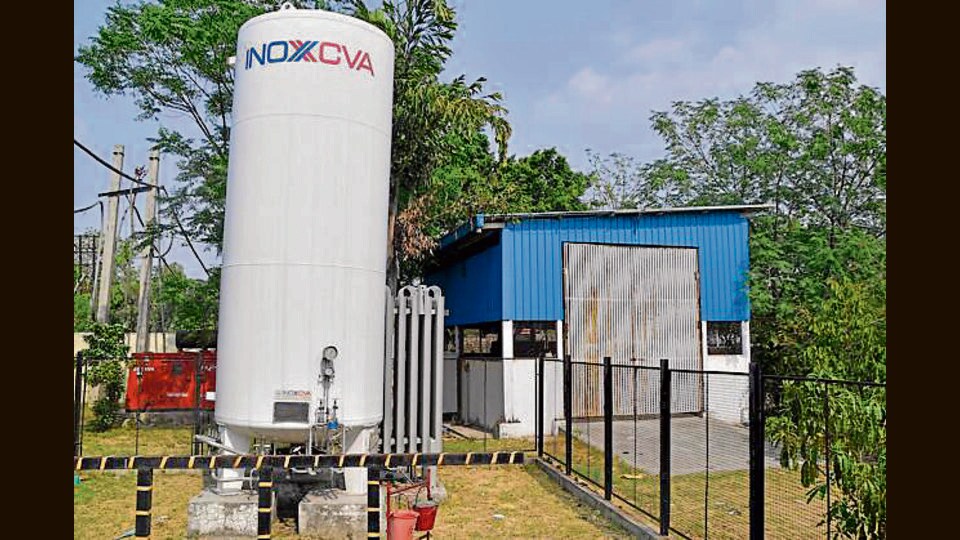
Meanwhile, the LMO plant has been lying defunct since 2022. The reason is a pending licence from Petroleum and Explosives Safety Organisation (PESO), the authority responsible for approving the storage and handling of medical oxygen, which is considered hazardous if not properly regulated.
Although the plant was built after the second COVID wave, it was never made fully operational due to the lack of PESO clearance. As a result, this major oxygen source has been idle for nearly three years, hampering the hospital’s readiness in case of another health emergency.
Staff shortage worsens crisis
In addition to non-functional plants, the hospital is also dealing with a severe staff shortage. Currently, only two plant operators, including a technician, are responsible for managing oxygen supply round-the-clock. This is a significant drop from six operators who were posted during 2021–22.
Due to the limited staff, workers are forced to work extra hours, increasing their exhaustion and the risk of human error in managing the critical oxygen supply, officials said.
In a letter dated July 2, civil hospital authorities requested the deputy medical commissioner, Ludhiana to appoint at least one more plant operator to ease the pressure on the current team.
When contacted, Ludhiana civil surgeon Dr Ramanpreet Kaur acknowledged that the LMO plant has been non-functional since the COVID wave, stating that only its base was built at the time, but it could not be completed due to licensing delays. “The matter is currently pending with the state government,” she said.
On the staff shortage, Dr Kaur added, “We are hiring more staff from other government hospitals in the district where oxygen plants are not functional. Also, we will train additional staff to ensure the smooth functioning of oxygen supply.”


