
 E-Paper



Ludhiana: Deadline over, 19 dyeing units still flouting zero liquid discharge norms
According to PPCB chief engineer RK Ratra, some industrialists have submitted bank guarantees and sought a few months’ time. The progress is being checked, he says

 Prefer HTon Google


Even as the deadline to adopt zero liquid discharge (ZLD) technology expired in December, 19 scattered dyeing units in the city are yet to fully comply with the directions, raising questions over enforcement by the Punjab Pollution Control Board (PPCB).
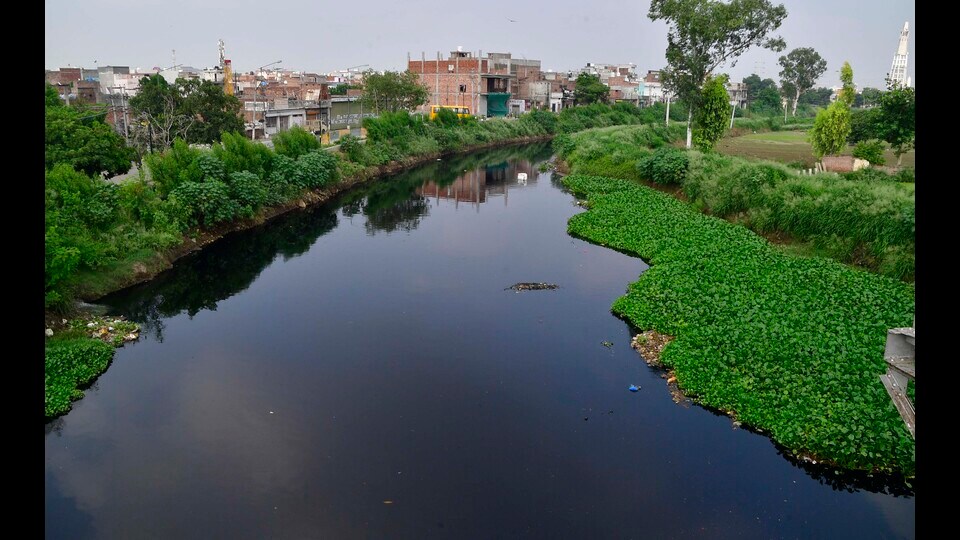
The board had earlier directed all scattered dyeing units either to install ZLD systems or shut down/shift out of the city. The move came after it was found that untreated effluents from these units were being discharged into municipal sewer lines, eventually reaching sewage treatment plants (STPs) that are not designed to treat industrial wastewater. The partially treated waste then flows into the polluted Buddha Nullah.
While some progress has been reported on paper, ground realities indicate that several units are still struggling to implement ZLD and are continuing operations.
Of the 11 large-scale scattered dyeing units, two have adopted ZLD, while two have closed their wet processes. One unit owner approached the Punjab and Haryana high court challenging the ZLD directions. The remaining units submitted action plans, claiming they would install ZLD by coming months.
Among 43 small-scale units identified earlier, 12 have either shut down or shifted. A few have opted to install ZLD or discontinue dyeing operations. However, official figures reveal that 19 units are still in the process of implementing ZLD and have not completed compliance even after the deadline.
Environmentalists allege that despite clear timelines, enforcement has remained weak. They point out that the matter is under consideration before the National Green Tribunal (NGT), where the PPCB is required to submit a status report. The tribunal had granted time till December for units to comply or face closure.
When contacted, PPCB chief engineer RK Ratra said, “We have already met the industrialists in personal hearings. Some of them have submitted bank guarantees and sought a few months’ time. Some are in the process of turning ZLD. We are checking their progress reports and have issued notices to three units that have failed to do anything.”
However, the fact remains that effluents from non-compliant units continue to pose a threat to the city’s sewer network and the Buddha Nullah. Though the PPCB claims that pollution levels near Walipur have shown improvement over the past year, environmentalist argue that unless all scattered dyeing units strictly implement ZLD, sustainable results cannot be achieved.


