
 E-Paper



Ludhiana: Record rain but no spike in dengue cases for now
Health officials attribute the positive trend to the intensive anti-dengue activities carried out under the ‘Har Shukarvaar Dengue te Vaar’ programme


Amid a monsoon season marked by record-breaking rainfall, the district of Ludhiana has reported a decrease in dengue cases compared to the previous year. As of mid-September, the district has registered 45 dengue cases, a notable decline from the 54 cases reported during the same period last year.
The drop in cases comes despite the district experiencing a significant increase in precipitation. Ludhiana has received 800 mm of rain since June, far surpassing the 524 mm recorded during the entire monsoon season last year. The city’s rainfall in August alone, at 246 mm, was the second-highest since 2000 and the highest since 2008. July also saw heavy rain with 311.9 mm, more than double the amount from the previous year, while June recorded 131.1 mm, the highest since 2013.
Health officials attribute the positive trend to the intensive anti-dengue activities carried out under the ‘Har Shukarvaar Dengue te Vaar’ programme. This weekly inspection drive involves teams of health officials visiting various locations, including homes, offices, parks, commercial establishments, and schools, to check for Aedes mosquito larvae.
According to District Epidemiologist Dr Sheetal Narang, the department has inspected over 25 lakh homes this season, nearing last year’s total of 32 lakh inspections. Dr Narang stated, “We have maintained a very strong anti-dengue activity calendar this season. We have reached more homes and people and educated people against larvae breeding.”
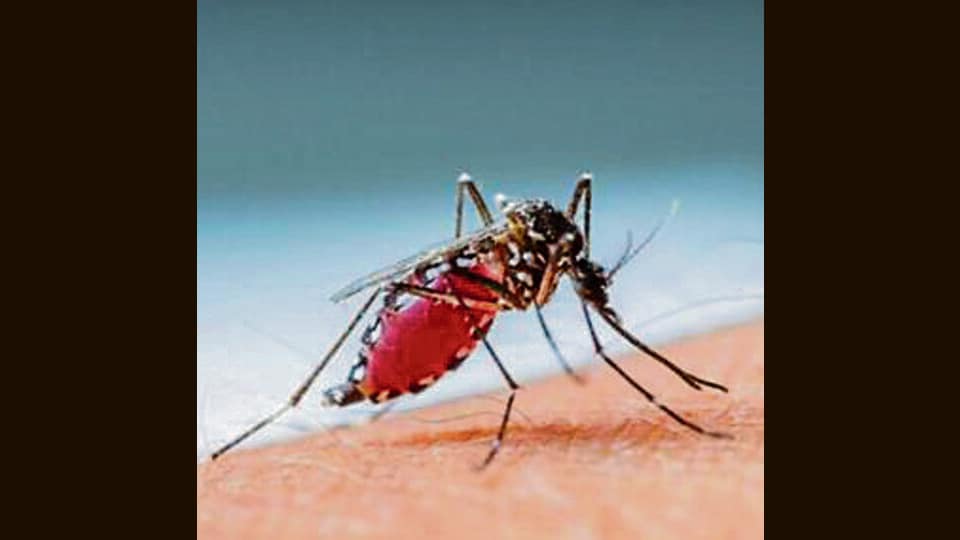
The data for this year shows that 17 cases were reported in September, with 16 cases reported in July. Dengue, a viral illness, is transmitted by the Aedes mosquito, which is known to breed in stagnant, clean water collected in various containers such as coolers, tires, and depressions in the ground.


